Top Solar Business Trends to Watch in 2026?
As we look toward 2026, the solar business landscape is set to evolve rapidly. Industry expert Dr. Emily Carter emphasizes, "Innovation in solar technology will redefine our energy paradigms." Her insights shed light on the upcoming trends shaping this dynamic field.
Emerging technologies, such as advanced photovoltaic cells and energy storage solutions, will dominate discussions. Companies are investing heavily in research and development. This shift aims to enhance efficiency and reduce costs. However, it's important to remain cautious about the sustainability of these technologies. Will they truly deliver the benefits we expect?
Another critical aspect involves government policies and market dynamics. Incentives for renewable energy continue to fluctuate, impacting investment decisions. It's uncertain how regulations will adapt to the fast-paced innovation in the solar business. The path forward is complex, urging stakeholders to stay informed and agile.
Emerging Technologies Shaping the Solar Industry Landscape in 2026
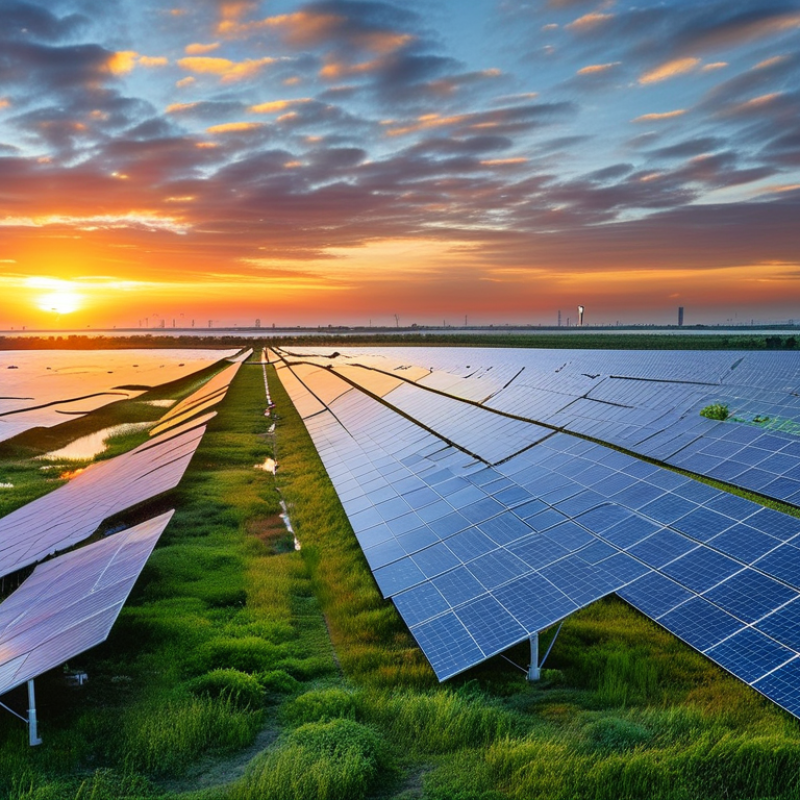
The solar industry is poised for significant transformation by 2026, driven by emerging technologies. One prominent trend is the advancement of photovoltaic materials.
According to a report from the International Energy Agency, the efficiency of solar panels is projected to exceed 30% through innovative materials, such as perovskites.
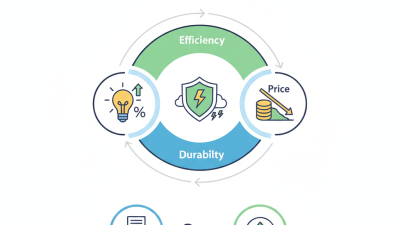
This could dramatically reduce the cost per watt, making solar power more accessible.
Energy storage solutions are also evolving. Battery technology is improving, with a forecasted market value of $50 billion by 2026, as noted by market analysts.
Solid-state batteries are gaining traction due to their higher energy density and safety over lithium-ion options.
This evolution makes storage systems more reliable, ensuring energy is available when sunlight is scarce.
Though these advancements are promising, challenges remain. Manufacturing processes for new materials can still be inefficient, leading to higher initial costs.
Moreover, the integration of these technologies into existing infrastructure can be complex.
Stakeholders must address these hurdles while fostering innovation to ensure a sustainable energy future.
The journey may be challenging, but the potential rewards in energy efficiency and environmental impact are substantial.
Increased Adoption of Solar Energy Storage Solutions Worldwide
The global shift towards renewable energy is evident, with solar energy taking the lead. One critical trend emerging is the increasing adoption of solar energy storage solutions. These systems allow users to store excess energy generated during the day for use at night or during cloudy weather. This capability enhances energy independence and reduces reliance on the grid.
As more households and businesses integrate solar systems, the demand for efficient storage options grows. Battery technologies are evolving rapidly, improving capacity and reducing costs. However, challenges persist. Many consumers are unsure about which storage solutions best meet their needs. Some worry about the lifespan of batteries and their environmental impact.
Investments in research and development are vital. Innovations are needed to enhance battery efficiency and recycling methods. Access to information is also crucial for consumers navigating the market. Knowledge gaps can lead to missed opportunities or poor decisions. Education and transparency will drive the adoption of solar storage solutions in the coming years.
Top Solar Business Trends to Watch in 2026
Increased Adoption of Solar Energy Storage Solutions Worldwide
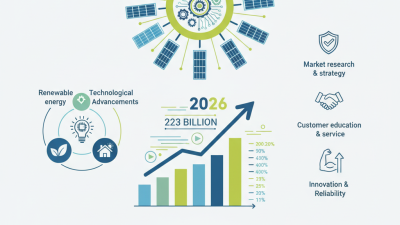
The chart above illustrates the projected growth in global solar energy storage installations from 2018 to 2026. As the adoption of renewable energy increases, the integration of energy storage solutions is becoming essential for enhancing solar energy reliability and efficiency.
Government Policies and Incentives Driving Solar Business Growth
Government policies play a critical role in shaping the solar business landscape. Recent data indicates that 80% of solar installations in the last five years benefited from government incentives. These policies range from tax credits to grants that reduce initial costs. According to a report by the Solar Energy Industries Association, the federal investment tax credit (ITC) alone has driven the installation of 46 gigawatts of solar power between 2016 and 2021.
In addition, many states are implementing renewable energy standards. These standards mandate that a certain percentage of the energy consumed must come from renewable sources. As of 2023, 30 states have adopted these policies, which significantly boost local solar markets. However, policy consistency varies drastically. In some regions, abrupt changes can create uncertainty, impacting investment decisions. This inconsistency highlights the need for long-term commitments from governments for sustainable growth.
The future of solar businesses in 2026 largely hinges on evolving policies. Continued support will be essential, especially as technology advances. Economies of scale from increased production can lower costs. However, ongoing uncertainty can stifle innovation and investment. Balancing incentives with regulatory stability will be key to nurturing a robust solar sector.
Sustainability Trends Influencing Solar Manufacturing Practices
As we look toward 2026, the solar manufacturing sector is evolving under the influence of sustainability trends. According to the International Energy Agency (IEA), global solar capacity is expected to reach 1,000 GW by 2026. This shift drives manufacturers to adopt sustainable practices in their production processes. The push for reduced carbon footprints is challenging many in the industry. By prioritizing green energy sources and recycling materials, companies can address these demands.
A report from the Solar Energy Industries Association (SEIA) highlights the rise in solar panel efficiency through innovative designs and materials. These advancements often come at a cost, leading to concerns over accessibility. Manufacturers must balance performance improvements with affordability. Integrating these solutions can be difficult, especially for smaller firms lacking resources.
Water usage in solar manufacturing has also come under scrutiny. The need for efficient water management is growing. The National Renewable Energy Laboratory (NREL) estimates that up to 40% of water use in solar production can be reduced with best practices. Adopting these methods remains a challenge for many. The industry faces the dual responsibility of boosting output while remaining environmentally conscious. The journey toward sustainability is complex, requiring reflection and continuous improvement.
Integration of Solar Power with Smart Grid Technologies
The integration of solar power with smart grid technologies is a promising trend for the future. In 2026, we expect to see more utilities using smart grids to enhance energy management. Smart grids allow for real-time data exchange between energy providers and consumers, making energy distribution more efficient. This adaptation can help optimize solar energy usage, balancing supply and demand seamlessly.
With increasing solar energy adoption, the need for resilient infrastructures becomes critical. Smart grids provide this resilience by incorporating advanced communication technologies. They enable better monitoring of solar generation and reduce outages. However, challenges remain. Cybersecurity risks rise as networks become more interconnected. Protection of sensitive data is crucial for both providers and consumers who rely on solar energy.
Consumer engagement is likely to increase alongside these technologies. Homeowners with solar panels can better track their energy usage through smart meters. This can lead to more informed decisions about energy consumption. Yet, not all consumers are tech-savvy. Education around these technologies will be necessary to ensure inclusivity. Balancing innovation with practicality will determine success in integrating solar power with smart grids.