How to Harness Solar Energy for Sustainable Living?
Harnessing solar energy offers a promising path toward sustainable living. With the rise of climate concerns, more people are exploring solar options. Solar energy is abundant and available almost everywhere. It reduces reliance on fossil fuels and lowers greenhouse gas emissions.
Integrating solar solutions into daily life can seem overwhelming. However, numerous resources and technologies are accessible today. From rooftop panels to solar water heaters, there are choices for every budget. Yet, each installation comes with its challenges. Understanding local regulations and possible costs is essential.
As we strive for a sustainable future, embracing solar energy demands commitment. Using this renewable resource can contribute significantly to environmental health. But it requires ongoing effort and education. We must stay informed about advancements in solar technologies to maximize our benefits. Reflecting on individual experiences and learning from others can enhance our journey toward sustainability.
Understanding Solar Energy and Its Benefits for Sustainable Living
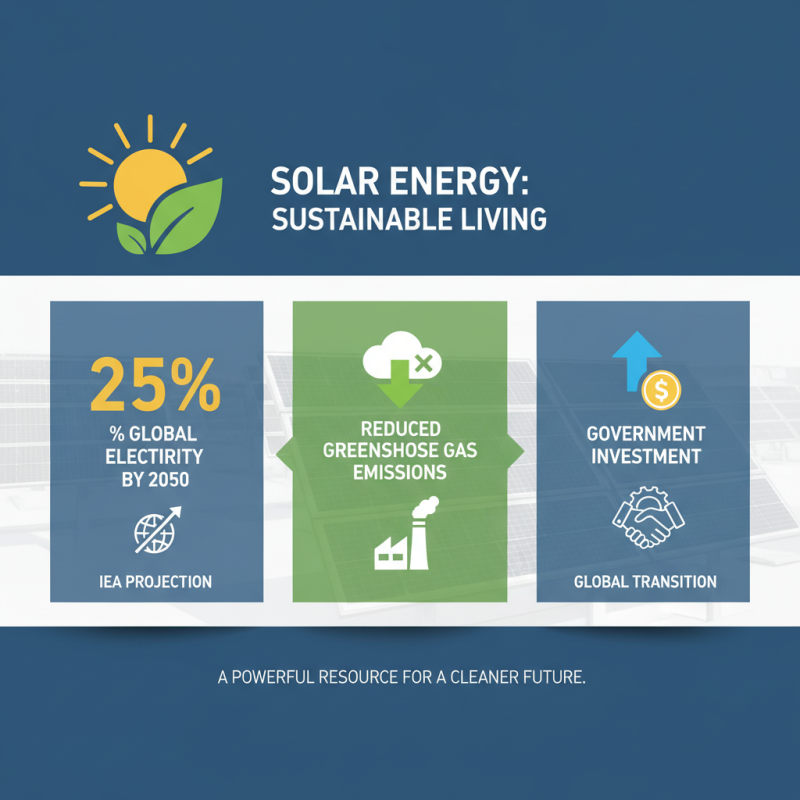
Solar energy is a powerful resource for sustainable living. According to the International Energy Agency, solar power could provide over 25% of global electricity by 2050. This transition can lead to a significant reduction in greenhouse gas emissions. Governments worldwide are acknowledging this potential and investing in solar technology.
Harnessing solar energy comes with benefits. It can lower energy bills by providing an alternative to fossil fuels. A study from the National Renewable Energy Laboratory shows that homeowners can save an average of $20,000 over 20 years by adopting solar power. However, the initial installation cost can be a barrier for some. The technology continues to evolve, but accessibility still remains an issue in many regions.
The environmental impact is profound. Solar panels generate clean energy, reducing reliance on coal and oil. In 2020 alone, solar helped avoid 113 million metric tons of carbon dioxide emissions in the U.S. Yet, the manufacturing and disposal of solar panels also raise concerns about waste and toxins. Sustainable practices in the solar industry are crucial to mitigate these effects. Keeping these complexities in mind can lead to better choices for individuals and communities seeking sustainable solutions.
Types of Solar Energy Systems: Photovoltaic vs. Solar Thermal
Solar energy is a key player in sustainable living. Understanding the types of systems available helps you make informed choices. The two main types of solar energy systems are photovoltaic (PV) and solar thermal.
Photovoltaic systems convert sunlight directly into electricity. The global solar PV capacity reached 1,000 gigawatts in 2022, according to the International Renewable Energy Agency. They are versatile and can be installed on rooftops or integrated into building designs. However, they depend heavily on direct sunlight. Efficiency can drop on cloudy days or at night, which is a consideration for many users.
Solar thermal systems use sunlight to heat a fluid. This heated fluid can be used for water heating or space heating, boasting efficiencies between 60-90%. The Department of Energy data indicates that solar thermal installations grew by 15% in recent years, highlighting increased interest. However, costs and space requirements can be limiting factors for some homeowners.
Tips: Consider your location's sunlight exposure before choosing a system. Evaluate your energy needs carefully; a combination of both systems may offer the best results. Also, stay informed on local incentives for renewable energy projects. This could save you money while contributing to a sustainable future.
How to Harness Solar Energy for Sustainable Living? - Types of Solar Energy Systems: Photovoltaic vs. Solar Thermal
| Type of Solar Energy System |
Description |
Efficiency |
Typical Applications |
Installation Costs (USD) |
| Photovoltaic (PV) |
Converts sunlight directly into electricity using solar cells. |
15-22% |
Residential, commercial, and utility-scale electricity generation. |
$10,000 - $30,000 |
| Solar Thermal |
Uses sunlight to heat a fluid that can be used for heating or electricity generation. |
30-50% |
Water heating, space heating, and industrial processes. |
$5,000 - $15,000 |
| Hybrid Systems |
Combines photovoltaic and solar thermal technologies to maximize energy output. |
Varies depending on components |
Comprehensive energy solutions for residential and commercial settings. |
$15,000 - $40,000 |
Steps to Install Solar Panels at Home for Green Energy
Installing solar panels at home is a great step toward sustainable living. Begin by assessing your roof’s suitability for solar power. Ideally, it should face south with minimal shade. Measure the area to determine how many panels you could fit. This will directly influence your energy output.
Before installation, research local regulations and incentives. Some areas offer rebates for solar panel installations. This can significantly reduce your costs. If you're unsure about the technical aspects, consider hiring a professional installer. They can guide you through the complexities of local requirements.
Tips: Always get multiple quotes to compare prices. Each installer may offer different solutions and expertise. Additionally, remember to check the warranty details for both panels and installation.
Once the panels are installed, monitor their performance regularly. This helps identify any issues early on. Note that not all days will produce equal energy due to weather changes. Understanding these variations will inform your energy usage decisions. Solar energy can be a reliable source, but it requires attention and adjustments over time to maximize benefits.
Integrating Solar Energy Solutions into Daily Life and Practices
Integrating solar energy into daily life can seem challenging. Many individuals feel overwhelmed by the technical aspects. However, even small changes can make a significant impact. Consider solar-powered lights for your garden or pathway. They provide illumination at night without adding to your electricity bill. Plus, they are easy to install and require no wiring.
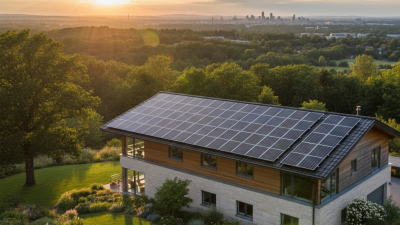
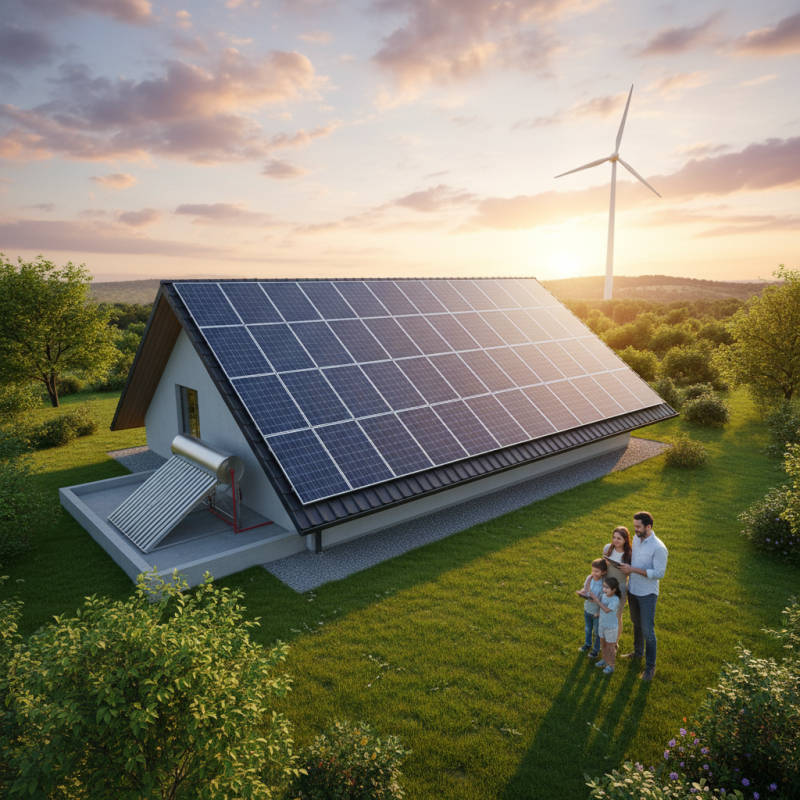
Solar panels on rooftops are another effective solution. They convert sunlight into electricity, reducing reliance on the grid. However, not every house may be suitable for solar panels. It's essential to assess your roof's orientation and shading. Many homeowners find themselves grappling with these limitations. The initial investment can be daunting for some. Researching government incentives can help ease the financial burden.
Adopting solar energy also involves mindset shifts about consumption. Reflecting on energy usage patterns can lead to more conscious choices. Use solar chargers for devices when possible. This initiates a sustainable habit that extends beyond personal consumption. Making small adjustments fosters a greater appreciation for solar technology. This journey is not always perfect, and challenges will arise. However, the efforts contribute to a healthier planet.
Harnessing Solar Energy for Sustainable Living
Government Incentives and Programs for Solar Energy Adoption
Government incentives play a crucial role in promoting solar energy adoption. Many countries offer tax credits, rebates, and grants to residents installing solar panels. These financial benefits can significantly reduce the initial costs of installation. For example, some programs can cover up to 30% of the installation costs, making solar energy more accessible.
Tips: Research local government programs. Some offers change frequently, so stay updated. Contact your local energy authority for detailed eligibility requirements.
In addition to financial incentives, some states offer net metering. This allows homeowners to sell excess energy back to the grid. It can offset monthly utility bills, enhancing the financial viability of solar energy. Community solar programs are also gaining popularity. They let individuals invest in large solar installations without needing to install panels on their properties.
Tips: Look into community solar options if installation is not feasible. It’s a smart way to support renewable energy without the hassle of maintenance. Remember, participating in these programs reflects a commitment to sustainability. It not only reduces carbon footprint but also fosters a cleaner environment for future generations.