Simple Solar Tips for Cost Effective Energy Solutions?
In the rapidly evolving field of renewable energy, "simple solar" solutions have emerged as effective options for households and businesses alike. Experts agree that simplicity is key. As Dr. Emily Hartman, a renowned solar energy specialist, states, “The easiest adjustments can lead to significant savings.” This highlights the potential of straightforward solar strategies that anyone can adopt.
Solar energy does not need to be complicated. Homeowners can begin with basic installations like solar water heaters or solar outdoor lights. These small steps often yield impressive reductions in energy costs. However, many people overlook these options. They may seek complex systems instead, missing out on simpler, more affordable solutions.
Understanding the right "simple solar" approach can sometimes feel overwhelming. Yet, it is essential to take those initial steps. Every small change can contribute to a more sustainable future. By focusing on simple, effective solutions, we can all play a role in reducing energy expenses while promoting environmental responsibility.
Understanding the Basics of Solar Energy Systems
Solar energy systems are becoming increasingly vital for sustainable living. Understanding their basics can empower homeowners to make informed decisions. A report by the International Energy Agency states that solar power generation could grow by more than 20% annually in the coming years. This signifies a shift in how we view energy solutions.
One essential tip is to analyze your energy consumption. Knowing how much energy you use will guide your solar system's size. A home with high energy usage may need a larger array for efficiency. Another point to consider is the orientation of your solar panels. Placing them correctly can maximize energy capture. Studies show that a south-facing installation can enhance performance by up to 30%.
Furthermore, financing options are crucial. Many homeowners are unaware of available incentives. Government programs often provide rebates or tax credits for solar installations. Keeping an eye on these can lower upfront costs. These elements collectively enrich your understanding and enable smarter energy choices.
Evaluating Your Home's Solar Energy Potential
Evaluating your home's solar energy potential is a crucial first step. Start by assessing your location. Homes in sunny areas get more energy from solar panels. Check your roof's orientation and angle. South-facing roofs generally provide the best results. Consider roof age, too. An old roof may need repairs before installation.
Next, observe the shade. Trees, buildings, or other structures can block sunlight. Even partial shading can reduce energy output. Use tools like solar calculators for a quick estimate. These can help you visualize potential energy savings and installation costs.
Finally, think about your energy needs. Analyze past utility bills to understand consumption patterns. Are you heavy on electricity or just moderate? This analysis will guide your system size. Balancing efficiency with your home's capacity is key.
Choosing Cost-Effective Solar Panels and Equipment
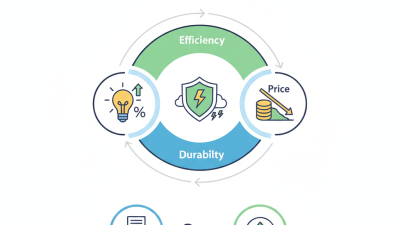
When choosing cost-effective solar panels and equipment, it’s essential to focus on efficiency and longevity. A report from the National Renewable Energy Laboratory indicates that solar panels have improved their efficiency by nearly 20% over the last decade. This efficiency translates into more energy produced for less space. Consider panels that have high ratings in real-world conditions and offer robust warranties. The ideal choice often lies in balancing upfront costs with potential savings over time.
Quality in solar inverters is equally crucial. According to a study by PV Tech, inverters can account for up to 30% of a system’s overall costs. Investing in well-rated inverters can significantly boost long-term savings. It's worth noting that some inexpensive options may lead to higher maintenance costs. This factor should not be overlooked when evaluating equipment.
Energy storage solutions are also part of the equation. Reports estimate that proper storage can enhance energy independence and protect against rising utility rates. However, some cheaper batteries may not last as long as expected. It’s vital to analyze the total lifecycle costs, rather than just the initial investment. Always contemplate the trade-offs of lower prices against durability and reliability.
Implementing Simple Solar Energy Solutions for Homes
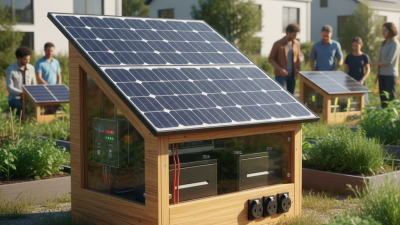
Implementing simple solar energy solutions for homes can significantly reduce energy costs. Solar panels are an excellent way to harness sunlight. They convert sunlight into electricity, which can power your home. Many homeowners start small, installing a few panels on their rooftops. This approach allows gradual scaling as budgets permit.
Here are some effective tips. First, assess your home’s energy needs. Calculate your average energy consumption. Next, consider the available roof space. Make sure it receives adequate sunlight throughout the day. This will enhance solar panel efficiency. Lastly, look for local incentives. Many regions offer tax credits or rebates for solar installations.
Engaging with your community can also amplify solar benefits. Sharing resources and experiences creates a support network. Some homeowners find it beneficial to join groups or forums. Discussions often tackle challenges faced when going solar. Simple solutions, like cleaning solar panels regularly, can improve their effectiveness. Remember, transitioning to solar is a journey, not a race. Each step helps in optimizing your home’s energy efficiency.
Simple Solar Tips for Cost Effective Energy Solutions
| Tip |
Description |
Estimated Savings |
Installation Complexity |
| Use Solar Lanterns |
Replace traditional outdoor lights with solar-powered lanterns to reduce electricity costs. |
Up to $120 per year |
Low |
| Install Solar Panels |
Use solar panels on rooftops to generate electricity for your home. |
Up to $1,400 per year |
High |
| Solar Water Heating |
Use solar thermal collectors to heat water for domestic use. |
Up to $600 per year |
Medium |
| Solar Attic Ventilation |
Install solar-powered attic vents to reduce cooling costs in summer. |
Up to $300 per year |
Low |
Maximizing Savings with Solar Incentives and Rebates
When considering solar energy, federal and state incentives play a critical role in reducing costs. Many homeowners often miss out on these opportunities. It's essential to research available rebates and tax credits in your area. Knowledge of these incentives can significantly lower your upfront investment.
Applying for solar incentives can seem daunting. In some cases, the paperwork is complex. Choose a reliable source or local expert to guide you through the process. Community organizations sometimes offer workshops to simplify this journey. Getting help can save you both time and money in the long run.
Once you navigate the incentives, the savings become apparent. Your energy bills can drop substantially. This enables you to reinvest in your home or other endeavors. Every dollar saved is a step toward sustainability and energy independence. Many people are already benefiting from these options, and you can too.
Simple Solar Tips for Cost Effective Energy Solutions
This bar chart illustrates the potential savings generated by using solar energy solutions in different states, considering various incentives and rebates available.