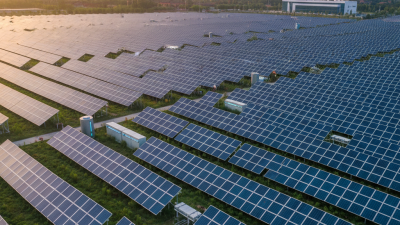
Why Are Solar Plants a Smart Investment for Buyers?

A solar plant can be an attractive investment for buyers seeking long-term electricity revenue and exposure to renewable energy. Its appeal is tangible: rows of panels convert daylight into power, while a well-designed project can sell electricity through a contract or market arrangements. But sunlight alone does not make a project profitable. Not automatically.

Buyers need to examine the details behind the forecast. These include the site’s solar resource, grid connection capacity, equipment condition, land rights, operating costs, and the terms of any power purchase agreement. A production estimate should account for seasonal variation, panel degradation, downtime, and possible curtailment. The numbers matter. So does who prepared them. Independent technical and financial reviews can help verify assumptions before a buyer commits capital.

A project’s value also depends on financing, insurance, maintenance plans, and the reliability of its revenue structure. Even strong projects face uncertainty: interest rates can change, equipment may underperform, and market prices may differ from projections. Buyers should compare expected returns with these risks rather than rely on headline capacity or optimistic sales materials. This assessment can feel less exciting than the technology itself, and some uncertainty remains even after careful review. That is worth admitting. With credible data, qualified advisers, and realistic expectations, buyers can judge whether a solar plant fits their investment goals and risk tolerance.
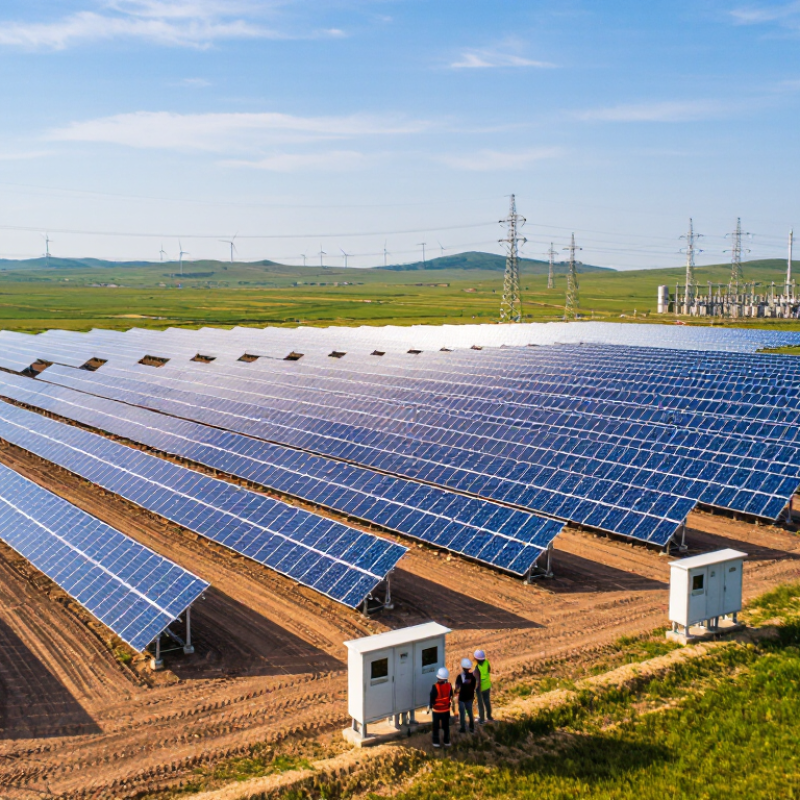
Why Are Solar Plants a Smart Investment for Buyers?

What a Solar Plant Is and How Its Assets Are Structured

A solar plant is a working asset, not simply a field of panels. Its structure often includes a project company that holds the equipment, land rights, grid connection, permits, and power-sale agreements. Buyers may acquire the company’s shares or selected assets, so the distinction matters: debt, contracts, and maintenance obligations can transfer differently. Not just panels. Review the revenue contract, inverter warranties, module degradation assumptions, operating records, and expected replacement costs.

IRENA’s Renewable Power Generation Costs in 2023 reported a global weighted-average utility-scale solar cost of USD 0.044 per kilowatt-hour, 12% lower than in 2022. It also found that solar’s cost was 56% below fossil-fuel alternatives. These figures describe broad project economics, not a guarantee of returns for any individual plant. Details matter. A buyer should test the plant’s actual output against weather data, grid curtailment, and the terms of its power contract. A tidy data room can still conceal a messy handover; equipment condition and unresolved maintenance work deserve close attention.

How Solar Plants Generate Revenue for Buyers

A solar plant can earn revenue by selling electricity to a utility, business, or other buyer under a power purchase agreement. The contract may set a price per kilowatt-hour for a defined period, making income easier to estimate. Some plants sell electricity at market prices instead, which can bring higher returns during peak demand but greater volatility. The actual income depends on sunlight, equipment performance, grid access, and contract terms. A cloudy week can change the numbers.

Buyers may also receive payments for renewable energy certificates or similar environmental attributes, where local markets and rules allow. These should be treated as potential income, not a certainty. Operating costs matter just as much: panels need inspection, inverters may require replacement, and land, insurance, and grid charges reduce cash flow. Curtailment can limit sales when the grid cannot accept all available power. That matters. Before investing, buyers should review independent energy-yield estimates, maintenance plans, and the seller’s production records. A spreadsheet is useful, but it cannot remove uncertainty. Even a well-built plant may earn less than projected if output, prices, or operating costs shift. Buyers should test conservative scenarios, not only the sunny one.

Which Factors Shape a Solar Plant’s Investment Value

A solar plant’s investment value depends on more than its panel count. Sunlight matters, but so do land conditions, grid access, and the cost of connecting to the network. A site with strong sunlight may still underperform if the grid cannot accept its output reliably. Check long-term weather data, not just a sunny site visit. One bright afternoon proves very little.

Tips: Compare expected generation with conservative estimates. Ask how shading, equipment downtime, and grid restrictions affect revenue. Review maintenance budgets and the assumptions behind them.

Power purchase terms, operating costs, and financing shape returns over time. A stable buyer and clear payment terms can reduce revenue uncertainty, though they do not remove risk. Review equipment warranties, projected panel degradation, and replacement plans. Also consider whether local energy prices could change the plant’s value. Forecasts are useful, but they are not promises. Small assumptions can move the numbers. I may be missing a site-specific constraint, so independent technical and financial reviews are worth the effort before committing capital.

Why Are Solar Plants a Smart Investment for Buyers? — Which Factors Shape a Solar Plant’s Investment Value?

Investment factor Indicative benchmark Why it matters to buyers
Installed project cost Utility-scale solar PV projects can vary widely; an illustrative range is approximately US$0.70–$1.50 per watt-DC, before project-specific adjustments. Compare like-for-like costs, including development, equipment, construction, grid connection, land, taxes, and any storage. Local labor and permitting can materially change the total.
Solar resource and capacity factor Many utility-scale PV projects fall roughly within an 18%–30% capacity-factor range, depending on location, tracking, system design, and weather. Higher annual generation can improve revenue and asset value. Buyers should review long-term resource assessments and modeled energy production, not just installed capacity.
Revenue contract Power purchase agreements commonly have terms of about 10–25 years, although contract structures and durations vary by market. A creditworthy buyer and clear pricing terms can make cash flows more predictable. Check contract duration, price escalation, volume obligations, and termination provisions.
Operating life Solar plants are commonly designed for operating periods of approximately 25–35 years, subject to equipment condition and maintenance. A longer usable life can provide additional years of generation after initial financing or contract periods end. Account for inverter replacement and other major maintenance.
Module degradation A commonly used planning range for annual module power degradation is approximately 0.3%–0.8%; actual rates depend on technology, climate, and warranty terms. Degradation affects forecast generation and long-term revenue. Review independent energy-yield estimates, product warranties, and the assumptions used in financial models.
Operations and maintenance Illustrative utility-scale PV O&M budgets are often modeled at roughly US$15–$30 per kW-DC per year, with local costs varying. Reliable maintenance supports availability and output. Assess service scope, monitoring, vegetation control, cleaning needs, insurance, and expected component replacements.
Grid access and curtailment No single curtailment rate applies across markets; congestion, grid rules, and local generation patterns determine the project-specific exposure. Interconnection costs, upgrade obligations, export limits, and curtailment risk can reduce usable generation and returns. Review grid studies and connection agreements carefully.
Land and site suitability A rough planning range for utility-scale PV is about 4–8 acres per MW-DC; terrain, setbacks, layout, and environmental constraints affect land needs. Secure land rights and suitable topography can reduce development risk. Check lease or ownership terms, drainage, access, environmental approvals, and competing land uses.
Financing and policy conditions Debt costs, tax treatment, incentives, and permitting requirements differ by country, state, and project structure. Financing terms and policy stability influence the cost of capital and expected returns. Validate eligibility, timing, compliance requirements, and sensitivity to interest rates.
Buyer due diligence Key review areas include permits, land rights, grid agreements, equipment documentation, construction status, operating records, and independent generation forecasts. Thorough technical, legal, commercial, and financial reviews help identify hidden liabilities and test whether projected cash flows are realistic.

Note: Figures are indicative planning ranges, not guaranteed project outcomes. Actual investment value depends on location, market rules, system design, financing, contract terms, and site-specific due diligence.

What Risks Buyers Should Assess Before Investing

A solar plant’s projected returns depend on more than sunny weather. Buyers should compare expected output with independent production estimates, including seasonal variation and periods of heavy cloud. Small errors in these estimates can affect revenue for years. Check how the forecast accounts for panel degradation, shading, dust, and equipment downtime.

Inspect the site and its operating records. Ask for maintenance logs, inverter replacement history, and evidence that repairs were completed properly. Look closely at grid connection limits: a plant may produce power that cannot always be delivered. Review land access, water needs for cleaning, drainage, and exposure to flooding or wildfire. These details can be easy to underestimate.

Revenue assumptions deserve equal scrutiny. Confirm whether power prices are fixed, indexed, or tied to changing market conditions, and test lower-price scenarios. Read contracts for payment terms, curtailment provisions, and responsibilities when equipment fails. Check that insurance limits match realistic repair and interruption costs. The paperwork can feel tedious. Still, one unclear clause may matter more than a polished return forecast. I would also question unusually optimistic maintenance budgets; they often look neat on a spreadsheet, but actual service needs rarely do.

How to Evaluate and Acquire a Solar Plant Successfully

A solar plant can look attractive on a spreadsheet, but acquisition depends on whether its output, contracts, and equipment hold up under scrutiny. IRENA’s Renewable Power Generation Costs in 2023 report found that utility-scale solar’s global weighted-average generation cost fell 12% to $0.044 per kilowatt-hour. That figure is useful context, not a promise of returns at any specific site.

Start with operating records, not sales projections. Compare at least three years of meter data with weather conditions, outages, curtailment, and the plant’s modeled output. A 2013 review by NREL researchers examined nearly 2,000 published photovoltaic degradation rates and found a median of about 0.5% per year. Check whether actual panel performance matches that assumption. Small gaps matter. Inspect the site.

Review inverter replacement schedules, maintenance logs, insurance history, land rights, grid-connection terms, and power-sale contracts. Ask an independent engineer to inspect cracked modules, cable routes, drainage, and transformer condition. Verify permits and contract obligations with qualified advisers before signing. A model is not a forecast. I would still leave room for doubt: one unusually sunny year can make a weak asset look healthier than it is.