China Best Solar Market Trends and Innovations in Renewable Energy?
The solar market in China has witnessed rapid growth, emerging as a global leader in renewable energy. Recent reports indicate that China accounted for 50% of the world's solar capacity by 2022. This remarkable expansion is primarily driven by government policies promoting clean energy and significant investments in solar technology.
Innovations in solar panels and energy storage systems are reshaping this market. For instance, the efficiency of solar panels has increased from 15% a decade ago to over 22% today. Emerging technologies, such as bifacial panels, enable capturing sunlight from both sides, further enhancing energy output. However, the rapid pace of growth also raises questions about sustainability and resource management. The manufacturing process relies heavily on raw materials, which could lead to environmental challenges.
The Chinese solar market is not without its hurdles. Policy inconsistencies and trade disputes have created uncertainties for investors. Despite these challenges, the potential for further advancements remains. The focus on solar energy aligns with global efforts to combat climate change, signaling a promising future for renewable energy in China.
Current State of China's Solar Market and Its Growth Trends
China's solar market has seen significant growth in recent years. Government initiatives have fueled this expansion. Policies promote investment in renewable energy, leading to a surge in solar installations. More homes and businesses now adopt solar energy. This shift is crucial for sustainability.
The demand for solar technology is rising. Innovations in photovoltaic (PV) systems improve efficiency and affordability. As technology advances, costs continue to drop. Despite this progress, challenges remain. Supply chain issues can affect production. Moreover, not all regions have equal access to solar resources, hindering uniform growth.
Public awareness is also growing. Many citizens recognize the benefits of solar power. Education on renewable energy sources is becoming essential. However, misinformation still poses challenges. Clear, accurate information is needed to guide consumers. Increasing engagement can help drive further acceptance of solar initiatives.
Key Innovations in China's Renewable Energy Technologies
China is rapidly advancing in renewable energy technologies, particularly in solar energy. Innovative approaches are emerging that focus on efficiency and sustainability. Solar panels are becoming more efficient, with new materials enhancing their energy conversion rates. For instance, perovskite solar cells are a game-changer, promising lower production costs and greater efficiency compared to traditional silicon cells.
Moreover, energy storage solutions are critical in this landscape. Innovative battery technologies are being developed to store solar energy effectively. These advancements allow for better energy management, especially when sunlight is not available. However, challenges remain in scaling these technologies for widespread use. The lifecycle impacts of production and disposal must also be addressed to ensure true sustainability.
China's commitment to research and development is noteworthy, fueling a wave of innovations. Yet, there is room for improvement in integrating these technologies into existing infrastructure. Regulatory frameworks could lag behind the pace of innovation. Collaboration between government and industry will be essential for overcoming these obstacles and achieving a more sustainable energy future.
Government Policies Supporting Solar Energy Development in China
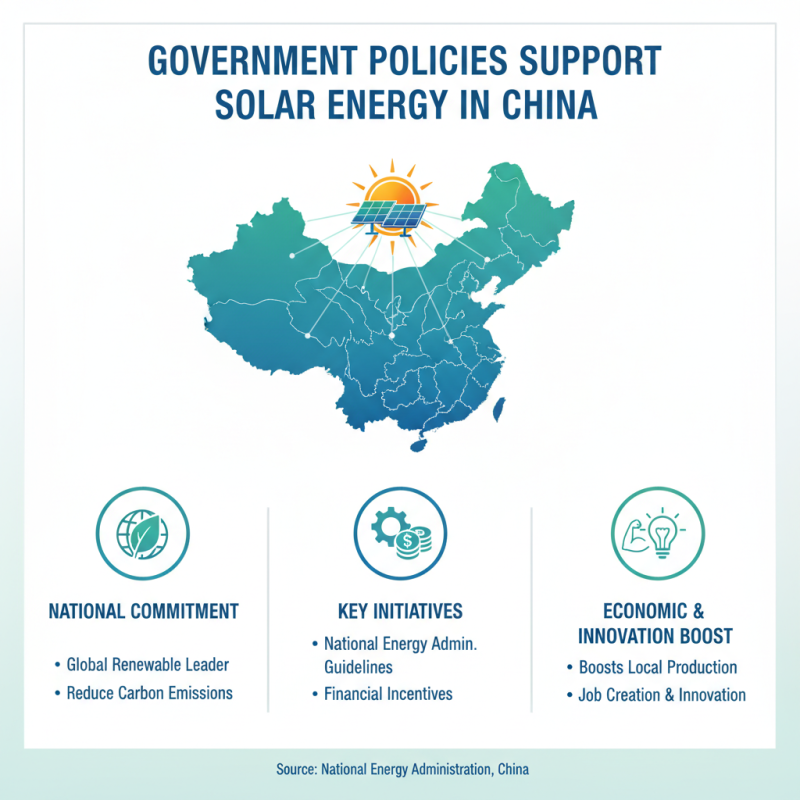
China's commitment to solar energy has been significantly bolstered by robust government policies. The country aims to be a leader in renewable energy, focusing on reducing carbon emissions. Initiatives such as the National Energy Administration's guidelines and financial incentives encourage local production of solar panels. This not only supports job creation but also stimulates innovation.
In recent years, the government introduced feed-in tariffs, which ensure predictable returns for investors. This fosters confidence in the solar sector. Moreover, subsidies for residential solar installations have made this clean energy source more accessible. However, challenges remain. The rapid expansion has led to concerns about the sustainability of supply chains and the environmental impact of solar panel production. These issues highlight the need for more balanced policies.
Lastly, while China's solar market is growing rapidly, there are lessons to be learned. The focus should not only be on quantity but also on quality and sustainability. Improving recycling methods for old solar panels is crucial. Effective policies should address both expansion and environmental conservation, ensuring that the growth of solar energy is truly beneficial.
Challenges Facing the Solar Market and Future Opportunities
The solar market in China is evolving rapidly, revealing both challenges and opportunities. According to a report from the China Photovoltaic Industry Association, solar power capacity reached over 300 GW by mid-2023. However, the market faces significant hurdles. Supply chain disruptions and rising material costs have made it difficult for manufacturers. There is pressure on margins, impacting profitability. Furthermore, local regulations vary greatly, creating confusion in compliance.
Despite these challenges, opportunities exist for innovation. The adoption of bifacial solar panels and energy storage systems is on the rise. A report from the International Energy Agency noted that the efficiency of photovoltaic systems is projected to improve by 18% in the next five years. Additionally, integration with smart grid technology can enhance energy management. However, market saturation poses risks for growth. New players must innovate to compete and capture market share.
The need for skilled labor in the solar sector is crucial. Training and education can bolster industry resilience. As the market continues to mature, companies must adapt to changing policies and consumer demands. A flexible approach could navigate the uncertainties ahead, transforming challenges into pathways for growth.
China Best Solar Market Trends and Innovations in Renewable Energy
| Dimension |
2023 Data |
2024 Projection |
Challenges |
Opportunities |
| Total Solar Capacity (GW) |
400 |
450 |
Supply chain disruptions |
Government incentives |
| New Installations (GW) |
70 |
80 |
Regulatory hurdles |
Technological advancements |
| Market Growth Rate (%) |
15 |
18 |
Market saturation |
Emerging markets |
| Investment (Billion USD) |
120 |
150 |
Economic uncertainty |
International partnerships |
| R&D Spending (Million USD) |
2000 |
2500 |
Talent acquisition |
Innovative technologies |
Case Studies of Successful Solar Projects in China
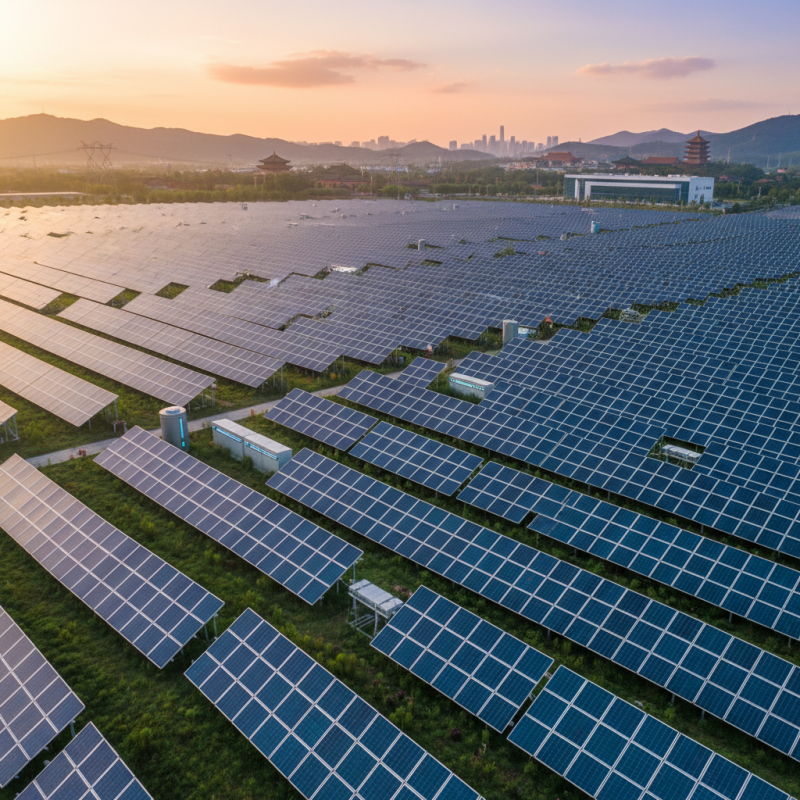
China has become a leader in solar energy projects, with various successful case studies highlighting its innovative approaches. One exemplary project is the solar farm in Datong, Shanxi province. It integrates solar panels into a former coal mine, demonstrating an effective use of renewable resources. The project not only generates power but also revives the local economy by creating jobs and promoting ecological restoration.
Another noteworthy example is the Qinghai Solar Park. This large-scale operation harnesses the region's high solar exposure. It produces enough electricity to power millions of homes. The park also reflects China's commitment to reducing carbon emissions. Local communities have benefited, gaining access to cheaper energy and improved infrastructure.
Tips: Consider local resources before starting a project. Assess the solar potential in your area. Collaborate with local businesses for better outcomes. Addressing environmental impacts early can lead to smoother implementation. Balancing innovation with community needs ensures project sustainability.