Top Solar Technology Innovations to Watch in 2026?
As we look toward 2026, the landscape of solar technology is rapidly evolving. New innovations are set to transform how we harness and utilize solar energy. With climate change concerns intensifying, the demand for cleaner energy solutions is higher than ever. This creates exciting opportunities for advancements in solar technology.
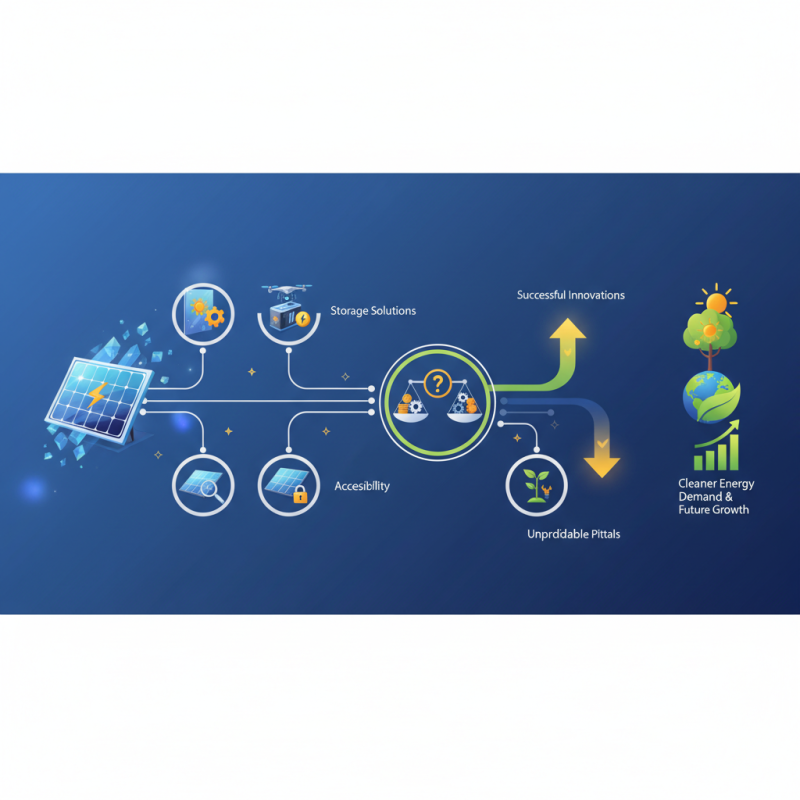
Researchers and companies are focused on enhancing efficiency and storage solutions. These efforts aim to make solar panels more accessible and effective. However, challenges remain. Not every innovation will succeed, and funding often limits progress. Reality checks are essential in the quest for reliable solar solutions. Many promising technologies may not meet commercial viability.
In this exciting era, experts emphasize the importance of continued investment and research. Monitoring emerging trends will be crucial. Adopting a critical perspective on new technologies will help identify the most impactful innovations. As we delve into groundbreaking advancements, we must remain aware of potential pitfalls. The solar technology sector is both promising and unpredictable.
Emerging Solar Panel Technologies Expected to Dominate in 2026
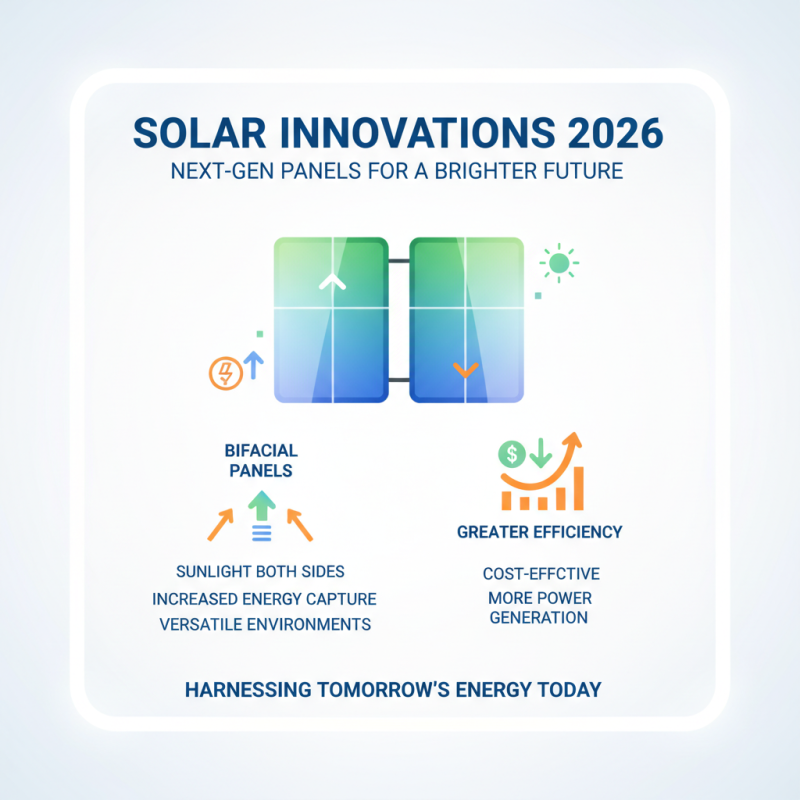
Emerging solar panel technologies are poised to make waves by 2026. These innovations promise greater efficiency and cost-effectiveness. One noteworthy trend involves bifacial solar panels. Bifacial panels harness sunlight from both sides, enhancing energy capture. This allows for greater electricity generation in a variety of environments.
Another area gaining traction is perovskite solar cells. These cells have undergone significant research, showing immense potential. They can be produced with less energy and at a lower cost. Their adaptability makes them suitable for diverse applications, from buildings to mobile devices. However, durability remains a challenge, which researchers are actively addressing.
The move towards transparent solar technologies is also intriguing. This innovation could transform windows into power-generating surfaces. Imagine skyscrapers producing their own energy while maintaining aesthetic appeal. Yet, transparency often comes with a trade-off in efficiency. Finding the right balance will be crucial for widespread adoption. As these technologies evolve, keeping a close eye on their performance and reliability will be key.
Breakthroughs in Solar Energy Storage Solutions for Future Applications
As we look towards 2026, advancements in solar energy storage solutions are critical. Efficient storage systems will make solar power more reliable and accessible. The integration of innovative technologies, such as advanced battery systems and thermal storage, promises significant improvements.
New types of batteries are expected to emerge. These include lithium-sulfur and solid-state batteries. They aim to offer higher energy densities and longer lifespans. However, challenges remain. Scaling production and ensuring safety are ongoing concerns. Many experts are focused on overcoming these barriers.
Thermal energy storage is another area of exploration. Technologies that use molten salts or phase change materials hold promise. They can store excess solar energy for later use. This approach allows for continuous energy access, even after sunset. Still, questions linger about efficiency and cost. Researchers must address these issues for widespread adoption. The future of solar energy storage is bright, but hurdles remain.
Top Solar Technology Innovations to Watch in 2026
| Innovation Type |
Description |
Expected Impact |
Development Stage |
| Advanced Solar Cells |
Utilizing perovskite materials to enhance efficiency and reduce production costs. |
Potentially 30% more efficient than traditional silicon cells. |
Prototype Testing |
| Solar Energy Storage |
New lithium-sulfur batteries that offer higher energy density and longevity. |
Greater capacity for storing solar energy, enabling 24/7 usage. |
Commercialization Stage |
| Bifacial Solar Panels |
Panels that capture sunlight on both sides, increasing overall energy yield. |
Up to 20% more energy production compared to traditional panels. |
Pilot Projects |
| Integrated PV Systems |
Solar cells integrated into building materials such as windows and roofs. |
Reduction in reliance on traditional energy sources for buildings. |
Research Phase |
| AI-Optimized Solar Forecasting |
Utilizing AI algorithms to predict solar output and optimize energy distribution. |
Improvement in grid stability and efficiency. |
Implementation Stage |
Innovations in Solar Inverter Technology and Their Impact on Efficiency
Innovations in solar inverter technology are shaping the future of solar energy. Inverters are crucial for converting direct current (DC) from solar panels into alternating current (AC) for household use. New advancements are improving efficiency rates significantly, which is exciting for both consumers and producers.
Smart inverters are at the forefront of this technological shift. They can communicate with smart grids, allowing for better energy management. This feature not only enhances energy efficiency but also prevents grid overload during peak usage. However, there are still challenges. For example, integration with existing infrastructure can be complex. Not all areas have the necessary grid capabilities yet.
Moreover, the introduction of advanced algorithms has optimized inverter performance. These algorithms can adjust energy output based on real-time conditions, such as sunlight intensity. While these innovations are promising, they can also be costly. Many consumers may hesitate to upgrade their systems due to high initial investments. This is a critical aspect that the industry must address for widespread adoption.
Top Solar Technology Innovations to Watch in 2026
This chart illustrates the projected efficiency improvements in solar inverter technology innovations from 2023 to 2026. The data indicates significant advancements in efficiency percentages based on various technological enhancements.
Trends in Bifacial Solar Panels: Design and Performance Advantages
Bifacial solar panels are gaining traction due to their efficiency and innovative design. Unlike traditional panels, they can capture sunlight on both sides. This unique feature allows for greater energy generation, even in shaded conditions. According to recent industry reports, bifacial panels can boost energy output by 10% to 30% compared to their monofacial counterparts. This efficiency gain is driving interest among both residential and commercial users.
The design of bifacial solar technology is evolving. Many panels now use a transparent back sheet rather than a solid backing. This not only enhances aesthetics but also allows for increased light capture from reflected surfaces. Installations placed on reflective grounds, like white rooftops or light-colored surfaces, further amplify this benefit. Meanwhile, challenges remain. The additional cost and complexity of installing bifacial systems can be a deterrent for some.
Moreover, the performance of bifacial panels can vary significantly based on location. Factors such as geographic position and local weather conditions greatly influence their efficiency. Industry data highlights that, in regions with high albedo, bifacial panels outperform traditional models substantially. As the technology matures, further research is crucial. Developers need to focus on optimizing designs while addressing these performance variables. The potential is great, but so are the hurdles ahead.
The Role of AI and IoT in Advancing Solar Power Management Systems
The integration of Artificial Intelligence (AI) and the Internet of Things (IoT) is set to transform solar power management systems significantly. According to a report by the International Renewable Energy Agency, AI can enhance the efficiency of solar energy production by up to 20%. Sensors connected through IoT enable real-time monitoring of solar panels, automatically adjusting their position for maximum sunlight exposure. This interconnected approach can lead to significant energy savings.
Data analytics plays a critical role in this evolution. Solar farms equipped with AI-driven analytics can predict energy output and detect maintenance issues before they escalate. A study from the Solar Energy Industries Association indicated that predictive analytics could reduce operational costs by nearly 30%. However, the dependence on technology raises questions about cybersecurity risks. As solar installations become more connected, protecting data from potential breaches becomes crucial.
Moreover, not all advancements have met expectations. Some solar systems still face inefficiencies due to outdated hardware that limits the benefits of AI and IoT. A deeper integration of these technologies is essential to unlock their full potential. As the solar industry evolves, ongoing investment in research and development remains pivotal for overcoming these challenges.