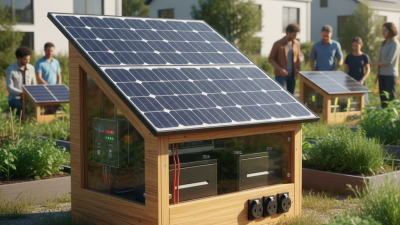
Better Solar Solutions for 2026 Top Energy Needs?
The quest for energy solutions is intensifying as the world eyes 2026. An increasing number of stakeholders are advocating for better solar options. Solar energy stands out as a prominent contender. It offers cleaner alternatives and the potential for substantial cost savings.
Innovative technologies in solar power aim to enhance efficiency and accessibility. Yet, challenges remain in scaling these solutions to meet global demands. Not all solar solutions are created equal, and we must scrutinize their effectiveness. This reflection on existing technologies is vital for progress.
As we pursue better solar solutions, the need for collaboration and investment grows. Policymakers, engineers, and businesses must come together. Their collective expertise can foster advancements that will truly revolutionize energy production. What steps are necessary to make better solar a reality by 2026? The answers we find today could shape the energy landscape for generations to come.
Advancements in Solar Technology for Meeting Future Energy Demands
Solar energy is poised for significant advancements by 2026. Experts project solar power will contribute to 30% of the global energy mix. This shift is critical, particularly as world energy demand surges, driven by population growth and urbanization. The International Renewable Energy Agency (IRENA) emphasizes the urgency of innovative solar technologies.
New materials like perovskite cells promise to enhance efficiency. These cells have shown potential to exceed 30% efficiency in lab settings. With improved manufacturing processes, costs could decrease as availability increases. Current solar panels convert only about 15-20% of sunlight into energy, hindering widespread adoption. Faulty installations and efficiency myths still challenge user confidence.
Energy storage technologies are also evolving. Efficient batteries can store solar energy for use when sunlight is scarce. The U.S. Department of Energy reveals that investing in solar-plus-storage systems can lower energy bills by up to 30%. However, high initial costs and limited lifespan remain concerns that need addressing. Balancing innovation and usability will be crucial for meeting future energy demands effectively.
Better Solar Solutions for 2026 Top Energy Needs? - Advancements in Solar Technology for Meeting Future Energy Demands
| Technology Type |
Efficiency (%) |
Cost per Watt ($) |
Estimated Energy Production (kWh/year) |
Lifespan (Years) |
| Monocrystalline |
20-24 |
0.50 |
3500 |
25 |
| Polycrystalline |
15-20 |
0.40 |
3000 |
25 |
| Thin Film |
10-12 |
0.30 |
2500 |
20 |
| Bifacial |
18-22 |
0.60 |
3600 |
30 |
Key Factors Driving Solar Energy Adoption by 2026
As we look toward 2026, the shift to solar energy is gaining momentum. Climate change concerns are rising, prompting governments to take action. Many countries are investing in solar technologies. This trend is not merely driven by environmental needs. It reflects a growing desire for energy independence. Solar power can help reduce reliance on fossil fuels.
Technological advancements play a crucial role. Efficiency improvements in solar panels are making solar energy more viable. Battery storage solutions are also evolving. These developments enhance energy reliability and reduce costs. However, challenges remain. Manufacturing processes have environmental impacts. Recycling solar panels is still not fully efficient. As adoption increases, these concerns must be addressed.
Policy incentives are pivotal in this shift. Governments are offering tax credits and rebates. They are also promoting renewable energy standards. Public awareness campaigns are changing perceptions about solar energy. However, misinformation persists. Some people still doubt solar's long-term viability. Building trust will be essential for widespread adoption. Efforts must continue to ensure that solar energy becomes a mainstay in future energy strategies.
Comparative Analysis of Solar Solutions: Efficiency and Cost-Effectiveness
As solar technology advances, efficiency and cost-effectiveness remain paramount. In 2026, these factors will shape the energy landscape. Solar panels convert sunlight into electricity through photovoltaic (PV) cells. New materials promise higher efficiency rates. Yet, the upfront costs can still be prohibitive for many homeowners and businesses.
A comparative analysis shows varying efficiencies across different solar solutions. Some newer technologies boast over 22% efficiency. However, the cost per watt remains a critical concern. Conventional panels, though less efficient, are often more affordable. This disparity forces many to weigh immediate savings against long-term gains.
Installation and maintenance costs also play a significant role. Proper installation improves performance, while poor setups can hinder efficacy. Additionally, the availability of skilled technicians can impact overall success. As we approach 2026, consumers must consider these multiple dimensions in their decision-making process. Balancing efficiency and cost is an ongoing challenge, requiring thoughtful reflection and strategic planning.
Environmental Impact of Enhanced Solar Solutions on Energy Sustainability
The environmental impact of enhanced solar solutions is becoming increasingly significant. As we look toward 2026, innovations in solar technology promise to improve energy sustainability. These solutions could drastically reduce our reliance on fossil fuels. Solar panels that are recyclable at the end of their life will contribute to lower waste levels. This innovation is a step toward a circular economy.
However, there are challenges to consider. Not all solar panels are created equal. Some materials used in manufacturing may cause environmental harm. It is crucial to analyze the whole lifecycle of solar products. This includes sourcing raw materials and their end-of-life disposal. If we overlook these factors, sustainability efforts could be undermined.
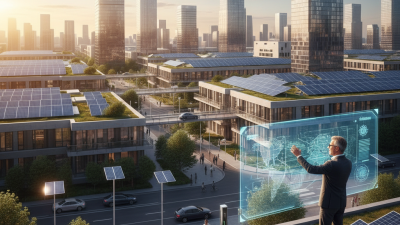
Moreover, enhancing solar solutions requires careful planning. Infrastructure must evolve alongside technology. Urban areas may need redesigning to accommodate solar energy systems. It's also important to engage communities in these developments. Community input can lead to better implementations of solar energy. By addressing these complex issues, we pave the way for a more sustainable future.
Government Policies and Incentives Shaping the Solar Market Landscape
Government policies and incentives play a crucial role in shaping the solar market landscape. According to the Solar Energy Industries Association (SEIA), solar energy has grown by 167% in the U.S. over the past five years. This surge largely results from federal tax credits and state-level incentives, which stimulate investments in solar technologies. In 2022 alone, the U.S. added 20.2 gigawatts (GW) of solar capacity, illustrating the effectiveness of these policies.
While government support is strong, there are disparities in accessibility. Not all regions benefit equally from incentives. For instance, some states offer more lucrative rebates than others. This can lead to inequities in who can adopt solar technology. Moreover, unpredictable policy changes can hinder long-term investments, causing uncertainty in the market.
Tip: Stay informed about local incentives and policies in your area. Understanding available resources can significantly impact your solar investment decisions. Research potential tax benefits that could offset installation costs.
The future of solar energy depends on continued policy support. Experts predict that by 2026, solar could account for 20% of total electricity generation in the U.S. This growth hinges on stable incentives and clear regulatory frameworks. Without this, the ambition to combat climate change may falter.