How to Navigate the Solar Market in 2026?
As we approach 2026, the solar market presents both challenges and opportunities. Innovations in technology could reduce costs, making solar energy more accessible. However, navigating regulatory landscapes can be daunting for newcomers.
Investment in solar energy is on the rise. But understanding market dynamics is crucial. Local incentives and federal policies vary widely, influencing decision-making. Companies need to stay informed about ongoing changes.
Consumer awareness is critical as well. Public perception can significantly impact demand. Engaging with community initiatives and educating potential customers may help boost confidence in solar solutions. The solar market is evolving rapidly, and adaptability will be key for success.
Understanding the Solar Market Landscape in 2026
In 2026, the solar market is poised for a significant transformation. A report by the International Energy Agency (IEA) suggests that global solar capacity could reach over 3,000 GW by the end of this decade. This spike can be attributed to advancements in technology and decreasing costs. The average price of solar photovoltaic (PV) systems has fallen by more than 80% since 2010, making solar energy more accessible.
However, challenges persist. Regulatory frameworks vary widely across regions, impacting installation timelines and costs. According to the Solar Energy Industries Association (SEIA), permitting delays can add 30% to the overall installation cost in some areas. Additionally, supply chain issues remain a concern, as certain semiconductor components are still in short supply.
Despite these challenges, opportunities abound. The growing demand for clean energy sources is driving investments. An estimated $200 billion will flow into solar energy projects over the next five years. This outlook emphasizes the importance of staying informed. Knowledge about local regulations, market trends, and technological advancements is crucial for stakeholders navigating this dynamic landscape.
How to Navigate the Solar Market in 2026? - Understanding the Solar Market Landscape in 2026
| Region |
Installed Capacity (GW) |
Annual Growth Rate (%) |
Market Share (%) |
Average Solar Panel Cost ($/W) |
| North America |
150 |
15 |
25 |
0.85 |
| Europe |
200 |
10 |
30 |
0.75 |
| Asia-Pacific |
350 |
20 |
40 |
0.70 |
| Latin America |
50 |
12 |
5 |
0.95 |
| Middle East & Africa |
30 |
8 |
2 |
1.10 |
Key Trends and Innovations to Watch in Solar Technology
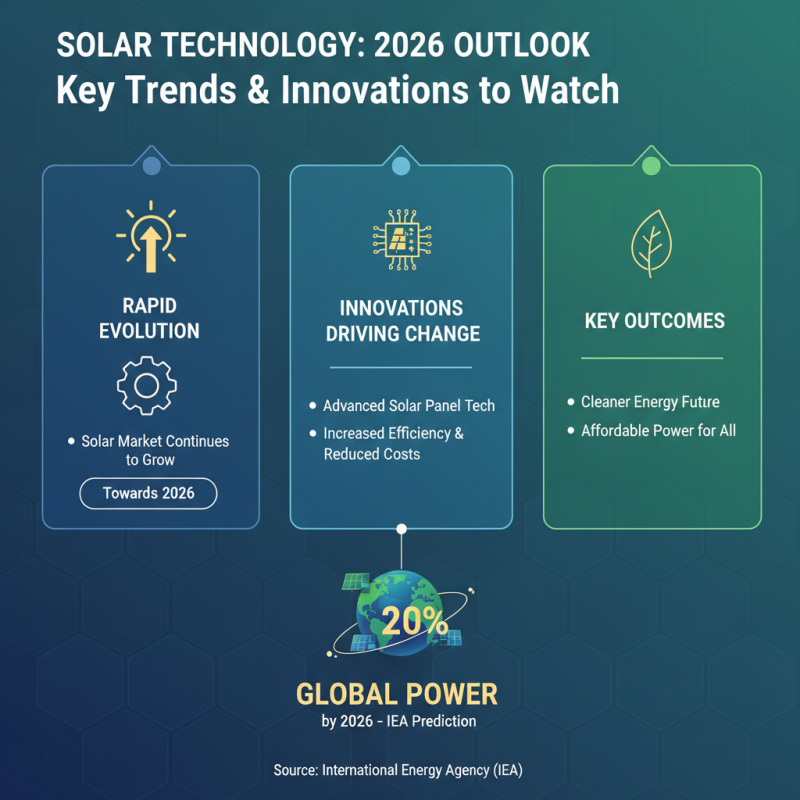
As we approach 2026, the solar market continues to evolve rapidly. Innovations in solar panel technology are leading the charge. The International Energy Agency (IEA) predicts that solar energy could account for nearly 20% of global power generation by 2026. This shift will result in increased efficiency and reduced costs in solar technology.
One key trend to monitor is the rise of bifacial solar panels. These panels capture sunlight from both sides, offering higher energy yields. A recent report from Wood Mackenzie states that bifacial installations are expected to grow by 30% annually through 2026. Additionally, advancements in energy storage solutions are paving the way for more reliable solar energy systems. Manufacturers are focusing on creating more efficient batteries, with some achieving up to 95% efficiency in energy retention.
While the solar market shows promise, challenges persist. Supply chain disruptions and material shortages can affect production timelines. Numerous reports highlight the importance of securing materials for solar panel manufacturing. As the market expands, the demand for raw materials may lead to increasing costs. Keeping an eye on these trends will be crucial for navigating the solar landscape effectively.
Evaluating Solar Financing Options for Homeowners and Businesses
Evaluating solar financing options in 2026 is crucial for homeowners and businesses. As solar technology improves, costs fluctuate. Understanding these financial avenues can provide clarity. Various options are available, like loans, leases, and power purchase agreements (PPAs). Each comes with unique benefits and drawbacks.
Loans offer ownership and tax incentives. However, they require good credit and upfront payments. Leases demand no initial cash but can lead to long-term commitments. Many homeowners appreciate consistent monthly payments for predictability. Businesses may prefer PPAs, which allow them to pay only for the energy they consume. However, locked-in rates can be tricky if energy prices shift.
It's essential to assess your situation. What works for one person may not suit another. Analyze your energy needs, budget, and long-term goals. A consultation with a financial advisor specializing in solar energy can guide your decision. Ensure your choice aligns with your financial strategy for the future.
Navigating Regulations and Incentives in Solar Energy
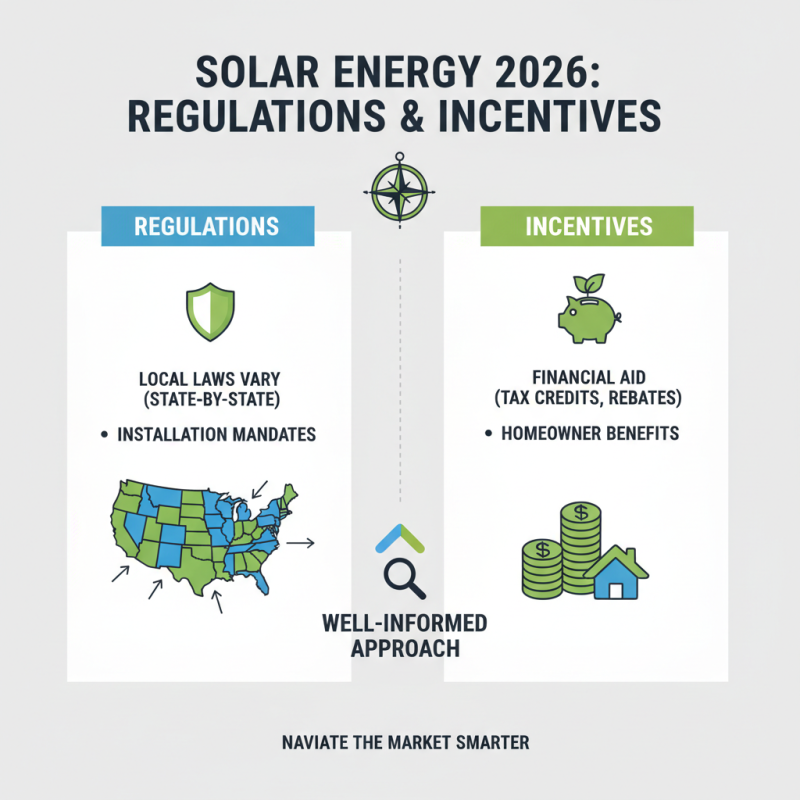
Navigating the solar market in 2026 requires a well-informed approach, especially regarding regulations and incentives. Understanding local laws can be complex. Each state has its own rules. There are mandates on solar installations and incentives for homeowners.
To thrive, stay updated on changes in legislation. Local government websites are a valuable resource. They offer clear guidelines on policies and grants. Consider joining local forums. This networking can provide firsthand experiences. Tips: Engage with community solar programs. These can reduce costs and simplify the decision-making process.
Incentives can significantly impact financial savings. Many regions still offer tax credits and rebates. However, these change frequently. Some programs may be phased out unexpectedly. So, keep vigilant. Tips: Consult with a solar energy expert. They can help navigate the landscape and find the best deals available.
Reflect on the potential pitfalls too. Sometimes, incentives may not cover the entire cost. Be prepared for additional expenses. It’s crucial to do thorough research before committing. By staying informed and proactive, you can make the best choice in the solar market.
Making Informed Choices: Selecting the Right Solar Provider
Choosing the right solar provider is crucial in 2026. The solar market is evolving rapidly. Many options exist, and each provider has unique offerings. It's easy to feel overwhelmed by the choices.
Start by researching potential providers in your area. Look for customer reviews and testimonials. Speaking with other solar users can provide valuable insights. Pay attention to warranty details and customer service records. A reliable provider should offer strong support throughout the installation process.
Next, evaluate their experience in the industry. More years typically signal a level of expertise. However, new companies may offer innovative solutions. Balance experience with fresh ideas to find the best fit. Be cautious when confronted with flashy advertisements or overly aggressive sales tactics. Make informed choices based on solid information, not just marketing claims. It’s essential that your decision reflects both quality and value.