Choosing home solar power is no longer only an environmental statement. It is a practical decision about electricity, household resilience, and long-term costs. Solar panels on a south-facing roof can produce power during bright afternoon hours. A battery may keep essential lights, refrigeration, and internet equipment running during some outages.
Fatih Birol, Executive Director of the International Energy Agency, said, “Solar PV is now the cheapest source of electricity in history.” His observation reflects dramatic changes in solar technology and manufacturing. However, household results still depend on local sunlight, roof direction, shading, electricity rates, equipment quality, and installation standards. A professional site assessment matters. So does reviewing warranties, maintenance terms, grid rules, and realistic production estimates.
The strongest case for home solar power is personal and measurable. Homeowners can compare twelve months of utility bills against a proposed system’s expected output. They can inspect how morning shadows cross the roof. They can also ask whether a battery is genuinely useful, rather than automatically purchasing one. It is not a perfect answer. Panels require upfront investment, and cloudy seasons can reduce production. Some roofs need repairs first. Ignoring those details creates disappointment.
Still, a properly designed system can turn unused rooftop space into a dependable energy asset. It may reduce grid purchases and provide greater control over household power. Results should be verified, not promised. An experienced installer should explain assumptions clearly and show how weather, degradation, and future electricity prices affect the estimate. That careful process makes home solar power a credible option, not merely an attractive slogan.

Home solar power is a household electricity system that uses sunlight as its energy source. Solar panels contain photovoltaic cells that produce direct current when light reaches them. Most home appliances use alternating current, so an inverter changes the electricity into a usable form. This process operates whenever sunlight is available, including on cool days.
During a site assessment, a technician checks roof condition, shading, direction, pitch, and local weather patterns. Shade matters. A chimney shadow can reduce output more than expected.
Electricity then moves through the home’s electrical panel and powers lights, refrigerators, and other circuits. When production exceeds demand, extra electricity may flow to the grid, depending on local rules and the utility meter. A battery can store energy for evening use, but it adds cost, weight, and maintenance concerns.
Solar power does not guarantee complete independence. Not at night. Clouds, winter angles, dust, and high evening demand still affect performance. A common mistake is judging a system by panel count alone. Inverter capacity and shading can change the result significantly. Qualified installation and inspection help protect the roof and reduce electrical risks. Homeowners should examine expected production, warranties, connection requirements, and maintenance plans carefully. The numbers deserve a second look.
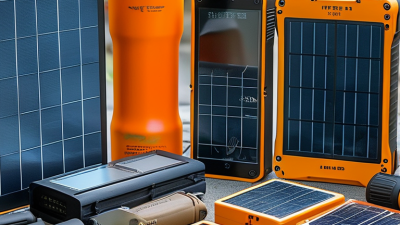
Solar energy can reduce household electricity costs by turning sunlight into usable power. On a clear afternoon, rooftop panels may run appliances while the grid supplies less electricity. This can lower monthly bills, especially in homes with strong daytime demand. The savings depend on roof direction, local sunlight, electricity prices, and system size. Bigger is not always better.
Solar power also reduces reliance on fossil-fuel-generated electricity. Each kilowatt-hour produced at home can replace some grid energy and its related emissions. This benefit becomes more visible over time, not overnight. A properly installed system can operate quietly with limited maintenance.
Homeowners usually monitor production through an inverter display or online meter. Small changes are noticeable.
Battery storage can keep essential lights, refrigeration, or medical equipment operating during some outages. However, batteries add cost and need careful sizing. They do not guarantee unlimited backup power.
A professional assessment should check roof age, shading, wiring, structural strength, and expected energy use. I once assumed a sunny roof meant ideal performance, but nearby trees changed the result by late afternoon. That mistake shows why site measurements matter.
Solar power can be practical and cleaner, yet its value depends on honest planning, realistic payback estimates, and regular review of energy habits.
A suitable home for solar power needs more than a sunny roof. Roof direction, pitch, age, and available space all matter. In the northern hemisphere, south-facing roofs usually receive strong sunlight, but east- and west-facing roofs can also perform well. Heavy shade from trees, chimneys, or nearby buildings may reduce production.
A professional assessment should check the roof’s structure, electrical system, and local weather patterns. Older roofs may need repairs before installation. Your household’s electricity use also matters. Review several months of utility bills, including seasonal changes. A small system may suit a modest home, while larger households may need more panels or battery storage. Local permits, grid rules, and installation costs must be checked carefully. A sunny roof is not enough.
Tips: Track your daytime electricity use. Trim shade only when legally and safely permitted. Ask for a written estimate of annual energy production. Request details about maintenance, warranties, and expected system life. Do not rely on optimistic figures alone. Real output can fall during cloudy weeks, and my own planning would leave room for that uncertainty. A qualified installer should inspect the property in person, explain assumptions clearly, and identify problems before any contract is signed.
Home solar can lower monthly bills, but its value depends on cost, sunlight, financing, and local electricity rates. Berkeley Lab’s 2024 Tracking the Sun report placed the 2023 median residential installation price near $3.4 per watt before incentives. A 6-kilowatt system could therefore cost about $20,400 upfront. A qualifying U.S. homeowner may reduce that price through the 30% federal clean energy credit, subject to current tax rules. Local rebates can change the calculation.
Savings build gradually. A well-positioned 6-kilowatt system may produce roughly 7,000–9,000 kilowatt-hours yearly, depending on climate and roof direction. At $0.18 per kilowatt-hour, that equals approximately $1,260–$1,620 in annual electricity value. The U.S. Energy Information Administration reports that residential electricity prices have generally risen over time, which can improve solar payback. Still, exports to the grid may receive lower compensation. That detail is easy to miss. Maintenance is usually modest, but inverter replacement and roof repairs can weaken projected returns.
Tips: Request at least three written quotes. Compare total cash price, not just monthly payments. Check production estimates against independent solar maps. Ask about degradation, warranties, and battery replacement costs. My practical caution: a perfect payback estimate does not exist. Shade, snow, rate changes, and imperfect installation records create uncertainty. Use a conservative forecast, preferably with a 20% production buffer.
Before installing solar panels, homeowners should inspect the roof, not just the electricity bill. A roof with cracked tiles, weak decking, or limited remaining life may need repairs first. Shade matters. Trees, chimneys, and nearby buildings can reduce production during key daylight hours. A site assessment should examine roof direction, pitch, local weather, and available installation space.
Review at least twelve months of electricity bills to estimate real usage. Future changes matter too. Electric vehicles, heat pumps, or a growing family can increase demand. Ask how the system performs during cloudy seasons, not only on bright summer days. Battery storage may improve backup power, but it adds cost, weight, and maintenance. It may not provide full-home backup unless the electrical design supports it.
Request written estimates that explain equipment capacity, expected annual output, installation work, permits, monitoring, and warranty responsibilities. Installer licensing, insurance, safety records, and references deserve careful checking. Ask what happens if production falls below the estimate. Payback calculations can look impressive, yet they depend on utility rates, financing costs, incentives, and future repairs. A perfect forecast is impossible. That uncertainty should be stated clearly. Homeowners should also confirm local grid-connection rules and whether approval is required before installation. Cheap quotes can hide important omissions. Take time to compare the details, not just the final price.
What should homeowners consider before installing solar panels?
Solar photovoltaic power produces substantially lower lifecycle greenhouse gas emissions than coal and natural gas. Before installation, homeowners should also evaluate roof condition and orientation, local sunlight, electricity consumption, installation costs, available incentives, maintenance needs, grid connection rules, and whether battery storage is required.
Data source: IPCC Fifth Assessment Report, Working Group III, Annex III. Values represent median lifecycle greenhouse gas emissions in grams of CO₂-equivalent per kilowatt-hour (gCO₂e/kWh).