Top 10 Trends Shaping the Future of the Solar Market?

The solar market is rapidly evolving. Innovations and changing consumer preferences are driving significant trends. Understanding these dynamics is crucial for stakeholders.

Among the key trends is the rise of residential solar installations. Homeowners are increasingly investing in solar panels. This shift reflects a desire for energy independence and lower utility bills. Additionally, advancements in solar technology are making systems more efficient and affordable.

Another important trend is the growth of solar financing options. More flexible financing makes solar accessible to a broader audience. However, not every region sees the same growth. Some areas struggle with regulatory challenges. This uneven progress raises questions about equity in the solar market. As we explore these trends, it is essential to address both opportunities and obstacles.

Top 10 Trends Shaping the Future of the Solar Market?

Emerging Technologies in Solar Energy Generation

Emerging technologies play a crucial role in solar energy generation. One exciting development is the rise of perovskite solar cells. These materials are cheaper to produce and promise high efficiency. Researchers are exploring ways to integrate these cells with traditional silicon panels. The combination could lead to better energy conversion rates and lower costs.

Another trend is the advancement of solar tracking systems. These devices adjust the angle of solar panels throughout the day. They help capture more sunlight, improving overall energy output. While these systems can be more expensive upfront, the long-term benefits often outweigh the costs. However, maintenance can be challenging. Issues like wear and tear may arise, making regular check-ups necessary.

Innovations in energy storage are also vital. New battery technologies are being developed to store solar energy for later use. Improved storage solutions mean that solar power can be used even when the sun isn't shining. Yet, storage technology often faces criticisms regarding environmental impact. It’s a critical area that requires thoughtful consideration. Balancing efficiency with sustainability remains a challenge.
Government Policies Influencing Solar Market Growth

Government policies are crucial for the solar market's growth. Incentives like tax credits and subsidies encourage investment. Reports show that in the U.S., the extension of tax credits has led to a 25% increase in solar installations in the last two years. This tells us that legislation can directly influence energy choices.

However, policies may not always align. Some regions still face bureaucratic hurdles that slow down adoption. In areas with strict zoning laws, solar projects can be delayed for months. This disparity can discourage potential investors. Flexibility in policy is necessary to balance local concerns and national goals.

Tips: Stay informed about local regulations. Each state has unique incentives. Explore community solar options to gain access in restrictive zones. Consider advocating for policy changes in your area. Engaging with local governments can create better conditions for solar growth. Small actions can lead to significant changes.

Top 10 Trends Shaping the Future of the Solar Market: Government Policies Influencing Solar Market Growth

Trend Description Impact Region
Increased Incentives Government subsidies and tax credits for solar installations. Higher adoption rates among consumers. Global
Renewable Energy Standards Mandatory requirements for renewable energy use. Increased solar capacity installation. United States, Europe
Decentralized Energy Policies Support for community solar projects and local generation. Greater energy independence. Global
Net Metering Reforms Changes in policies that allow homeowners to sell excess power back to the grid. Encourages residential solar adoption. North America
Utility-Scale Solar Projects Support for large-scale solar farms through government contracts. Boost in large capacity solar generation. Global
Green Building Standards Incorporation of solar technology in new building regulations. Increased integration of solar energy. Europe, Asia
Energy Storage Incentives Support for solar plus storage projects. Enhanced reliability of solar energy. Global
Climate Action Policies Aggressive targets to reduce carbon emissions. Ultimately favors solar market expansion. Global
Public Awareness Campaigns Government-led initiatives to educate the public about solar benefits. Increased public engagement and adoption. Global
International Cooperation Partnerships for solar energy technology sharing and development. Accelerated innovation in solar technology. Global

The Role of Energy Storage Solutions in Solar Adoption

The integration of energy storage solutions is reshaping the solar market significantly. Solar energy, while abundant, is often inconsistent. Energy storage provides a way to balance this inconsistency. By storing excess energy generated during sunny days, users can have power available at night or on cloudy days. This capability enhances the practicality of solar energy.

With advancements in battery technologies, efficiency continues to improve. Systems can now store more energy in smaller units. Additionally, pricing is becoming more accessible, making these solutions viable for more consumers. However, challenges remain. Energy storage systems can require significant upfront investment, which might deter potential adopters.

Furthermore, many individuals still lack awareness of storage options. Education is crucial for increasing adoption rates. There are also concerns about battery disposal and environmental impact. While the benefits of energy storage are clear, these complexities highlight areas for reflection. Innovations must address not just technical hurdles but also public perception and sustainability concerns.

Market Dynamics: Demand, Supply, and Pricing Trends in Solar

Top 10 Trends Shaping the Future of the Solar Market?

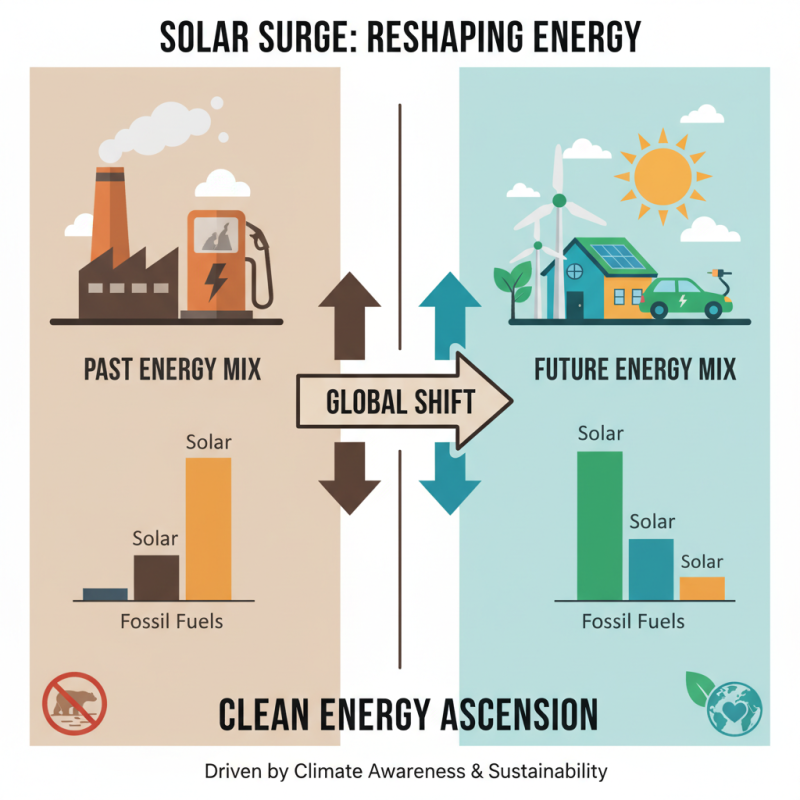
In recent years, the solar market has experienced significant shifts. Demand for solar energy has surged, driven by increased awareness of climate change. Homeowners and businesses are seeking sustainable energy solutions. This trend is reshaping the landscape of energy sources, pushing fossil fuels to the backseat.

On the supply side, technological advancements have made solar panels more efficient and affordable. However, fluctuations in raw material costs can impact pricing. Supply chain disruptions remain a concern. These challenges can cause delays and unexpected price hikes. Additionally, the rising demand for solar installations often outpaces the available workforce, complicating the market dynamics even further.

Pricing trends reveal an intriguing dichotomy. While installation costs may drop, this does not always translate into consumer savings. Regulatory changes can complicate matters, creating uncertainty. Stakeholders must navigate these fluctuations carefully to maintain profitability. As the market grows, a careful balance will be essential for sustainability and innovation.

Consumer Awareness and Adoption of Solar Energy Solutions

Top 10 Trends Shaping the Future of the Solar Market?

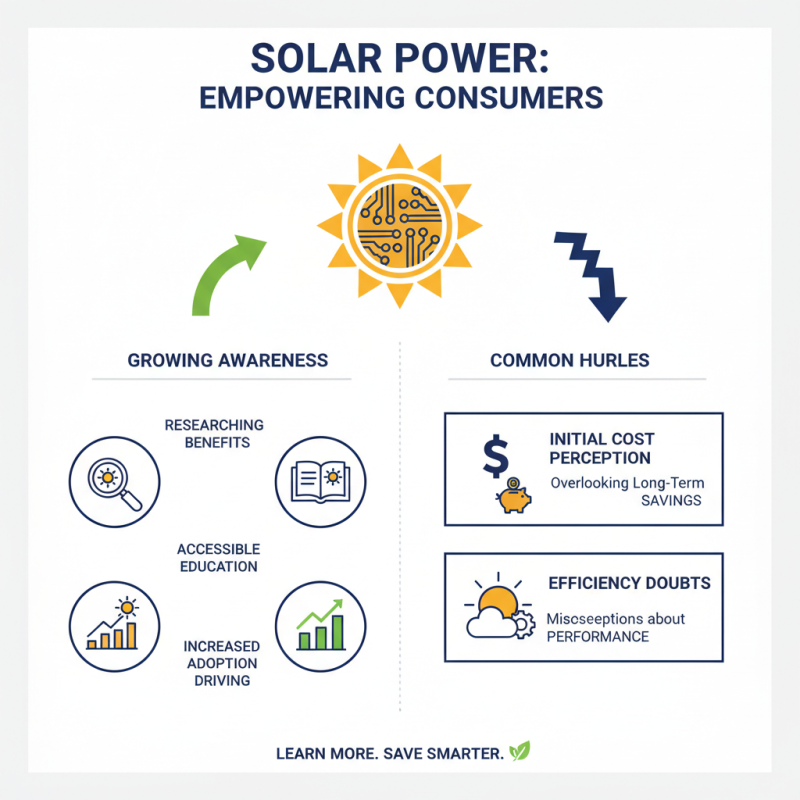
Consumer awareness of solar energy solutions is growing rapidly. More individuals are researching how solar works and its benefits. Educational resources have become more accessible. This shift is essential for driving adoption. However, some consumers still have doubts about the initial costs. Many see only the installation price but overlook long-term savings. Misunderstandings about solar efficiency also persist.

Social media plays a significant role. People share their solar experiences, revealing successes and challenges. These stories resonate and motivate potential buyers. Yet, misinformation can spread quickly. Some might believe solar is not viable in cloudy areas. This misconception needs addressing. Community workshops could help clarify these doubts.

Moreover, while some areas see high adoption rates, others lag behind. Factors like local policies and incentives significantly impact consumer choices. Some regions lack resources or support for solar initiatives. Awareness must be matched with action. Effective communication is key to bridging this gap and ensuring everyone can participate in the solar revolution.