Top Solar Applications You Need to Know About?
Solar energy is reshaping our world. From powering homes to fueling industries, the potential of Solar Applications is vast. Dr. Emily Chen, a leading expert in renewable energy, stated, "Solar Applications can drive sustainable development." This highlights the importance of understanding various applications in the solar sector.
Solar technology spans residential rooftops, solar farms, and even mobile devices. Each application serves a unique purpose. For instance, solar panels on homes reduce electricity bills and carbon footprints. Yet, despite its benefits, challenges remain. Some regions lack adequate sunlight, limiting solar potential. This calls for innovation in the industry.
Businesses are also adopting solar energy. Large retailers invest heavily in solar to cut costs. Yet, many small businesses hesitate. They may view solar as too expensive or complicated. It is crucial to address these perceptions. As we explore the top Solar Applications, we must also reflect on barriers to wider adoption.
Key Benefits of Solar Energy Applications
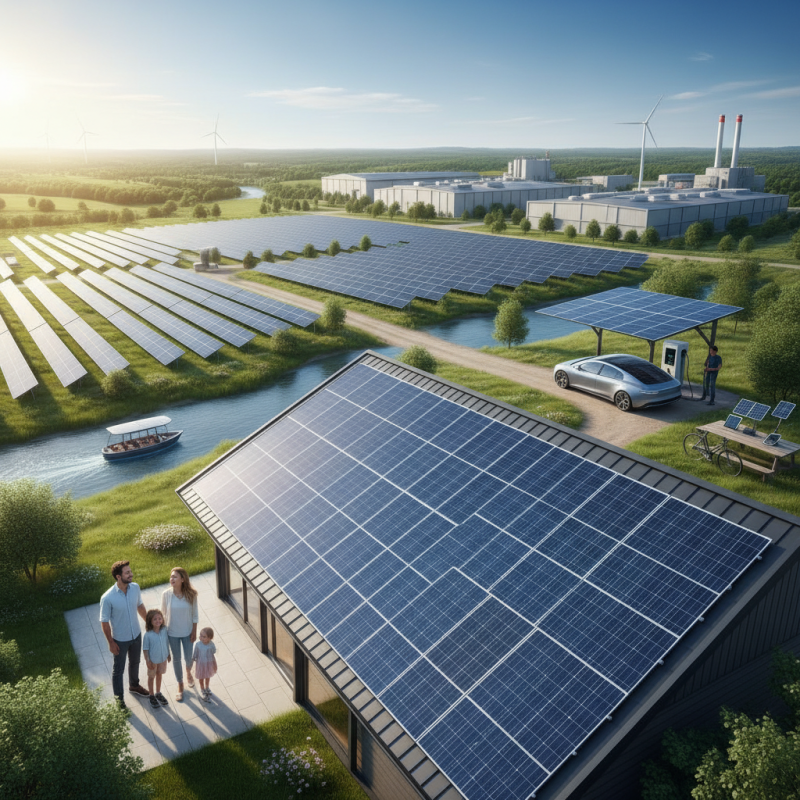
Solar energy applications offer numerous benefits that can significantly impact our daily lives and the environment. One of the greatest advantages is the reduction of electricity bills. By harnessing sunlight, users can produce their own electricity, reducing reliance on expensive grid power. Solar panels can be installed on rooftops, making them a viable option for many homeowners. Additionally, solar energy lowers carbon footprints, which benefits the planet. This shift towards clean energy is essential in combating climate change, promoting a healthier atmosphere.
When considering solar energy applications, it's crucial to evaluate installation and maintenance. Choose reliable contractors. Ensure they have experience in solar technology. Many homeowners think maintenance is cumbersome, but it typically requires little effort. Regular cleaning and occasional inspections are often all that's needed.
Some people view the initial investment as daunting. However, various financing options and incentives are available to help offset costs. It's important to research these avenues. Doing so can make solar systems more affordable. With increasing energy costs, investing in solar is not just wise but can be an excellent long-term strategy. Understanding these benefits helps to make informed decisions.
Residential Solar Power Systems and Their Advantages
Residential solar power systems are gaining popularity globally. These systems convert sunlight into electricity, helping homeowners reduce their energy bills. One of the main advantages is sustainability. By using solar energy, you rely less on fossil fuels, contributing to a cleaner environment. Solar panels can last over 25 years, offering a long-term solution.
Tips: Consider your roof’s orientation. An ideal south-facing roof maximizes solar energy capture. Also, think about local incentives. Many areas offer tax credits for solar installation, making it financially attractive.
Choosing the right system can be tricky. Efficiency rates vary between products. Not all systems deliver the same performance. It's essential to research and compare options. Look for certified professionals for installation. This ensures proper setup and optimal energy production. Regular maintenance is necessary to keep the system functioning well. Dust and debris can hinder performance.
Top Solar Applications You Need to Know About
Commercial Solar Solutions: Enhancing Business Sustainability
Businesses today face increasing pressure to enhance sustainability. Commercial solar solutions offer a practical path forward. According to a report by the International Renewable Energy Agency, solar energy could power 30% of global electricity by 2030. Companies can significantly reduce their carbon footprint by adopting these technologies.
Investing in solar panels not only lowers energy costs but also improves brand credibility. The U.S. Department of Energy found that companies utilizing solar energy enjoyed a 30% reduction in electricity bills. However, the initial investment can be daunting, leading some businesses to hesitate. It’s important to weigh the long-term savings against upfront costs.
Embracing solar solutions can create a competitive edge.
Over 80% of consumers prefer brands aligned with their values. Yet, transitioning to solar is not without challenges. Installation and maintenance can be complex, requiring knowledgeable professionals. As businesses navigate this shift, ongoing education and professional expertise are vital.
Innovative Solar Technologies in Agriculture and Farming
Innovative solar technologies are making significant strides in agriculture and farming. Solar panels are being integrated into greenhouse systems. This allows farms to harness renewable energy while providing necessary light for plant growth. Additionally, solar-powered irrigation systems are becoming more common. These systems utilize solar energy to pump water from wells or other sources, reducing reliance on traditional energy.
The benefits are clear but not without challenges. Solar energy systems can be costly to implement. Farmers must weigh the initial investment against long-term savings. Moreover, there can be limitations in energy output during cloudy days. Evaluating local weather patterns is essential for farmers considering this technology.
Some farms are experimenting with solar-powered sensors. These devices monitor soil moisture and crop health, aiding decision-making. However, the technology may not be accessible for all. Costs and required expertise for installation could deter small farmers. These nuances highlight the need for careful consideration in adopting solar innovations.
Solar Energy in Transportation: Future Trends and Developments
The transition to solar energy in transportation is gaining momentum. Solar-powered vehicles are emerging as a promising solution. They aim to reduce reliance on fossil fuels. Electric vehicles (EVs) powered by solar energy can significantly lower carbon emissions. This shift could lead to cleaner air in urban environments.
Innovations in solar technology are making it possible. Solar panels integrated into car designs harness sunlight effectively. These advancements are not without challenges. Efficiency in energy conversion and storage remains a hurdle. Direct sunlight is not always available, impacting performance.
Public interest in solar transportation is growing, too. Awareness of climate change drives consumers toward eco-friendly options. However, the infrastructure is still developing. Charging stations powered by solar energy are limited. This requires careful planning and investment. Opportunities and obstacles coexist in this evolving landscape.
