Best 10 Reasons to Choose Solar Power for Your Home?
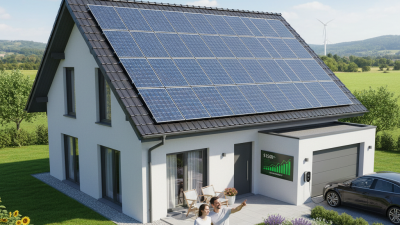
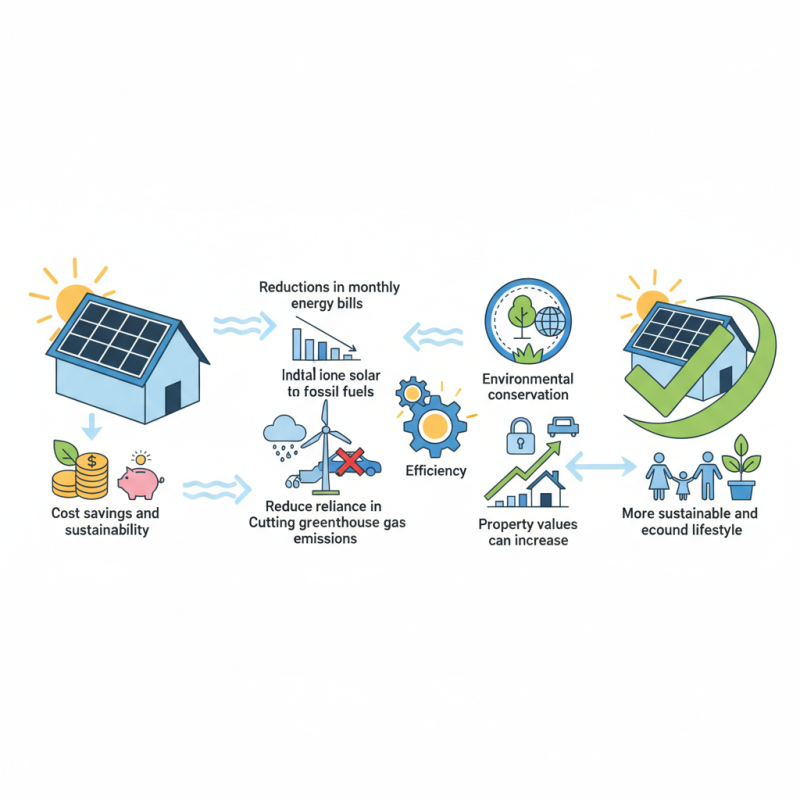
When considering energy sources for your home, solar power stands out as a leading option. The benefits are both immediate and long-term. Choosing solar power leads to significant cost savings and sustainability. Homeowners often see reductions in monthly energy bills, providing extra financial freedom.
Moreover, solar power contributes to environmental conservation. By harnessing the sun's energy, we reduce reliance on fossil fuels. This shift not only helps in cutting greenhouse gas emissions but also promotes cleaner air quality. With advancements in solar technology, efficiency continues to improve.
While the initial investment may raise concerns, the long-term benefits outweigh these challenges. Property values can increase with solar installation. However, some may hesitate due to installation costs or maintenance issues. Understanding these aspects is crucial when making an informed decision about solar power. In the end, the advantages often lead to a more sustainable and economically sound lifestyle.
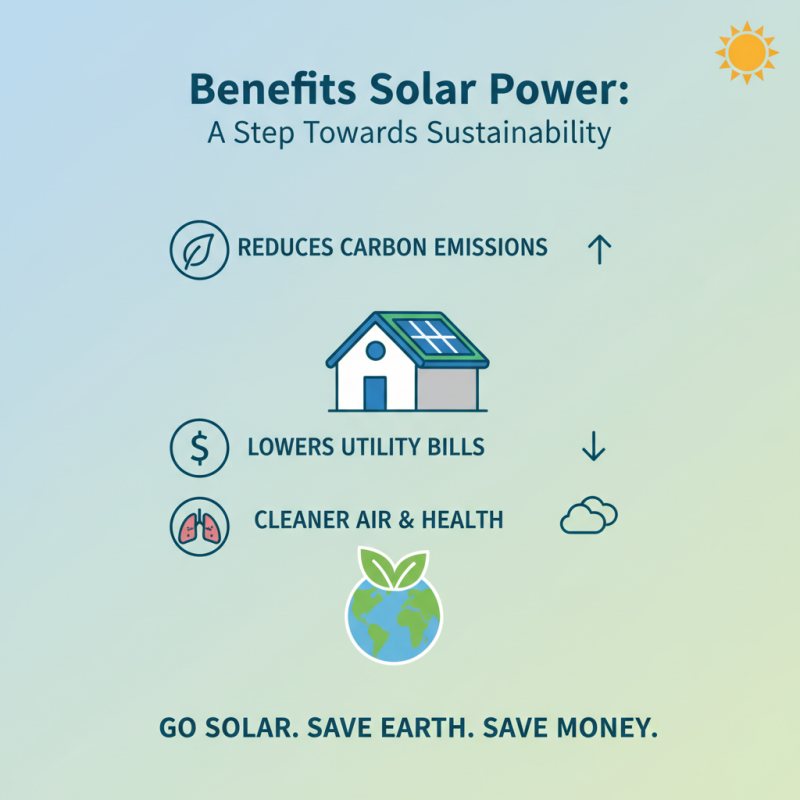
Benefits of Solar Power: A Step Towards Sustainability
Harnessing solar power at home is more than an eco-friendly choice. It's a significant step toward sustainability that benefits both the environment and your wallet. Solar energy reduces carbon emissions. This transition is crucial in combating climate change. By installing solar panels, households can significantly lower their reliance on fossil fuels. This shift contributes to cleaner air and enhances overall public health.
Moreover, investing in solar technology can lead to substantial savings on energy bills. Homeowners may see reductions of up to 50% in energy costs. With advancements in solar technology and increasing efficiency, the initial investment pays off over time. Solar energy systems often add value to properties, making them more attractive to potential buyers.
However, the adoption of solar energy isn’t without challenges. High upfront costs can be a deterrent for some. Additionally, the effectiveness of solar panels varies depending on geographical location. Not all homes may receive optimal sunlight. These factors must be considered when planning a solar transition. The path to sustainability through solar power requires careful thought and consideration.
Cost Savings from Solar Energy: Long-term Financial Advantages
Solar energy presents noteworthy financial advantages for homeowners. A recent report from the U.S. Department of Energy highlights that solar systems can reduce electricity bills by up to 70%. This substantial saving comes from the ability to generate power directly from sunlight. Over time, these savings accumulate significantly, often leading to a return on investment within a decade.
Homeowners can also benefit from various incentives. The Solar Investment Tax Credit allows for a deduction of up to 26% on solar system installation costs. Many states offer additional rebates, further decreasing upfront expenses. However, not every household can maximize these benefits fully. Some may face barriers like high installation costs or limited sunlight exposure due to geographical factors. This variance emphasizes the need for tailored assessments.
Additionally, solar power adds long-term value to properties. According to a study by Zillow, homes with solar panels sell 4% higher than similar properties without them. Yet, this increase can vary by location and market conditions. Potential buyers might not always prioritize solar features. It’s important for homeowners to engage with market data before making decisions.
Cost Savings from Solar Energy: Long-term Financial Advantages
Environmental Impact: Reducing Your Carbon Footprint
The environmental impact of solar power is profound, significantly reducing your carbon footprint. According to the U.S. Department of Energy, solar energy can cut carbon emissions by up to 90% compared to traditional fossil fuels. Transitioning to solar not only mitigates harmful emissions but also supports sustainable energy practices.
Installing solar panels in your home helps decrease reliance on non-renewable resources. The National Renewable Energy Laboratory found that doubling solar capacity nationwide could displace around 35 million metric tons of carbon annually. This reduction is vital in the fight against climate change and illustrates the deep environmental benefits of solar energy.
Tips: Consider conducting a home energy audit. This step reveals how much energy you consume and helps maximize solar efficiency. Ensure your solar system is properly sized for your needs. Overestimating can lead to wasted energy production. Always consult experts to avoid common mistakes in installation. This approach encourages informed decisions and optimized energy management.
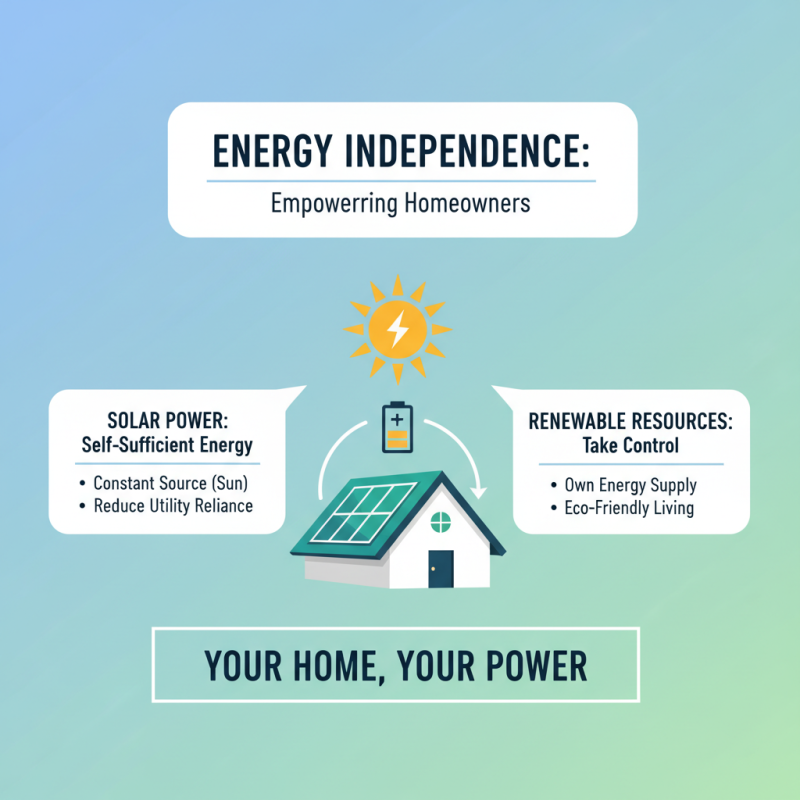
Energy Independence: Empowering Homeowners with Renewable Resources
Choosing solar power can transform your home into a self-sufficient energy hub. With renewable resources, homeowners gain substantial energy independence. The sun provides a constant source of energy. By harnessing this power, you reduce reliance on traditional utility companies. This transition fosters a sense of control over one’s energy supply.
Solar energy systems often come with significant financial benefits. Homeowners can save money on electricity bills and even earn from surplus energy. However, there are challenges. Initial installation costs can be high. Additionally, not every home is suitable for solar panels. Roof orientation and shading are critical factors.
Implementing solar power requires careful planning and commitment. Homeowners must evaluate their long-term energy needs. A thoughtful assessment can lead to a meaningful shift toward sustainability. Embracing solar energy isn't just an investment; it's a move toward a more autonomous lifestyle. The journey may not be perfect, but the rewards of energy independence are substantial.
Increased Property Value: The Real Estate Appeal of Solar Installations
In today’s real estate market, homes with solar power installations are increasingly appealing. Buyers often prioritize sustainability and energy efficiency. Solar panels not only lower utility bills but can also enhance a home’s resale value. A home equipped with solar energy systems demonstrates a commitment to environmental responsibility. This appeal attracts tech-savvy buyers looking for modern features.
Appraisers recognize solar installations as valuable assets. Homes with solar power can sell for more than their traditional counterparts. Studies show that homes with solar energy can be valued 3-4% higher on average. However, there are factors to consider. The effectiveness of the panels can vary based on geographic location and roof orientation. Some buyers may hesitate, worried about maintenance costs or technology changes. These concerns can impact how much value solar adds to a home.
Despite these challenges, many homeowners are investing in solar technologies. The increasing demand for eco-friendly homes suggests this trend will grow. Potential buyers often seek homes that reflect their values. They view solar power as an investment, not just a utility. Solar energy could become a standard feature in homes. As more people aim for sustainable living, the appeal will likely strengthen over time.
Best 10 Reasons to Choose Solar Power for Your Home - Increased Property Value: The Real Estate Appeal of Solar Installations
| Reason |
Description |
Impact on Property Value |
| Increased Home Appeal |
Solar panels enhance the aesthetic appeal of a home. |
+5% increase |
| Energy Independence |
Own your energy source and reduce reliance on the grid. |
+3% increase |
| Lower Utility Bills |
Consistent savings on monthly energy expenses. |
+4% increase |
| Market Demand |
Increasing interest in eco-friendly homes boosts marketability. |
+6% increase |
| Government Incentives |
Tax credits and rebates increase financial appeal. |
+2% increase |
| Sustainability |
Attracts buyers seeking environmentally responsible options. |
+7% increase |
| Long-Term Investment |
Solar installations are viewed as a smart long-term asset. |
+5% increase |
| Increased Home Efficiency |
Improved energy efficiency can lead to better valuations. |
+4% increase |
| Future-Proofing |
Modern home buyers are increasingly looking for solar capabilities. |
+6% increase |
| Enhanced Property Resale |
Solar-equipped homes tend to sell faster and at a premium. |
+8% increase |