Top Benefits of Home Solar Systems That You Should Know?
The rise of home solar systems reflects a significant shift towards renewable energy. According to the Solar Energy Industries Association, solar panel installations in the U.S. rose by 43% in 2020 alone. This growth demonstrates an increasing awareness of energy independence and sustainability among homeowners. Many are now realizing that home solar systems are not just about cutting energy costs.
Investing in solar technology can lead to remarkable financial benefits. Reports indicate that homeowners can save between $10,000 to $30,000 over the lifespan of their solar systems, depending on energy consumption. Additionally, a study by the U.S. Department of Energy shows that homes equipped with solar panels sold for an average of 4.1% more than those without. These figures highlight the value of making a proactive choice for both savings and property appreciation.
However, potential buyers should reflect on some challenges too. Initial installation costs can be high, and not all homes are suitable for solar energy. Shadowing from trees or buildings can impact efficiency, making thorough assessments crucial. Home solar systems offer undeniable benefits, yet understanding these complexities is essential for informed decision-making.

Key Advantages of Installing Solar Panels at Home
When considering solar systems for homes, the advantages stand out. Solar energy has become increasingly popular. A recent report from the International Renewable Energy Agency shows that solar power can reduce electricity bills by up to 70%. Homeowners can save thousands over the lifespan of solar panels. This makes solar not just eco-friendly, but financially smart too.
Installing solar panels increases property value. According to a study by Zillow, homes with solar energy systems sell for 4% more on average. This can be a significant return on investment. However, some homeowners hesitate. The upfront costs can be daunting. Although incentives exist, navigating them is not always simple. It is essential to carefully assess your local market.
Solar energy also promotes energy independence. Homeowners generate their own electricity, which is particularly valuable during power outages. However, solar systems require maintenance. This can be overlooked during installation discussions. Regular checkups are essential to ensure optimal performance. Balancing the benefits with potential drawbacks requires thoughtful consideration.
Top Benefits of Home Solar Systems
Reduction of Electricity Bills Through Solar Energy Savings
The rise of home solar systems brings significant savings on electricity bills. Solar energy harnesses the power of the sun. By converting sunlight into electricity, households can dramatically cut costs. Many homeowners report up to 50% reduction in monthly bills. This savings can improve your overall budget.
Consider these tips. Evaluate your energy consumption first. Understanding your usage can help optimize solar installation. Look for peak usage times. Adjusting habits during those hours can further enhance savings. Additionally, monitor your system regularly. Regular checks can lead to identifying issues early, ensuring efficient performance.
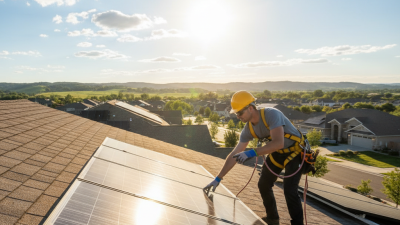
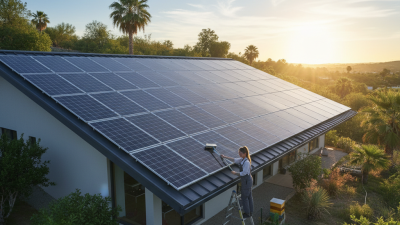
It's easy to overlook roof maintenance. Blockages can affect solar panel efficiency. Dust and debris might reduce energy output. Keeping the solar panels clean is crucial. This small task can lead to substantial energy savings over time. Don't hesitate to get help if roof access is difficult. The effort pays off with lower bills.
Environmental Impact: How Solar Energy Reduces Carbon Footprint
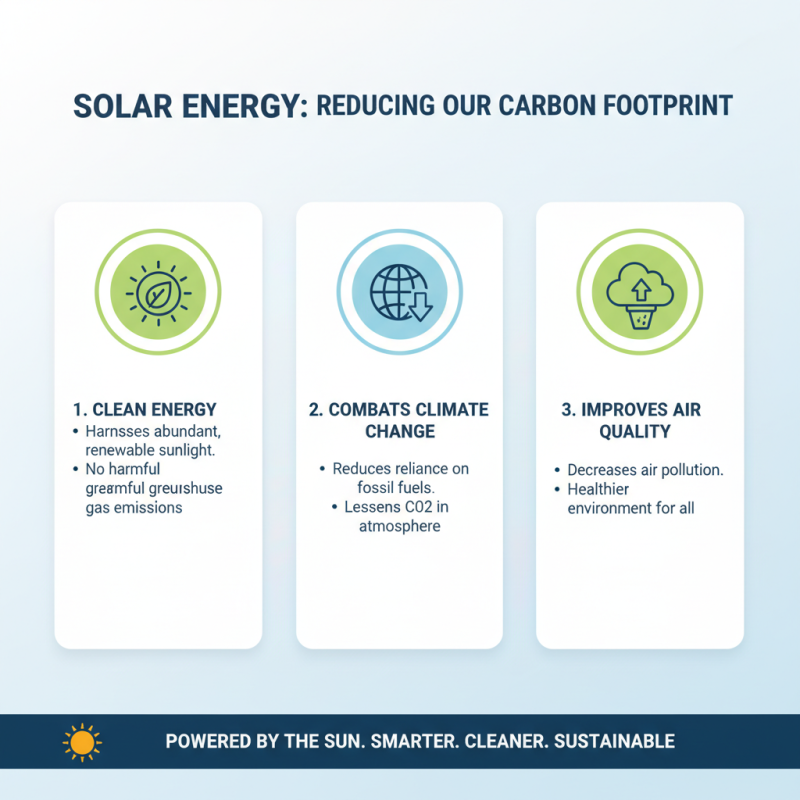
Solar energy has a significant impact on reducing our carbon footprint. Using solar panels harnesses the sun’s energy, which is abundant and renewable. Unlike fossil fuels, solar energy produces no harmful emissions. This transition helps combat climate change and reduces air pollution.
Implementing home solar systems can create energy independence. You rely less on grid power, which often comes from non-renewable sources. However, installing solar panels requires an upfront investment and regular maintenance. Not everyone can afford this initially. The payoff comes in energy savings over time, yet the initial struggle may deter some.
Moreover, solar energy contributes to local ecosystems. It promotes green practices and encourages sustainable living. However, one must consider the environmental cost of manufacturing solar panels. There is room for improvement in the overall life cycle impact. Balancing these factors is part of the journey toward a cleaner future.
Increased Home Value: Benefits of Solar Systems for Property
Investing in a home solar system can significantly enhance your property's value.
Homes with solar panels often attract more buyers.
This is becoming increasingly relevant in today's eco-conscious market. A property equipped with solar energy solutions signals
sustainability and modern living. Many buyers seek energy-efficient homes, which helps increase demand.
Solar systems can lower electricity bills, making homes economically attractive.
This financial benefit can appeal to prospective buyers.
Moreover, solar energy systems often come with warranties that can cover years of maintenance. This adds to a property's desirability.
However, the initial installation cost may be a concern for some homeowners.
It can feel daunting, leading to second thoughts.
Location also plays a role in solar efficiency and property value. Not every home benefits equally from solar panels.
Some areas receive more sunlight, making them ideal for solar energy.
Others face shadows from nearby trees or buildings. Homeowners should consider these factors carefully.
Understanding your local market can help you make informed decisions.
Government Incentives and Rebates for Solar Energy Adoption
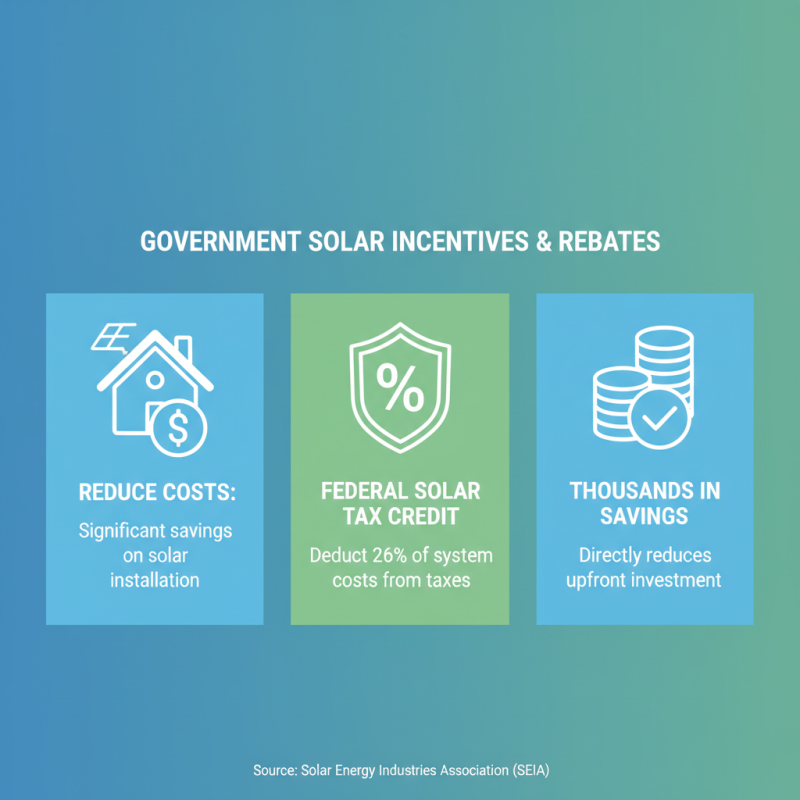
Government incentives and rebates play a crucial role in promoting solar energy adoption. According to the Solar Energy Industries Association (SEIA), many homeowners can reduce the cost of solar installation significantly. The federal solar tax credit allows homeowners to deduct 26% of their solar system costs from their federal taxes. This can amount to thousands of dollars in savings.
In addition to federal incentives, various states offer their own schemes, such as rebates and tax credits. California, for example, provides cash incentives to homeowners who install solar systems. These state-specific programs can make the difference in whether residents go solar. However, the eligibility for these incentives can be complex and may change over time. It is essential to stay updated on these benefits to maximize savings.
Despite these advantages, challenges exist. Not all homeowners can install solar panels. Some properties may not have adequate sun exposure or space. The initial cost, even with incentives, can be daunting for many families. Moreover, navigating the various incentive programs can be confusing. It's crucial for potential solar adopters to evaluate their situations carefully and seek expert advice when needed.