Top 5 Tips to Reduce Your Solar Cost Today?
Reducing solar cost is a hot topic in today’s energy landscape. As solar technology evolves, homeowners seek ways to cut expenses. According to Dr. Emily Harper, a leading solar cost expert, “Finding efficient ways to lower solar costs is essential for wider adoption.” Her insights highlight the importance of addressing financial barriers for potential users.
Navigating the intricacies of solar cost reduction can seem daunting. Many homeowners lack information about available rebates or financing options. Moreover, installation fees can add to the overall expense. Addressing these concerns can significantly impact your budget and financial decisions.
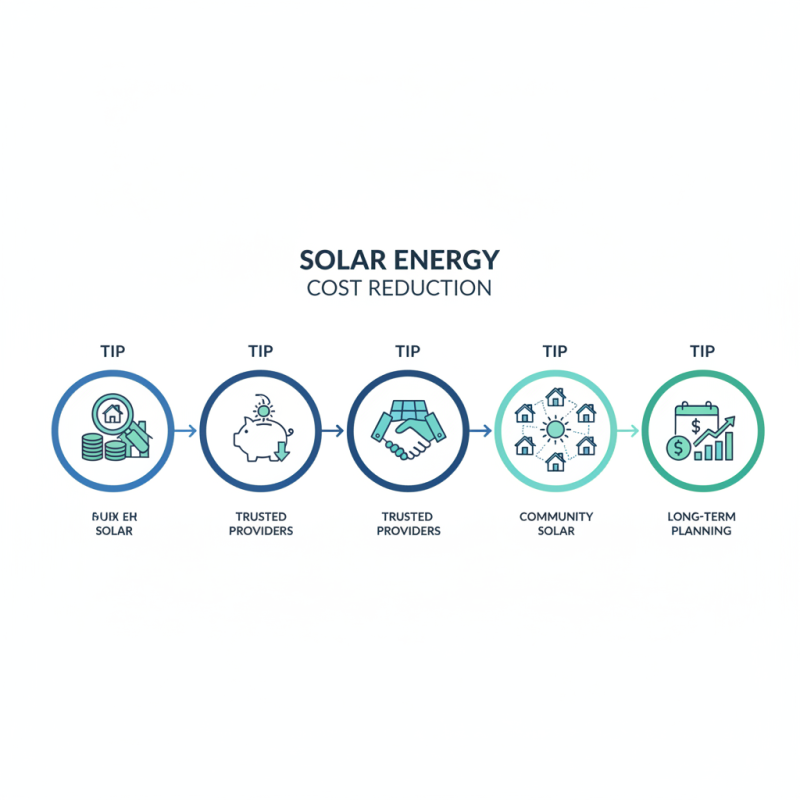
Practical strategies exist to help decrease solar costs effectively. By focusing on local incentives and thorough research, homeowners can make informed choices. Engaging with trusted providers is crucial for understanding pricing. Exploring community solar programs can also be beneficial. The path to affordable solar solutions is filled with opportunities for improvement and reflection.
Understanding Solar Panel Cost Structures and Incentives
Understanding the cost structure of solar panels is crucial for homeowners. The average installation cost for residential solar systems in the United States is about $3.00 to $4.00 per watt as of 2023, according to the National Renewable Energy Laboratory. This means that a typical system might cost between $15,000 and $25,000 before incentives. Knowing these numbers can empower you to make informed decisions.
Incentives play a significant role. The federal solar tax credit allows homeowners to deduct 26% of the installation cost from their federal taxes, which can significantly lower the initial expense. Additionally, many states offer rebates or financing options to further ease the financial burden. Research shows that these financial incentives can lower costs by up to 50% in some cases.
Tip: Consider shopping around for different quotes. Installer costs can vary widely, potentially saving you thousands.
Tip: Look for local grants or rebates available in your area. These can provide extra cash to reduce your overall costs.
Investing in solar energy is more affordable than before. However, understanding these cost structures and taking advantage of incentives can present an opportunity for substantial savings.
Top 5 Tips to Reduce Your Solar Cost Today
| Tip |
Description |
Potential Savings (%) |
Incentives Available |
| Shop Around |
Get quotes from multiple providers to find the best deal. |
10 - 20% |
Local and Federal Tax Credits |
| Consider DIY Installation |
Explore self-installation options to save on labor costs. |
15 - 30% |
State Rebates for DIY |
| Utilize Government Incentives |
Take advantage of federal and state programs to reduce upfront costs. |
20 - 40% |
Federal Investment Tax Credit (ITC) |
| Optimize Financing Options |
Look for low-interest loans or financing options to spread costs. |
5 - 15% |
Financing Programs |
| Energy Efficiency Audits |
Conduct an audit to identify ways to reduce energy consumption before installation. |
5 - 10% |
Local Utility Incentives |
Evaluating the Impact of Federal and State Tax Credits on Savings
Tax credits can significantly reduce your solar cost. Both federal and state incentives are designed to support homeowners. They make solar energy more affordable. The federal solar tax credit allows you to deduct a percentage of your solar installation cost from your federal taxes. This can lead to substantial savings. Research your state-specific credits, too. Each state has unique programs that enhance savings.
Consider maximizing these credits. Ensure you understand eligibility requirements. Not every installation qualifies. Sometimes, installation size or equipment types affect your savings. Speak to experts about what works best for your situation. They can provide insights specific to your region.
Other tips include shopping around for quotes. Prices vary greatly among installers. Comparing multiple quotes can lead to cost reductions. Additionally, financing options can help spread costs over time. Be cautious, though. Balancing low payments with total costs is essential. Always calculate the long-term savings.
Top 5 Tips to Reduce Your Solar Cost Today
This chart illustrates the estimated impact of federal and state tax credits on solar installation costs across different states, highlighting potential savings.
Exploring Financing Options: Loans, Leases, and Power Purchase Agreements
When considering solar energy, financing options play a crucial role.
Loans are a popular choice for many homeowners. They allow you to own your system outright and build equity over time.
However, managing loan payments can be challenging. A thorough budget review is critical before committing.
Leases offer another way to go solar without large upfront costs. With a solar lease, you pay a fixed monthly fee for using the system.
This can lower your monthly expenses but does not provide ownership benefits. Some people find themselves stuck in long-term payments.
Always read the fine print.
Power Purchase Agreements (PPAs) provide another option. In this arrangement, you pay for the power generated by the solar system at a set rate.
This method can lead to savings, but it might not be ideal for everyone. It’s essential to analyze each financing option's long-term implications.
A well-informed decision can mean significant savings in your solar investment.
Maximizing Energy Efficiency Before Installing Solar Panels
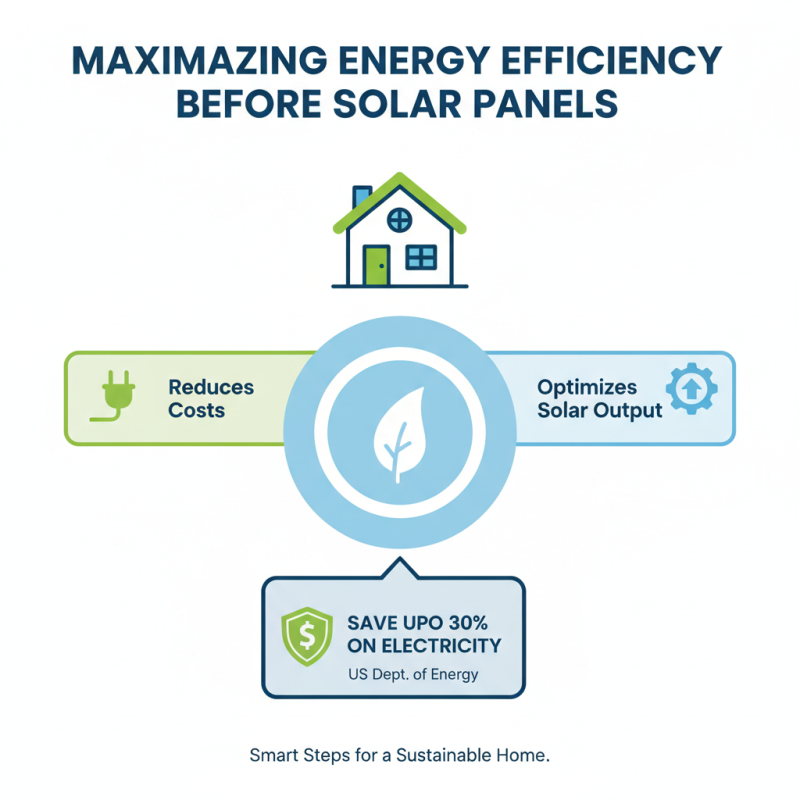
Before diving into solar panel installation, consider maximizing energy efficiency. This approach not only reduces costs but optimizes your system's output. According to the U.S. Department of Energy, energy-efficient homes can save up to 30% on electricity costs. This is substantial when factoring in solar panel expenses.
One effective strategy is to conduct a home energy audit. Identifying air leaks, inefficient appliances, and insulation issues can reveal areas for improvement. Addressing these can significantly lower your energy consumption before solar installation. The American Council for an Energy-Efficient Economy highlights that simple upgrades, like sealing gaps and using LED lighting, can lead to savings of $200 annually.
Additionally, investing in smart home technology can further enhance energy management. Devices such as smart thermostats and energy monitors allow homeowners to track and reduce usage. That said, initial costs can present a barrier for some. Yet, the long-term savings from reduced energy bills often outweigh these upfront investments, making it a worthwhile pursuit.
The Role of Solar Maintenance in Reducing Long-Term Costs
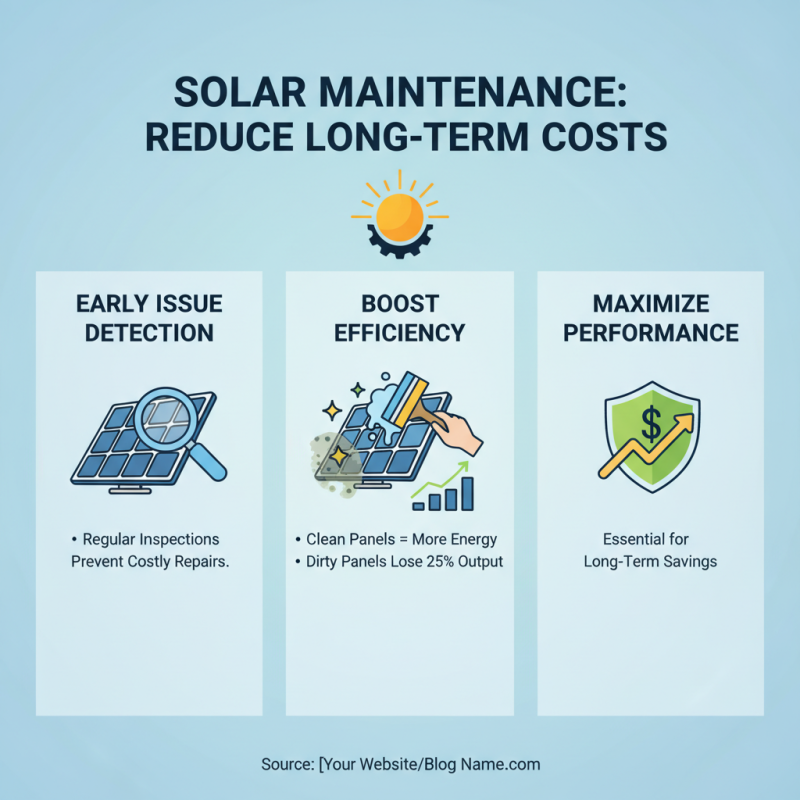
Solar maintenance plays a crucial role in reducing long-term costs. Regular inspections can identify issues early. This can prevent costly repairs down the line. Simple tasks, like cleaning solar panels, can boost their efficiency. Dirty panels may lose up to 25% of their energy output. Keeping them clean is essential for performance.
Investing in maintenance not only lowers costs but also extends system lifespan. Many homeowners overlook this aspect. They might assume solar systems require little attention. In reality, components like inverters and batteries need periodic checks. Neglecting them can lead to inefficient operation and diminished savings.
Moreover, understanding the warranty terms can save money. Some warranties require proof of regular maintenance. Failing to provide this might void your coverage. It’s wise to document all maintenance activities. This information can be valuable in case of future claims. Engaging with a professional for routine maintenance could seem expensive. However, the long-term benefits and savings outweigh the initial costs.