How to Start a Successful Solar Business in 2026?
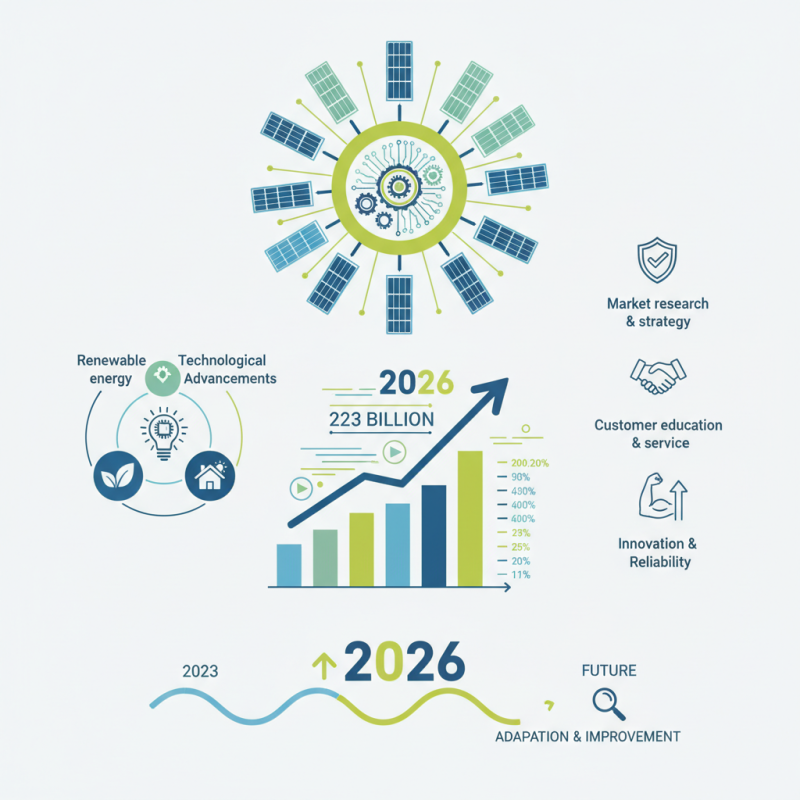
The solar business is rapidly growing, with projections indicating a market size of over $223 billion by 2026. This growth is driven by increased demand for renewable energy sources and technological advancements in solar panel efficiency. Consumers are becoming more environmentally conscious, pushing businesses to adapt to sustainable practices.
In 2023 alone, solar installations surged by 20%, highlighting the urgency for new entrants in the solar market. However, the landscape is competitive, filled with challenges such as regulatory barriers and financing difficulties. Aspiring solar entrepreneurs must conduct thorough market research and establish clear business strategies to navigate these complexities.
Establishing a successful solar business requires a vision that balances innovation and reliability. Focusing on customer education and service quality can differentiate new firms from existing players. As the industry matures, businesses must continuously adapt, reflecting on their practices and seeking improvement. Emphasizing these aspects can foster long-term success in an evolving solar market.
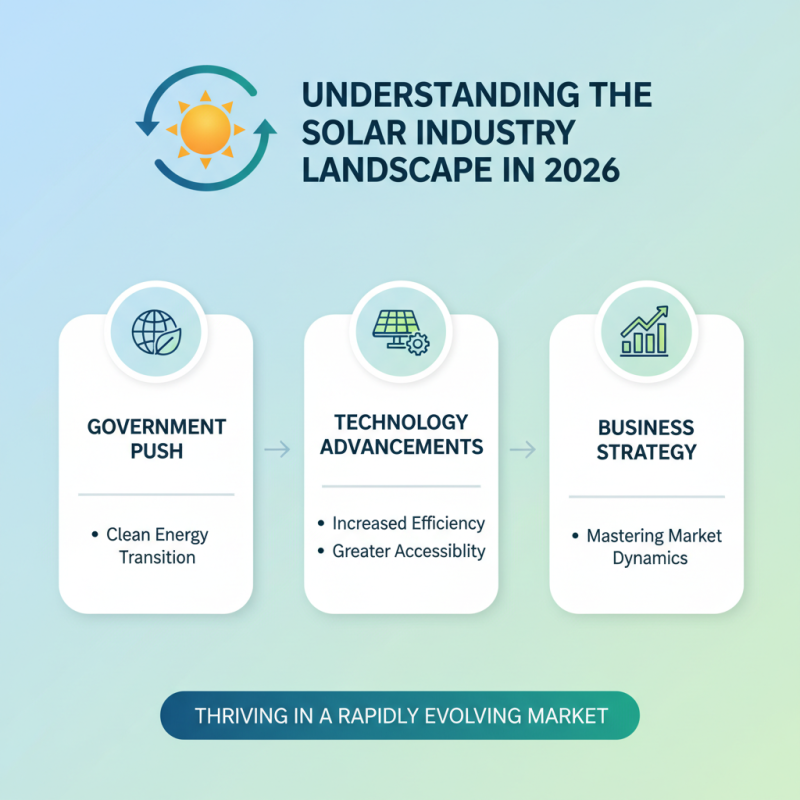
Understanding the Solar Industry Landscape in 2026
In 2026, the solar industry is evolving rapidly. Governments worldwide push for clean energy transitions. Solar technology is advancing, making systems more efficient and accessible. Businesses must understand market dynamics to thrive.
Consumer awareness about sustainable energy is increasing. Many seek eco-friendly solutions. However, competition is fierce, and not all solar products deliver on promises. Analyzing customer needs and market gaps is crucial for success.
Partnerships will become essential. Collaborating with local governments and organizations can enhance credibility. Regular training for your team ensures they stay updated on trends.
Despite opportunities, challenges persist. Installation costs can be high, and regulations vary by region. Navigating these complexities requires careful planning. Engaging with potential customers and gathering feedback is vital for improving services.
Identifying Key Opportunities and Market Trends for Solar Businesses
The solar industry is poised for significant growth in 2026. Understanding key opportunities and market trends is essential for success. One major trend is the rising demand for renewable energy. As homeowners seek sustainable solutions, solar businesses must adapt to this shift.
Tips: Stay informed about local policies. Incentives can dramatically affect customer interest. Providers must also offer tailored solutions. Not all homes are the same. A one-size-fits-all approach can lead to missed opportunities.
Another area of growth is technology. Innovations in solar panels and storage solutions are changing the landscape. Embrace advancements such as smart grid technology. Offer customers value through efficiency and savings. However, always evaluate the return on investment. High-tech options can result in higher installation costs.
Investing in customer education is crucial. Many potential clients lack knowledge about solar benefits. Create informative content and host workshops. Be approachable and transparent. Trust is a key factor in building lasting relationships. Remember, challenges may arise, even with a solid plan. Adaptability will be your ally in navigating this evolving market.
Solar Energy Market Opportunities in 2026
Developing a Comprehensive Business Plan for Your Solar Venture
Creating a solid business plan is crucial for a successful solar business in 2026. Start with market research. Understand the local demand for solar power. Identify your target customers. This can include homeowners, businesses, and government sectors. Analyze your competitors’ strengths and weaknesses. This will help you carve your niche.
Next, focus on financial projections. Outline your startup costs. Include equipment, installation, and marketing expenses. Understand your pricing strategy. How will you attract clients while ensuring profitability? A clear budget helps manage cash flow. Seek grants or loans that support green businesses. Consider potential risks and challenges. Reflect on what could go wrong. Having contingency plans is essential.
Your marketing strategy must be robust as well. Utilize social media and local advertising. Highlight the benefits of solar energy. Educate potential customers about savings and environmental impact. Create partnerships with local organizations. They can help spread the word. Stay adaptable and open to feedback. This will help you refine your approach over time. A comprehensive business plan will guide you, but be ready to adjust as the market evolves.
Establishing Partnerships and Securing Funding for Solar Projects
Establishing partnerships is crucial for any solar business aiming for success. Collaboration with industry stakeholders can enhance credibility and expand your network. Start by identifying local contractors, environmental organizations, and government entities. These relationships can provide valuable insights and resources. Working together can lead to shared projects that benefit all parties involved.
Securing funding is another significant challenge. Financial support can come from various sources. Consider applying for grants or seeking investments from green energy-focused funds. Crowdfunding can also be effective, as it engages the community and raises awareness. It is essential to present a solid business plan. Investors need to see the potential for returns. Be prepared to answer tough questions about risks and market competitiveness.
Reflecting on these steps is vital. Not every partnership will yield results, and some funding avenues may not align with your vision. Learning from unsuccessful attempts can guide future strategies. Keep an open mind and adjust your approach based on feedback. Building a solar business requires persistence and adaptability.
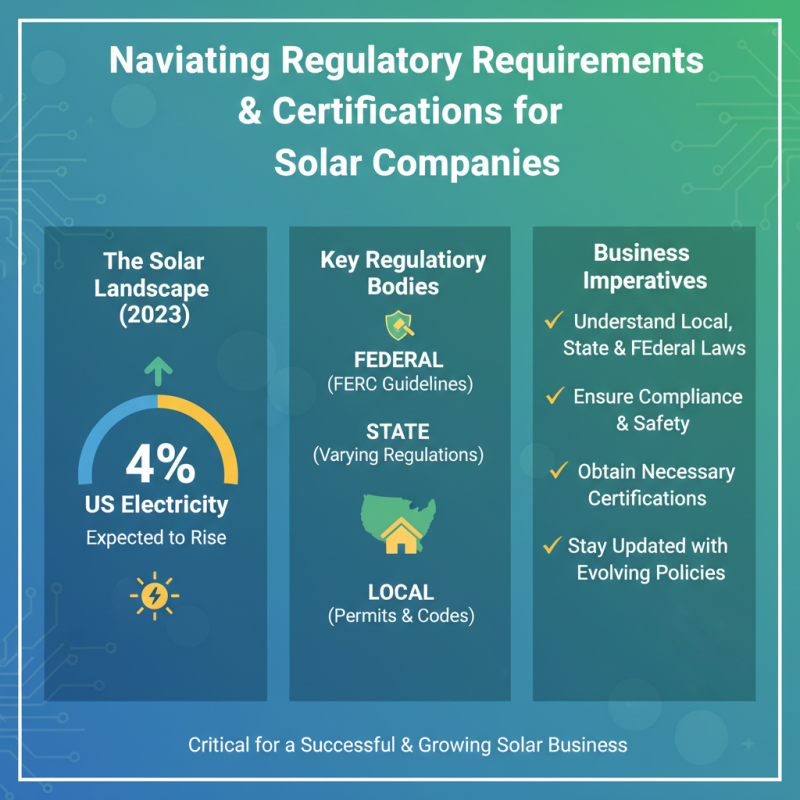
Navigating Regulatory Requirements and Certifications for Solar Companies
Navigating regulatory requirements and certifications is critical for a successful solar business. As of 2023, the solar industry accounts for around 4% of the total U.S. electricity generation. However, this figure is expected to rise as policies evolve. Businesses must understand local, state, and federal regulations. Familiarity with the Federal Energy Regulatory Commission's guidelines is a must.
Certification also plays a key role. The North American Board of Certified Energy Practitioners (NABCEP) offers recognized credentials. These certifications enhance credibility, reflecting a company's commitment to quality and sustainability. According to a recent report, companies with NABCEP certification see a significant increase in customer trust and sales.
Another layer involves environmental permits. Each state has unique requirements that can impact project timelines. Some businesses face penalties for non-compliance. It's essential to stay updated on changes in legislation. Engaging with local regulatory bodies can help. Getting started may feel overwhelming, but those who invest time in understanding regulatory landscapes often find long-term benefits.