2026 How to Maximize Power Energy Efficiency in Your Home?
In an era of rising energy costs, maximizing power energy efficiency in your home has become essential. Many people overlook small changes that can lead to significant savings. Simple adjustments to habits and home systems can make a big difference. For example, installing LED lighting can reduce energy consumption dramatically. Yet, many still use traditional bulbs, unaware of the benefits.
Moreover, smart home technology can enhance power energy management. Devices like smart thermostats can optimize heating and cooling. However, some homeowners hesitate to embrace these technologies. They worry about initial costs or complexity. These concerns can prevent substantial long-term savings.
It's important to reflect on our daily practices. Are we aware of how our energy use affects our budgets and the environment? Small, mindful changes can lead to a more sustainable lifestyle. Engaging with the latest advancements in energy efficiency could transform our homes into examples of modern living.
Understanding Energy Efficiency in Home Systems
Understanding energy efficiency in home systems is crucial for reducing energy consumption. According to the U.S. Department of Energy, homes can lose 30% of their energy efficiency through poor insulation and outdated systems. This loss often goes unnoticed. Small changes can lead to substantial savings.
Heating and cooling are major energy consumers. Recommendations suggest regular maintenance and upgrades. The Environmental Protection Agency states that ENERGY STAR-certified systems use 20-30% less energy. Yet, many homeowners delay decisions. Applying simple adjustments can enhance comfort and reduce costs.
Lighting is another area needing attention. LEDs consume up to 75% less energy than traditional bulbs. Still, many homes rely on outdated lighting. Simple shifts to energy-efficient options can make a significant difference. The challenge lies in awareness and willingness to change. Homeowners often stick to old habits, missing out on potential benefits.
2026 How to Maximize Power Energy Efficiency in Your Home? - Understanding Energy Efficiency in Home Systems
| Energy System |
Efficiency Rating (%) |
Estimated Annual Savings ($) |
Upgrade Cost ($) |
| LED Lighting |
80 |
150 |
500 |
| High-Efficiency HVAC |
95 |
700 |
3,000 |
| Smart Thermostat |
N/A |
180 |
250 |
| Energy Star Appliances |
25 |
300 |
1,000 |
| Solar Panels |
20 |
1,200 |
10,000 |
Identifying High-Consumption Appliances and Their Impact
Identifying high-consumption appliances is crucial for improving energy efficiency at home. Many homeowners are unaware of how much electricity their devices consume. For instance, an old refrigerator can use twice the energy compared to a new model. Kitchen appliances, like microwaves and ovens, also contribute significantly to energy bills. Understanding their consumption can lead to smarter choices.
You might find it surprising that your laundry machine is also a major energy hog. Using it during off-peak hours can sometimes save money, but it may still rack up costs. Consider the practice of air-drying clothes. Though it takes longer, it saves energy and extends the life of your clothes.
Reflecting on your habits is essential. Are you leaving devices plugged in when not in use? This "phantom load" can account for a significant portion of your electricity bill. Unplugging chargers and turning off lights can be simple yet effective shifts in behavior. Recognizing these high-consumption appliances and their impacts encourages accountability and drives change in your energy usage habits.
Implementing Smart Home Technology for Energy Management
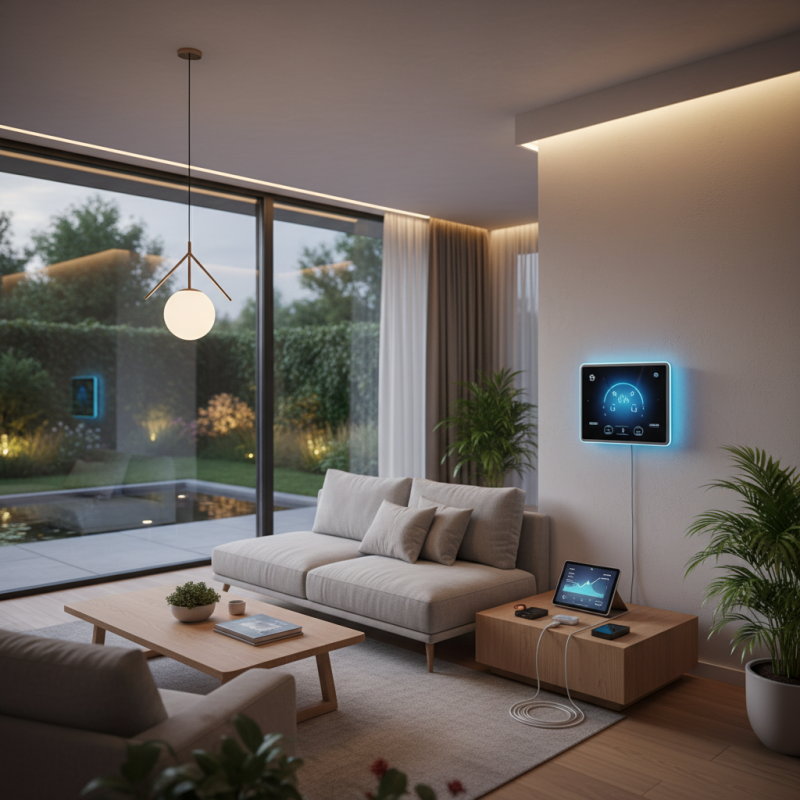
Smart home technology is revolutionizing energy management in our homes. By using devices like smart thermostats and lighting systems, homeowners can optimize their energy usage. Imagine a thermostat that learns your schedule. It adjusts the temperature automatically, saving energy when you are out. This can lead to lower energy bills, but does it always work seamlessly?
Lighting systems equipped with motion sensors can turn off lights when no one is in the room. This may seem simple, yet it represents a significant shift in energy conservation. However, some may find that these systems need tuning. Sometimes, lights may turn off too early or fail to detect movement. Frustration can arise, and adjustments may be necessary for perfect functionality.
Moreover, using smart outlets can control devices remotely. You can easily check if you've left appliances on. But, relying solely on this tech can have drawbacks. If the system fails or goes offline, you could end up using more energy than intended. Balancing technology with traditional habits is crucial. Keeping this balance ensures that smart home tech truly enhances energy efficiency.
Exploring Renewable Energy Sources for Residential Use
When considering renewable energy sources for residential use,
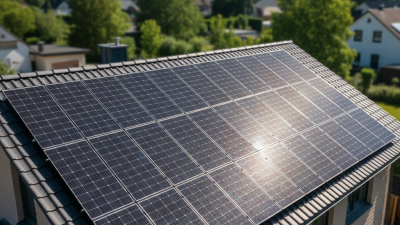
solar power stands out. A report from the International Renewable Energy Agency (IRENA) indicates
that solar energy can potentially cover 80% of global electricity needs by 2050.
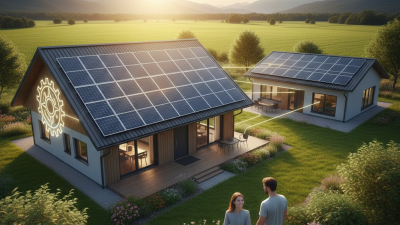
Harnessing sunlight helps reduce electricity bills and lowers carbon footprints.
Wind energy is another viable option. According to the U.S. Department of Energy, residential wind turbines can produce enough energy for a household, particularly in windy areas. Implementing wind energy requires careful site selection and investment but can greatly enhance energy efficiency.
Tips: Consider installing solar panels on your roof. Evaluate your home's sun exposure before investment. For wind energy, check local zoning regulations. Always assess whether your investment aligns with your energy needs.
Exploring geothermal energy is worthwhile too. Geothermal systems tap into the earth’s heat to warm homes. However, installation costs can be high, and not every home may have suitable conditions. Balancing initial costs against long-term benefits is essential.
Investing in these technologies may seem daunting. Homeowners should weigh benefits against potential issues. Ensure you understand local regulations and conditions before committing.
Best Practices for Insulation and Heating/Cooling Optimization
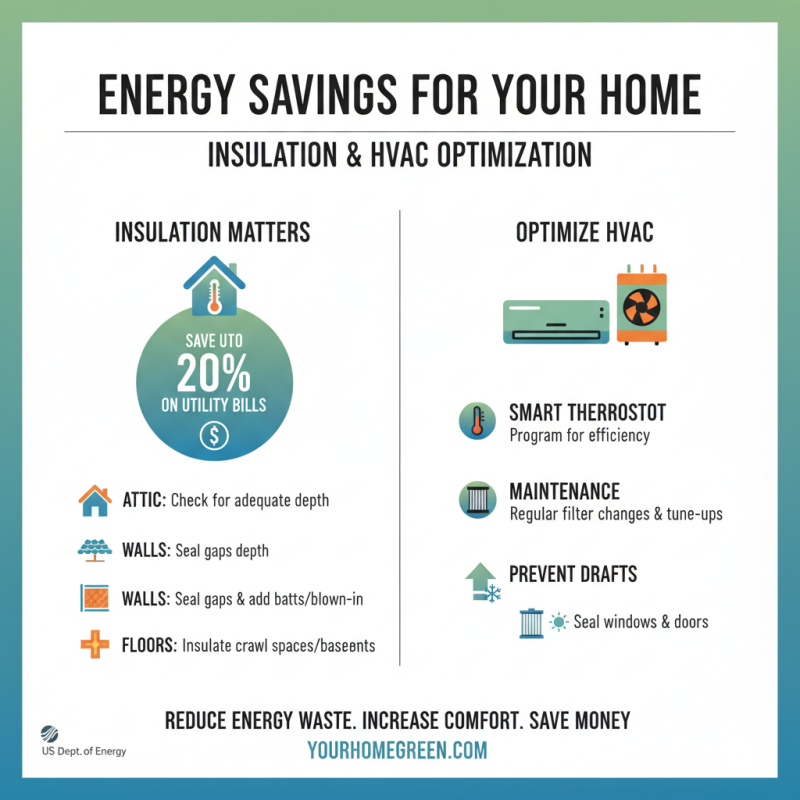
Optimizing energy efficiency in your home can significantly reduce costs. Insulation plays a crucial role. According to the U.S. Department of Energy, proper insulation can save homeowners up to 20% on heating and cooling bills. Many older homes lack adequate insulation. It’s essential to check the attic, walls, and floors. Improper insulation can lead to drafts and energy loss.
Heating and cooling systems need optimization too. Regular maintenance can boost efficiency by 10-15%. The average homeowner spends about $2,200 annually on energy bills. Simple actions, like sealing ductwork, can help lower this. Only 20% of efficiency issues are addressed during routine checks. Homeowners often overlook small leaks, which can add up to significant losses over time.
Implementing smart thermostats is another way to improve energy use. These devices can reduce heating costs by up to 10%. However, incorrect programming can waste more energy than intended. Homeowners should educate themselves about the technology. It's not just about installing devices but understanding how to utilize them effectively.