Top Benefits of Home Solar Power for Sustainable Living
Home solar power stands out in our quest for sustainable living. According to the U.S. Department of Energy, solar energy is one of the fastest-growing sources of electricity. In 2022, solar accounted for 47% of new power installations. This shift benefits the environment and homeowners’ wallets. However, the transition is not without challenges.
Many people worry about the initial costs of installation. While it can be high, tax incentives can significantly offset these expenses. Moreover, solar panels can increase home value by approximately 4.1%. Energy independence is another key advantage. Generating your power reduces reliance on fossil fuels, but not everyone has the same access to technology.
Despite these benefits, some may find solar panels unappealing or complex. Understanding maintenance is crucial. Panels require occasional cleaning. There is also a need to scrutinize the conditions and space available for installation. Home solar power can simplify energy bills but demands careful consideration.

Benefits of Home Solar Power: Overview of Sustainable Energy Solutions
Home solar power offers numerous benefits for sustainable living. Transitioning to solar energy can reduce reliance on fossil fuels. According to the U.S. Energy Information Administration, solar energy production increased by over 20% in 2021. This growth means more homes can use clean energy sources. Solar panels can lower electricity bills significantly in the long run. Many homeowners report reductions of 50% or more.
Utilizing solar power also helps reduce carbon footprints. The National Renewable Energy Laboratory states that each solar panel can prevent over 1,000 pounds of carbon dioxide emissions annually. This number is compelling, yet the effectiveness of panels can waver based on geographic location. Some areas receive less sun, affecting energy generation potential.
Investing in solar energy entails initial costs. While costs have dropped significantly, some still find it challenging. The average price per watt for residential solar systems remains around $3.00. Financial incentives can help, but not everyone is aware of these options. It is essential to weigh the upfront investment against long-term savings and eco-benefits.
Cost Savings from Solar Energy: Understanding Financial Benefits for Homeowners
The financial benefits of home solar energy are significant. Homeowners can save on their electricity bills. According to the Solar Energy Industries Association, households can cut costs by up to 50% annually. Even in areas with less sunlight, solar panels can yield substantial savings over time.
Initial installation costs may appear daunting. However, many states offer tax incentives and rebates. These can reduce upfront expenses by thousands of dollars. Homeowners should evaluate local incentives that could apply. This ensures they maximize their investments.
Tips: Consider financing options. Many companies provide installment plans. This makes solar energy accessible even without substantial upfront funds. Additionally, assess your home's solar potential. Roof orientation and shading can impact efficiency. It's crucial to conduct a proper assessment before installation. Remember, not all homes are ideal candidates for solar power.
Environmental Impact: Reducing Carbon Footprint with Solar Power Systems
Home solar power significantly reduces your carbon footprint. By converting sunlight into energy, solar systems limit reliance on fossil fuels. This transition helps mitigate climate change. In fact, homeowners can cut their emissions dramatically by harnessing renewable energy.
Tips: Consider evaluating your roof’s sunlight exposure. Not all homes are equally suited for solar panels. Look for any trees or obstructions that can cast shadows. Every inch counts when it comes to solar energy efficiency.
Another advantage of solar power is financial savings. Once installed, the electricity generated can eliminate utility costs. However, initial investment and maintenance can pose challenges. It's essential to weigh these factors carefully.
Tips: Research local incentives for solar energy installation. Many regions offer grants or tax credits. These can significantly offset costs and make solar power more accessible. Always keep in mind that perfect conditions are rare; adapting to your specific situation is crucial.
Energy Independence: How Solar Power Enhances Energy Security for Homes
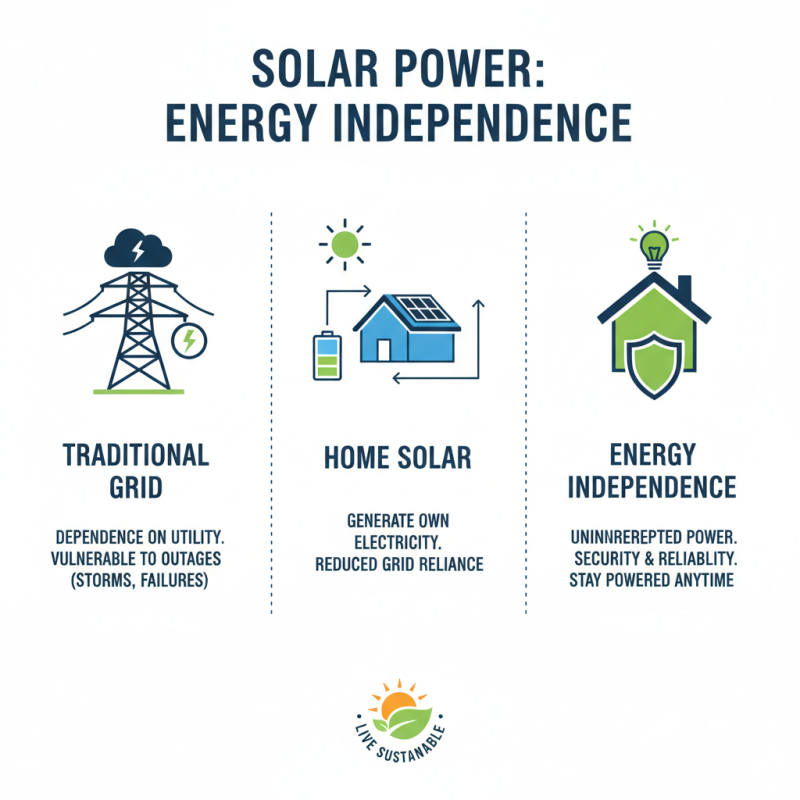
Solar power offers a unique advantage for homes. It provides energy independence. When a home generates its own electricity, reliance on the grid decreases. This means less vulnerability to power outages. Power outages can occur due to storms or system failures. With solar, homeowners can stay powered, even during these events.
Moreover, generating clean energy leads to increased energy security. Solar panels can function even during peak energy demand. This reduces stress on the overall energy system. It’s empowering to know your home can sustain itself. However, challenges exist. Initial installation costs can be high. Some homes may lack optimal sun exposure. These factors need careful consideration.
Despite these hurdles, many find solar installation worthwhile. It encourages sustainable living habits. Homeowners begin to prioritize energy efficiency. They might adjust their usage patterns. The shift towards renewable energy sources is significant. Solar power isn't just a trend; it represents a lifestyle change. Embracing it might require some effort, but the benefits are profound.
Government Incentives: Financial Support and Tax Benefits for Solar Adoption
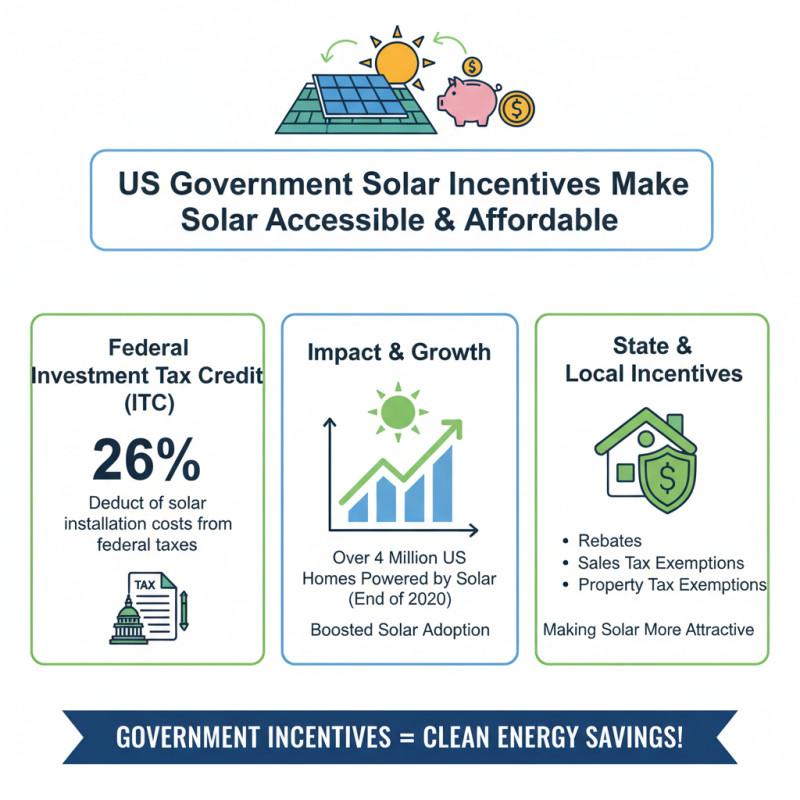
Government incentives play a crucial role in making solar energy more accessible and affordable for homeowners. In the U.S., the Federal Investment Tax Credit (ITC) allows homeowners to deduct 26% of their solar installation costs from their federal taxes. According to the Solar Energy Industries Association, this credit has significantly boosted solar energy adoption, leading to over 2 million U.S. homes harnessing solar power by the end of 2020. Additionally, many states offer rebates and sales tax exemptions, making solar systems even more attractive.
Tips: Research local incentive programs. Some areas provide grants or low-interest loans for solar installations. Check your state's energy department for specific offerings.
Despite the financial advantages, some homeowners remain hesitant about transitioning to solar energy. They worry about the upfront costs and installation disruptions. Reports indicate that while average installation costs for solar panels have dropped by more than 70% since 2010, initial expenses can still be daunting. It's essential to weigh the long-term savings against these hurdles.
Tips: Consider financing options. Many companies offer payment plans that can ease the burden of upfront costs.
To truly benefit from government incentives, homeowners need to stay informed. Understanding eligibility and terms is vital. Incentives can vary by location and may change over time. Regularly review your local policies to ensure that you are maximizing your benefits.