How to Find Better Solar Solutions for Your Business Needs?
Finding the right solar solutions is critical for businesses today. According to Dr. Emily Reed, a leading expert in renewable energy, "Embracing better solar options can transform your energy strategy." This highlights the importance of focusing on efficiency and sustainability. As businesses strive to cut costs and reduce their carbon footprints, better solar solutions can provide significant benefits.
In exploring better solar alternatives, companies need to assess their unique energy requirements. Different systems serve different purposes, and not every solar solution will fit every business. For example, a small retail shop may have distinct needs compared to a large manufacturing plant. Identifying these needs is the first step in the journey toward better solar energy.
Moreover, potential pitfalls exist in the decision-making process. Many businesses rush to adopt solar technology without doing thorough research. This can lead to unsatisfactory results. Finding better solar solutions involves collaboration with trusted suppliers and experts. Building genuine partnerships enhances the possibility of success. Seeking out innovative technologies tailored to specific applications can be a game changer for many organizations.
Understanding Your Business's Energy Needs and Goals
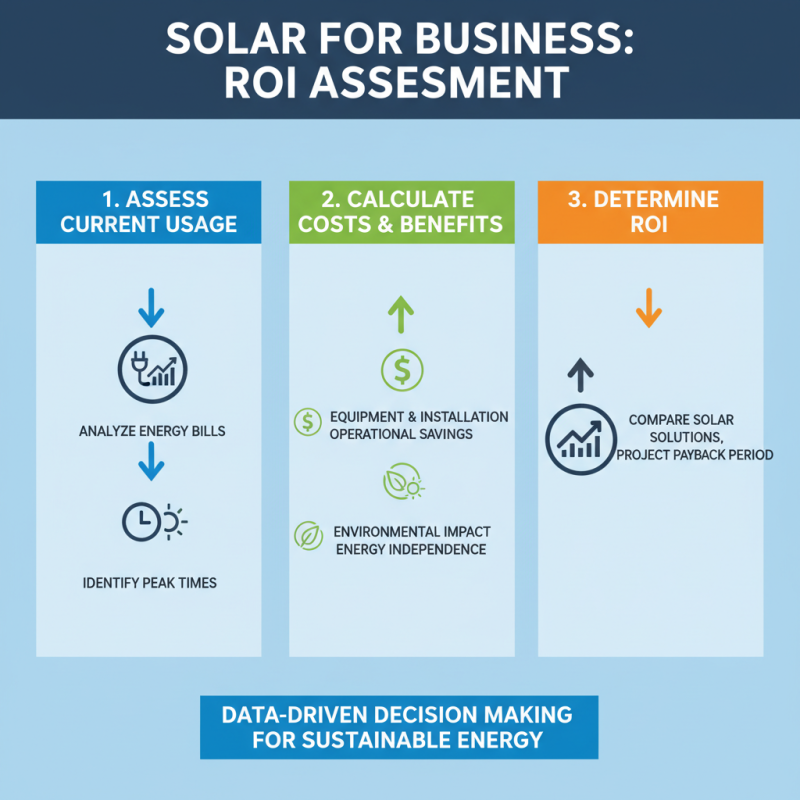
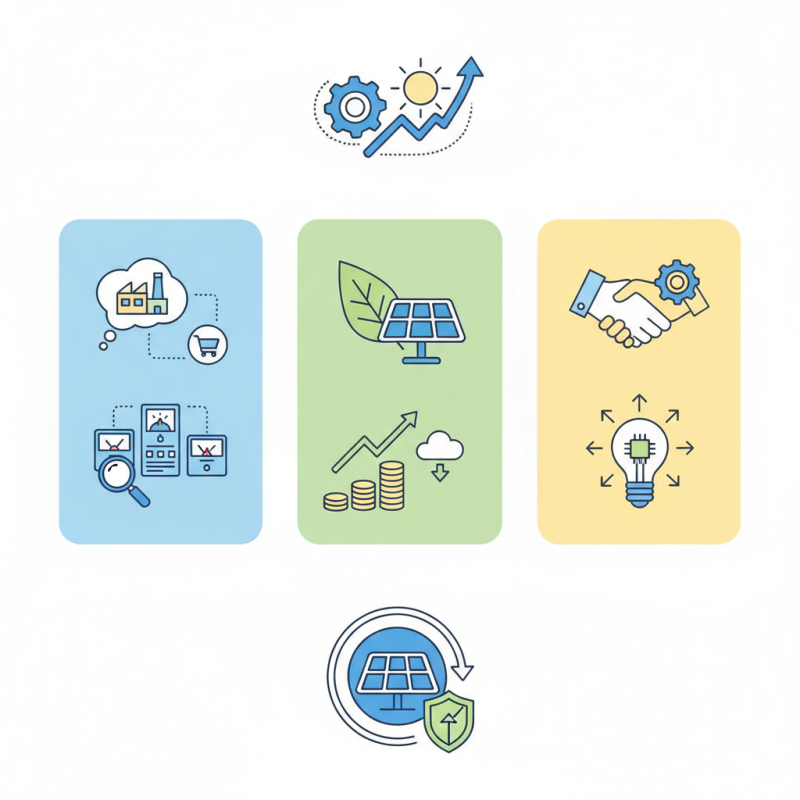
Understanding your business's energy needs is crucial for effective solar solutions. Businesses often overlook specific consumption patterns. According to the U.S. Energy Information Administration, commercial buildings account for about 18% of total energy consumption in the U.S. Analyzing your peak usage times can uncover your most critical energy demands.
Set clear energy goals. Do you prefer to reduce costs, lessen carbon emissions, or both? A tailored approach is vital. Reports from the Solar Energy Industries Association indicate that businesses adopting solar can save up to 75% on electricity bills. However, misalignment between energy needs and solar capacity can hinder progress. Some companies invest in systems that don’t meet their unique consumption patterns, leading to wasted resources.
Evaluating your energy requirements takes time. Gather data on your monthly energy bills and usage trends. Engage with energy auditors to pinpoint areas for improvement. Remember, not every business is the same. Tailoring solutions to your unique needs enhances efficiency, leading to potentially substantial long-term savings. Invest the effort to understand your energy landscape; it is essential for real success in leveraging solar energy.
Evaluating Different Types of Solar Solutions Available
When evaluating different types of solar solutions available for your business, start by examining your energy needs. Consider factors like your monthly energy consumption and peak usage times. This helps narrow down suitable options.
Think about the size of your facility. Larger spaces may benefit from solar rooftops, while smaller businesses might opt for solar panels or portable solutions. Also, assess the available sunlight on your property. Less sunlight might lead to lower efficiency, which impacts your investment.
Tips to remember: Prioritize reliability when choosing a solar provider. Look for certifications that indicate experience and expertise. Take time to read reviews and case studies from similar businesses. Also, explore financing options. Some solutions may require high upfront costs, making it important to find options that fit your budget.
Not all solar solutions work for every business. Some may promise high efficiency but may not deliver in your specific conditions. Be open to exploring less popular options that may better suit your needs.
How to Find Better Solar Solutions for Your Business Needs?
| Solar Solution Type |
Description |
Estimated Cost (per kW) |
Efficiency (%) |
Payback Period (Years) |
| Monocrystalline |
High efficiency and longevity, ideal for limited space. |
$2,000 |
18-22 |
5-7 |
| Polycrystalline |
Lower cost, slightly less efficient, suitable for larger installations. |
$1,800 |
15-20 |
6-8 |
| Thin-Film |
Lightweight and flexible, lower efficiency but can be applied to various surfaces. |
$1,200 |
10-15 |
7-10 |
| Bifacial |
Captures sunlight from both sides, increasing energy generation. |
$2,500 |
20-25 |
4-6 |
Researching and Comparing Solar Providers and Installers
When researching solar providers and installers, it’s crucial to focus on their experience. Look for companies that have a strong portfolio and years of proven track records. Ask for references from past clients to gauge their reliability. Speaking directly to previous customers can reveal a lot about their satisfaction levels. They can provide insights into the installation process and after-sales support.
Comparing different installers can be overwhelming. Create a checklist of what you value most. This can include pricing, warranty terms, and service offerings. Some companies may promise low costs but skimp on quality. Review online ratings and comments to gain a broader perspective. Such information can highlight both strengths and potential weaknesses of a provider.
Take note of customized solutions. Not all businesses have the same energy needs. A good installer should assess your specific situation before recommending a system. They should discuss potential savings and ROI clearly. Beware of overly aggressive sales tactics. Trustworthy professionals will educate rather than push. Ultimately, a well-informed choice will lead to better outcomes.
Comparing Solar Providers: Cost per Watt and Warranty Period
Implementing and Maintaining Your Chosen Solar Solution
Implementing a solar solution for your business is not just a one-time decision. It requires careful planning and ongoing maintenance to ensure optimal performance and longevity. A recent industry report by the National Renewable Energy Laboratory indicated that solar panels can lose approximately 0.5% of their efficiency each year due to degradation. Thus, it's crucial to monitor system performance regularly.
Routine inspections should be part of your maintenance strategy. Dust, debris, and even bird droppings can affect your panels' efficiency. Cleaning panels can boost energy output by up to 20%, as per findings from the Solar Energy Industries Association. However, not all businesses have the resources or knowledge for this maintenance. Hiring professional services can enhance system reliability and efficiency.
Implementing a monitoring system plays a vital role. Smart technologies can track energy production in real-time. If production dips unexpectedly, troubleshooting becomes easier. A Department of Energy report highlighted that proactive system management could reduce repair costs by 25%. Yet, many businesses overlook this aspect. Regular data analysis helps businesses to maximize their solar investments and adapt to changing energy needs.