How to Save Power Energy at Home Efficiently?
In today's world, energy efficiency at home is crucial. Renowned power energy expert Dr. Emily Nguyen once stated, “Every small change in your home can lead to significant energy savings.” This insight emphasizes the importance of understanding how our daily habits impact power energy consumption.
It’s easy to overlook how much energy we waste. Simple tasks, like leaving lights on, accumulate excess costs. If we ignore such practices, our bills will remain high. Every family can take steps to lower their power energy usage. Start by being aware of appliances that consume too much energy. Regular maintenance can also make a big difference.
However, changing habits is not always easy. People often overlook their electricity consumption. There is a need for conscious efforts. This is where knowledge and small actions come into play. Implementing changes might feel inconvenient initially, yet the long-term benefits are worth the effort. By being proactive about energy use, we can create a more sustainable home.
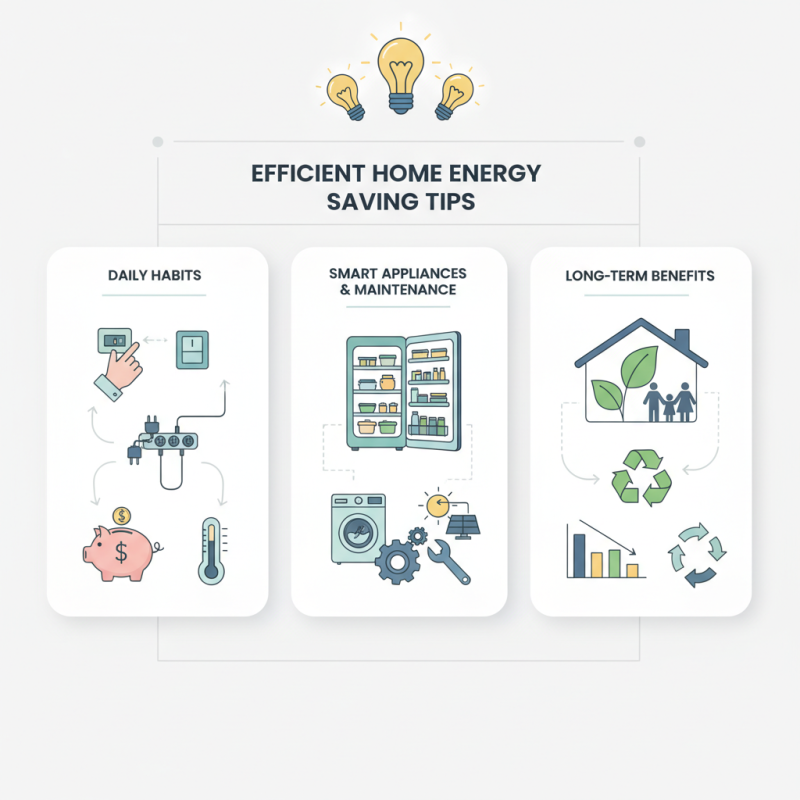
Understanding Home Energy Consumption
Understanding home energy consumption is crucial for conserving power. The U.S. Energy Information Administration reports that approximately 38% of residential energy usage goes to heating and cooling. This highlights the importance of focusing energy-saving efforts in these areas.
**Tip:** Consider using a programmable thermostat. It can reduce energy waste by adjusting temperatures when you’re not home.
Additionally, lighting accounts for about 15% of energy use. Switching to energy-efficient bulbs can make a significant impact. However, many still rely on incandescent bulbs. This choice could lead to unnecessarily high bills.
**Tip:** Opt for LED lights. They use up to 75% less energy and last much longer than traditional bulbs.
Not everyone takes the steps to seal windows and doors. This simple action could minimize drafts and save power. Homes may also have older appliances that drain energy. Regular maintenance can improve their efficiency but often gets overlooked.
Identifying Energy-Hungry Appliances in Your Home
Identifying energy-hungry appliances in your home can be a game changer. Many households rely on various devices daily. Yet, not all of them are equally efficient. Start by listing your major appliances. This includes refrigerators, air conditioners, and water heaters. These devices often consume more power than expected.
Check the energy ratings of your appliances. Some older models may devour power. It’s surprising how much energy a single appliance can waste. For instance, an average refrigerator can use hundreds of kilowatt-hours annually. Another point to consider is the usage habits. Do you leave your devices on when not in use? Simple changes can lead to significant savings.
Don’t forget about smaller devices. Chargers, entertainment systems, and even light bulbs can add up. Take a weekend to observe your habits. Pay attention to how often you use each appliance. Every little adjustment counts. Awareness is the first step toward efficiency. The challenge lies in making those changes and staying committed.
Implementing Simple Behavioral Changes for Power Savings
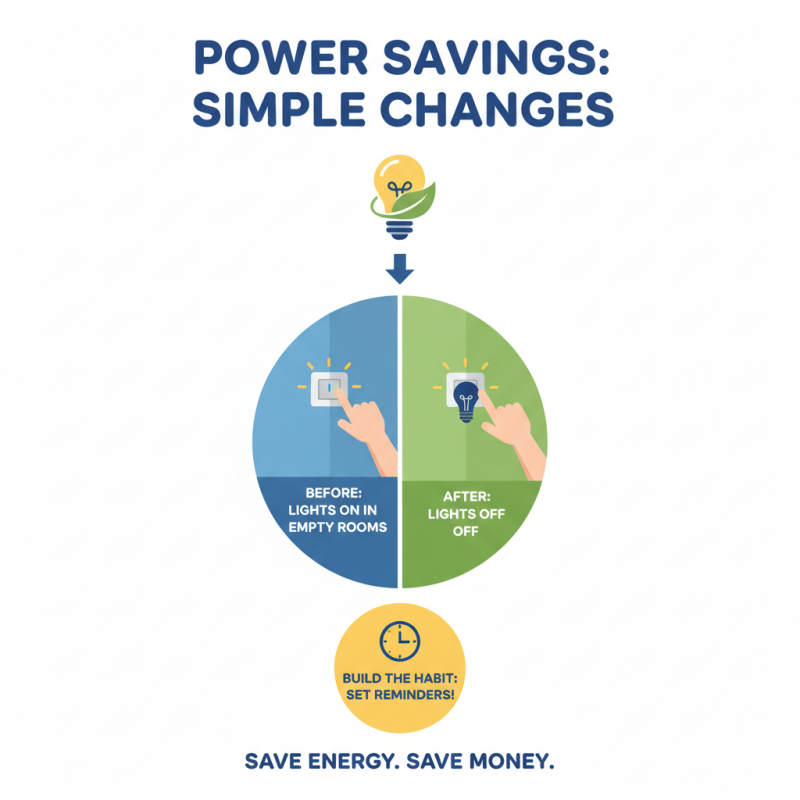
Making small changes can lead to significant energy savings at home. One simple step is to turn off lights in unoccupied rooms. It’s easy to forget, especially when you move from one room to another. Setting reminders can help build this habit.
Adjusting your thermostat can also impact your energy bill. In winter, set it lower and wear warmer clothes. In summer, raise the temperature a bit and use fans instead. It's surprising how little adjustments can make a difference.
Another practical tip is to unplug devices not in use. Many electronics still draw power when plugged in. This “phantom load” can add up. Create a charging station for devices; plug them in when needed, then unplug afterward. Remember, keeping track of your habits can yield powerful insights into energy use.
Utilizing Smart Technology for Energy Efficiency
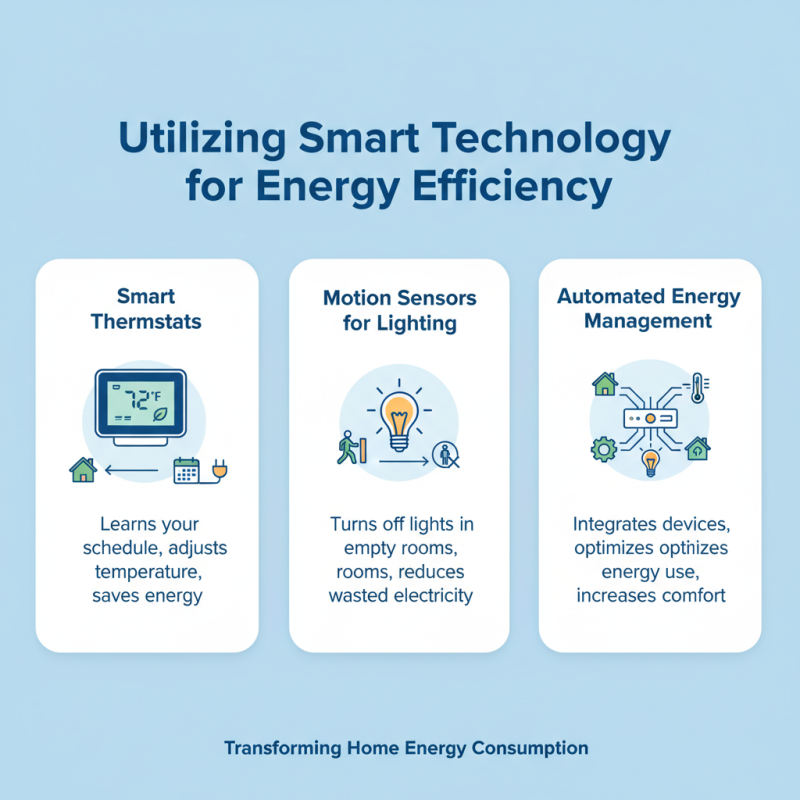
Smart technology is transforming the way we consume energy at home. Automated systems can manage energy use efficiently. Smart thermostats learn your schedule and adjust temperatures accordingly. They help save energy while keeping your home comfortable. Motion sensors can control lights, turning them off when rooms are empty. This simple innovation can lead to significant energy savings.
However, integrating smart technology requires careful planning. You might overspend on devices that don’t meet your needs. Not every room may require the latest gadgets. Sometimes, traditional methods are just as effective. For example, using natural light can reduce reliance on artificial lighting. Furthermore, it's essential to regularly check device settings to ensure optimal performance.
While smart technology can greatly enhance energy efficiency, it’s not a one-size-fits-all solution. Some users may find the setup process confusing and overwhelming. Balancing convenience with practical use is crucial. Each home is different, so evaluate your specific needs. What works for others may not work for you. Thoughtful adjustments and consistent monitoring can lead to more sustainable energy practices at home.
Exploring Renewable Energy Options for Homeowners
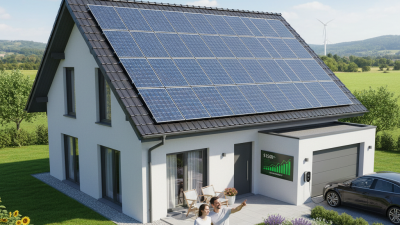
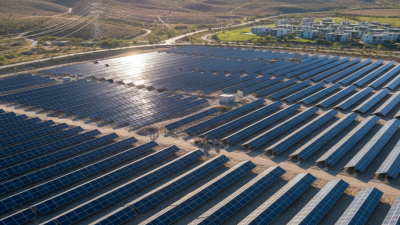
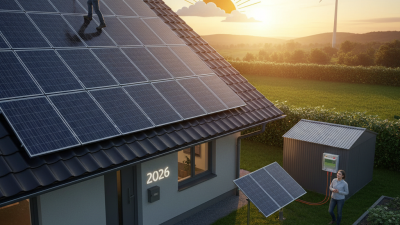
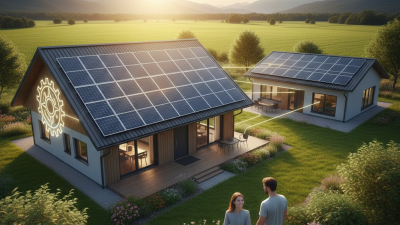
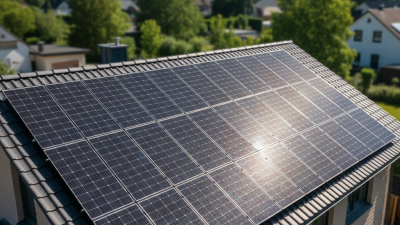
Exploring renewable energy options can significantly reduce energy costs at home. Solar panels are a popular choice. They convert sunlight into electricity, lowering your utility bills. With the right installation, homeowners can power their daily needs sustainably. Wind turbines are another option. A small turbine can generate power, especially in windy areas.
Tips for implementing renewable energy:
Consider the roof space available. It should receive ample sun for solar panels to work efficiently. Research local regulations before installation. Each region has different rules. Understand your energy consumption to select the right system.
Some may find the initial investment daunting. The return on investment can take time. However, incentives might make it more affordable. Each household needs to weigh their options carefully. Embrace the challenge to find what fits best for your situation. You might face issues with energy production in cloudy weather or no wind. These downsides require careful planning.
How to Save Power Energy at Home Efficiently? - Exploring Renewable Energy Options for Homeowners
| Renewable Energy Option |
Potential Savings (%) |
Initial Investment ($) |
Annual Maintenance Cost ($) |
Payback Period (Years) |
| Solar Panels |
20-30% |
15,000 |
300 |
5-7 |
| Wind Turbines |
30-40% |
30,000 |
500 |
7-10 |
| Geothermal Heating |
25-50% |
20,000 |
400 |
5-10 |
| Biomass Systems |
10-25% |
15,000 |
300 |
5-8 |