How to Choose the Best Solar Technology for Your Business?
Choosing the best solar technology for your business can be challenging. With various options available, making an informed decision is crucial. Industry expert Dr. Lisa Green, a leading solar technology consultant, emphasizes, "Understanding your specific energy needs is the first step towards the right choice." This insight serves as a foundation for businesses navigating this evolving landscape.
Solar technology encompasses everything from photovoltaic panels to solar thermal systems. Each type has distinct advantages and drawbacks. The effectiveness of these technologies varies based on location, energy consumption, and budgetary constraints. For instance, some solar panels perform better in certain climates. Additionally, available incentives can impact overall costs.
Many businesses rush this decision. They might overlook important factors like system durability and maintenance requirements. A well-chosen solar technology can yield significant long-term savings and sustainability benefits. However, improper selection can lead to wasted resources and unmet goals. Businesses should seek expert guidance and conduct thorough research to optimize their choices in solar technology.
Understanding the Different Types of Solar Technologies Available
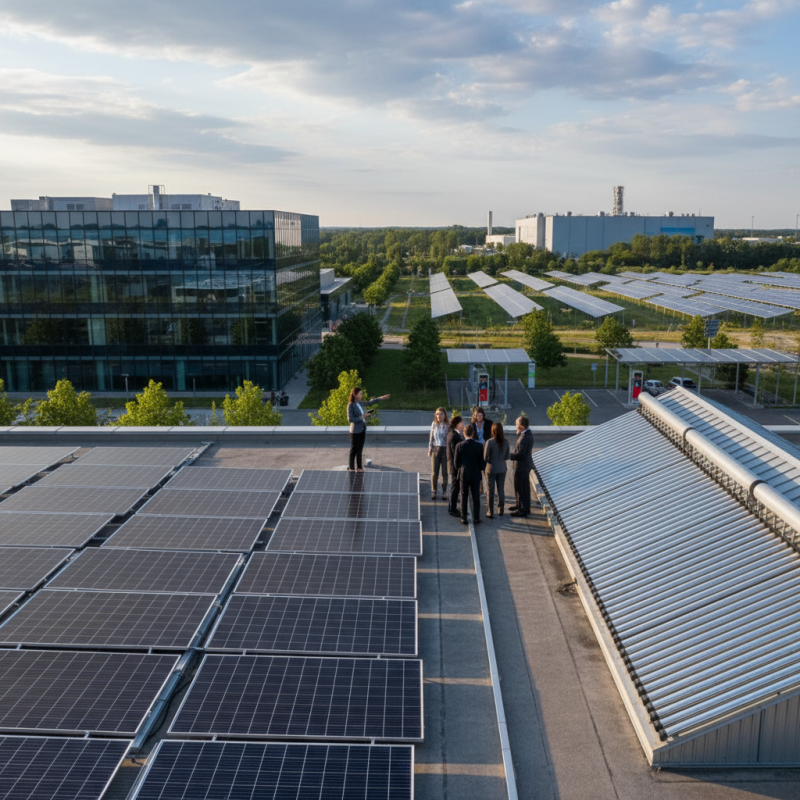
When choosing solar technology for your business, understanding the different types available is essential. There are primarily three types: monocrystalline, polycrystalline, and thin-film. Each has its pros and cons. For instance, monocrystalline panels are known for their high efficiency, reaching around 20% to 22%, which is ideal for businesses with limited roof space. However, they can be more expensive upfront.
Polycrystalline panels are a popular choice as they offer a balance between price and efficiency. They typically achieve efficiencies of 15% to 17%. While they may take up more space for the same energy output, they can be a cost-effective solution for larger facilities. Thin-film technology is less efficient, typically under 15%, but is lightweight and flexible, making it suitable for unconventional installations.
Data from the Solar Energy Industries Association (SEIA) indicates a projected growth in commercial solar adoption. By 2025, commercial solar capacity is expected to reach over 25 gigawatts. As businesses weigh their options, it's vital to consider factors like installation space, budget, and energy needs. Some companies find that scaling with thinner options may lead to higher costs in the long run. This decision requires careful thought to avoid pitfalls.
Considerations for Cost and Return on Investment in Solar Technology
When considering solar technology for your business, understanding cost and return on investment (ROI) is crucial. A report by the National Renewable Energy Laboratory notes that companies can save 75% or more on energy bills by investing in solar. This significant reduction can transform operational budgets. However, upfront costs can be a barrier. The average cost of solar installations ranges from $2.50 to $3.50 per watt, which can lead to a total investment of tens of thousands of dollars for larger systems.
It's essential to calculate the payback period. On average, businesses see ROI in 5 to 7 years. However, factors like location, system size, and available incentives affect this period. Many businesses overlook available rebates and tax credits, which can significantly reduce overall costs. The Solar Investment Tax Credit (ITC), for example, allows businesses to deduct a percentage of solar costs from federal taxes. The importance of thorough research cannot be overstated. Each project requires a tailored approach to maximize savings and benefits.
Some businesses may find the initial complexity overwhelming. A common mistake is underestimating maintenance costs and energy projections. Solar technology is evolving, so staying updated is key. Investing in solar should not be a mere trend but a strategic decision based on accurate financial assessments and long-term sustainability goals.
Assessing the Environmental Impact of Solar Energy Choices
Choosing the right solar technology for your business involves more than just cost and efficiency. It is essential to assess the environmental impacts of different options. Every solar solution introduces various effects on our planet. The materials used in solar panels, for instance, can have lasting consequences.
Consider the lifecycle of solar technologies. Some methods may produce energy with lower carbon footprints but use toxic materials. Recycling options for these components are limited. It is crucial to evaluate not only energy output but also waste management. Local regulations can shape the disposal process, adding complexity to your choice.
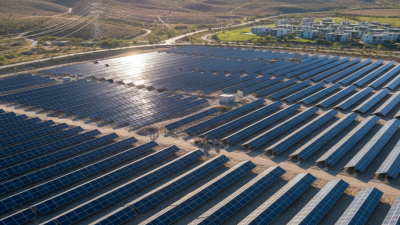
It is also vital to think about land use. Some solar farms require significant space, impacting local ecosystems. This can lead to habitat loss for wildlife. Careful site selection can mitigate some harm. Engage with local organizations to better understand these dynamics. Balancing energy needs with environmental stewardship demands thoughtful decisions. Ultimately, the path to sustainability may involve trade-offs worth exploring.
Selecting a Reputable Solar Installer for Your Business Needs
Choosing a reputable solar installer is crucial for your business. With the right installer, you can maximize energy savings and enhance sustainability. Start by researching local providers who have a strong track record. Check their reviews and testimonials. Speak to other businesses that have used their services. Look for patterns in feedback. This will help confirm their reliability.
Qualifications matter. Ensure the installer is certified and licensed. Experience with commercial installations is a plus. Ask about their past projects. A reliable installer should provide case studies or references. Don’t shy away from asking tough questions. If they hesitate or seem unsure, it might be a red flag.
Consider warranties and after-sales service. A good installer stands behind their work. They should offer a solid warranty and maintenance options. This reflects their confidence in the quality of their installation.
Remember, the cheapest option isn’t always the best. Focus on the value they provide, not just the price. Take your time and choose wisely.