Why Choose a Solar MPPT Controller for Efficient Energy Use?
In a world where energy efficiency is paramount, the choice of a Solar MPPT controller is critical. Renowned solar expert Dr. Emily Bennett emphasizes, "An MPPT controller optimizes the energy output of solar panels, making every ray count." This is especially relevant as more households and businesses turn to solar power for sustainable energy solutions.
The Solar MPPT controller stands out for its ability to track maximum power points. By adjusting the electrical operating point of the panels, it significantly boosts energy harvest. This can lead to a remarkable increase in efficiency, especially in variable weather conditions. However, many still overlook its importance, often opting for simpler controllers, which may not deliver as much performance.
While the initial investment in a Solar MPPT controller may seem daunting, the long-term energy savings can be substantial. Many users report dissatisfaction with their current systems, noting that they could have maximized their solar investments. Reflecting on these issues can lead to a better understanding of how these controllers enhance energy use and sustainability.
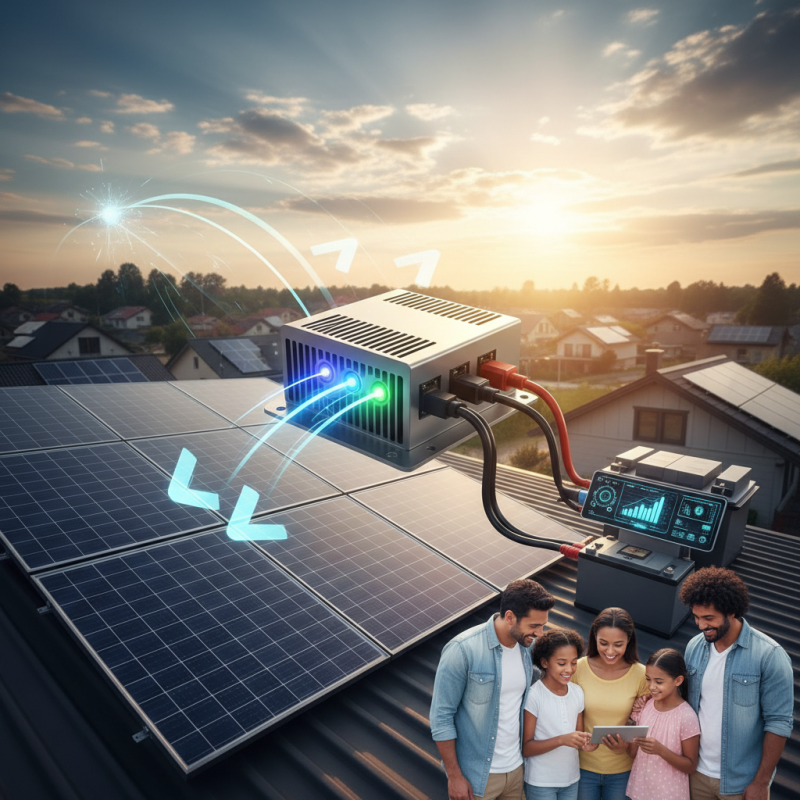
Understanding the Basics of Solar MPPT Controllers
Solar MPPT controllers play a crucial role in optimizing energy use from solar panels. They help convert excess voltage from solar panels into usable energy for batteries. This process is essential for maintaining the efficiency and longevity of a solar energy system.
When understanding how these controllers work, consider their ability to track the maximum power point of solar panels. They adjust the electrical load in real-time. This adjustment drastically boosts energy harvest on cloudy days or during peak sun exposure.
Tips: Regularly inspect your solar panels and controllers. A quick check can ensure they operate efficiently. If you notice any unusual behavior, don't hesitate to consult an expert. Also, consider the environment where your panels are installed. Dust and debris can impact energy production significantly.
Incorporating an MPPT controller into your solar setup means making a sound investment. However, keep in mind it requires proper configuration and occasional troubleshooting. Mistakes, like incorrect wiring, can reduce efficiency. Regular adjustments may become necessary as weather and sunlight conditions change.
The Advantages of Using MPPT Technology for Solar Energy
Solar energy is a powerful resource. However, to tap into its full potential, efficient technology is essential. MPPT (Maximum Power Point Tracking) technology enhances solar system performance. This means capturing more energy from the sun, even in changing conditions. MPPT controllers continuously optimize energy extraction. This adaptability leads to better energy use and savings.
Tips for maximizing solar efficiency: Ensure your solar panels are clean. Dust and debris can block sunlight, reducing performance. Regular maintenance can make a noticeable difference. Also, consider the angle of your panels. Adjusting their position throughout the year can improve energy capture.
An MPPT controller can be a game changer. It adjusts voltage levels automatically. This happens even when sunlight intensity fluctuates. Many users notice increased efficiency, yet some systems may still underperform. It’s important to review system installation and settings thoroughly. Seek advice if uncertain. Often, simple tweaks lead to enhanced output.
How MPPT Controllers Enhance Energy Conversion Efficiency
MPPT controllers play a vital role in solar energy systems. They optimize the amount of energy harvested from solar panels. Unlike traditional controllers, MPPT devices continuously adjust the load to maximize power output. This real-time optimization can lead to significantly higher energy conversion efficiency.
When sunlight fluctuates, MPPT controllers react instantly. This means they can extract the maximum power even when conditions change. For instance, cloudy days or varying temperatures can impact energy production. MPPT ensures that solar panels operate at their peak performance under these changing conditions, which is crucial for efficient energy use.
However, integrating MPPT controllers isn’t always straightforward. They come with their own set of complexities. Installation and configuration may require technical knowledge. Users may face challenges in choosing the right settings. It's essential to understand the specific solar system to achieve optimal results. Through careful planning and adjustments, the benefits of using MPPT technology can be fully realized.
Factors to Consider When Choosing a Solar MPPT Controller
When selecting a solar MPPT controller, several factors require careful consideration. Efficiency is key. MPPT controllers can enhance energy collection by about 20-30% compared to traditional controllers. This increase can make a significant difference in systems with variable sunlight conditions. Growing demand for renewable energy sources underscores the need for reliable technology. Studies project that solar energy capacity will reach over 1,200 GW by 2025, and MPPT technology will be instrumental in maximizing this potential.
Another important aspect is the compatibility with various solar panels. Ensure the controller can work well with your specific setup. Not all panels are created equal, and mismatched systems can lead to reduced performance. Furthermore, monitoring features are vital. A controller that offers real-time data can help users analyze and optimize their energy usage. Yet, some controllers may not provide adequate documentation. Users often find this frustrating when troubleshooting issues.
Installation process matters too. Complex installations can lead to mistakes and inefficiencies. Some controllers are user-friendly, while others are not. It's essential to read reviews from fellow users. They can offer insights into ease of installation and long-term reliability. Power fluctuations in the grid can also impact performance. Choose a controller that can handle such variations effectively. Consider how these factors can improve your overall energy strategy. Careful selection will promote better energy use in the long run.
Future Trends in Solar MPPT Technology and Applications
Solar MPPT technology is evolving rapidly. Advances are making these controllers more efficient. They now feature better algorithms for energy extraction. This means higher energy yields from solar panels. The change is noticeable, especially in areas with variable sunlight.
Future applications could go beyond residential use. Industries may harness MPPT technology for larger scale projects. The integration of smart grids is one such trend. Increased connectivity will optimize energy distribution. However, the complexity introduces potential risks.
As users, we must consider the reliability of these systems. There might be challenges in maintenance and performance monitoring. Emerging technologies should address these concerns. Continuous improvements in MPPT design will likely enhance adaptability. However, we must remain cautious about over-reliance on any single solution.
Why Choose a Solar MPPT Controller for Efficient Energy Use? - Future Trends in Solar MPPT Technology and Applications
| Feature | Traditional Controller | MPPT Controller |
| Efficiency | 70% - 80% | 90% - 98% |
| Cost | Lower initial investment | Higher initial investment but better long-term savings |
| Technology | PWM (Pulse Width Modulation) | Advanced MPPT (Maximum Power Point Tracking) |
| Applications | Basic solar setups | Commercial, residential, and off-grid applications |
| Adaptability | Limited | Highly adaptable to varying conditions |
| Battery Life | Shorter | Longer, due to optimized charging |
