Why Choose PV Solar for Your Energy Needs?
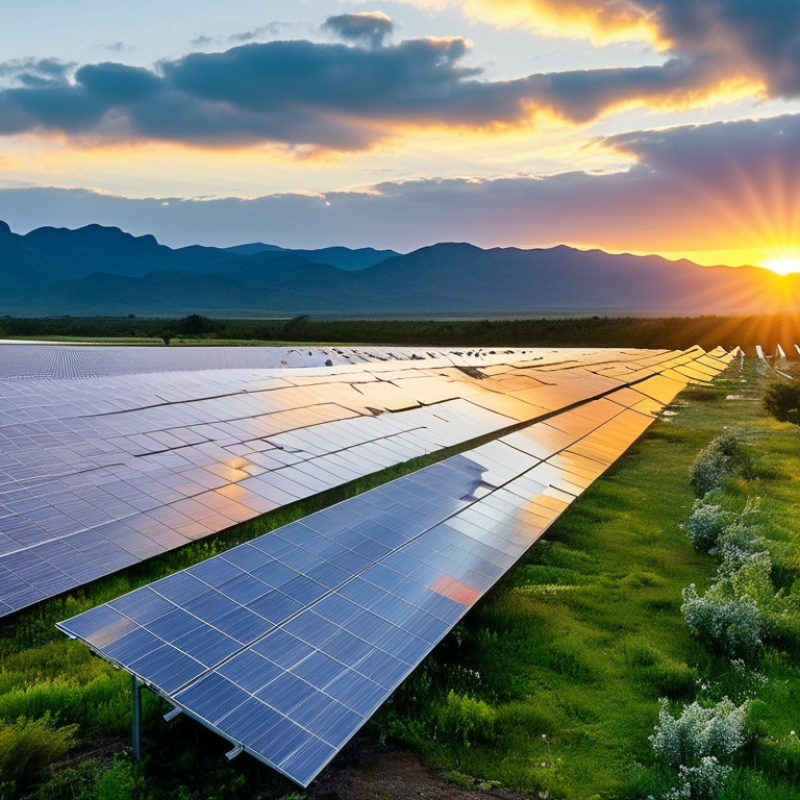
As the world shifts towards sustainable energy, PV solar emerges as a key player. Industry expert Dr. Emily Thompson states, “PV solar technology offers a viable solution to our energy challenges.” Her insights highlight the reliability of PV solar in powering homes and businesses.
PV solar is increasingly favored for its ability to reduce electricity bills and lower carbon footprints. Many consumers are unaware of the long-term savings it can offer. With rising energy costs, this technology is indeed an investment worth considering.
This transition isn’t without its challenges. Start-up costs can be a barrier, and choosing the right system can be overwhelming. However, as Dr. Thompson emphasizes, the benefits often outweigh the initial hurdles. In essence, embracing PV solar is more than just a trend; it is a commitment to a sustainable future.
Benefits of Using PV Solar Energy
Choosing photovoltaic (PV) solar energy can significantly impact your energy consumption. One of the most tangible benefits is cost savings. Once installed, solar panels can lower or eliminate your electricity bills. You can enjoy energy independence and stability as solar energy can shield you from rising utility rates. This financial relief can be especially beneficial during periods of economic uncertainty.
Another advantage is the positive environmental impact. Solar energy is a clean, renewable resource. Using it reduces greenhouse gas emissions. It helps combat climate change and minimize your carbon footprint. However, the environmental benefits can vary depending on manufacturing processes and local conditions. It's crucial to assess these factors when considering solar options.
Lastly, PV solar energy increases property value. Homes equipped with solar panels often attract more buyers. Many see the installed systems as a long-term investment. The upfront costs can be daunting, and not every installation guarantees savings. Reflecting on these aspects ensures that the choice for solar aligns with both your financial and environmental goals.
Understanding How PV Solar Works
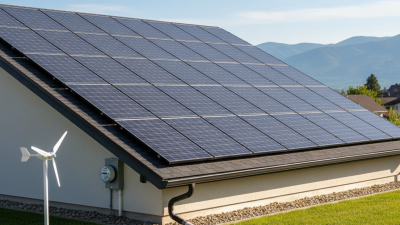
Photovoltaic (PV) solar technology harnesses sunlight to generate electricity. This process starts with solar panels made of silicon cells. When sunlight hits these cells, it excites electrons, creating direct current (DC) electricity. This energy can then power your home or charge batteries.
Understanding how PV solar works is crucial for making informed energy decisions. The conversion of light into electricity is not always perfect. Some energy is lost during the conversion process. Factors like panel orientation and shading also affect efficiency. A well-placed solar panel can produce more energy than one that is poorly positioned.
Solar energy offers many benefits, yet there are challenges. Installation costs can be high, and not every location is suitable. Maintenance is necessary to keep panels clear of debris. Despite these hurdles, the long-term savings and environmental benefits are significant. Exploring these aspects helps potential users weigh the advantages against the limitations, leading to more informed choices about renewable energy.
Comparing PV Solar with Traditional Energy Sources
When comparing PV solar energy with traditional sources, several key differences emerge. Traditional energy, often derived from fossil fuels, relies heavily on finite resources. Extraction and combustion lead to significant greenhouse gas emissions. This process not only contributes to climate change but also poses health risks to communities nearby. In contrast, PV solar energy harnesses sunlight directly. It produces clean energy without air pollutants. The environmental benefits are clear, as solar panels generate power without harming air quality.
The reliability of both systems varies as well. Traditional energy sources can face disruptions due to supply chain issues or regulatory changes. These fluctuations often lead to price volatility and uncertainty. On the other hand, solar energy systems have become increasingly dependable with advancements in technology. Battery storage options allow users to store excess energy for later use. While installation costs can be a barrier, many find long-term savings on utility bills. PV solar energy promotes energy independence and sustainability.
However, challenges remain. Not every location receives sufficient sunlight year-round. Solar efficiency can vary based on geographic and weather conditions. Potential users must weigh the pros and cons carefully. An informed decision should take into account the specific needs and circumstances of each household or business.
Why Choose PV Solar for Your Energy Needs?
This chart compares the average cost of energy per kilowatt-hour (kWh) from PV solar and traditional energy sources over the last decade. As seen, the cost of PV solar has significantly decreased, making it more economical compared to fossil fuels.
Factors to Consider When Choosing PV Solar
When considering PV solar for your energy needs, there are several key factors to evaluate. Energy consumption patterns play a critical role. Analyze your monthly bills to determine usage. This information helps in sizing your solar system correctly. It's essential to know how much power you typically consume.
Location is another significant aspect. The sun's intensity varies by region, impacting energy production. Areas with frequent overcast weather may yield less power. However, advancements in solar technology are making systems more efficient, even in less sunny environments. Assessing roof orientation and shading is also crucial. A clear, south-facing roof often maximizes solar gain.
Financing options can greatly influence your decision. Installation costs can vary widely based on your location and system size. Research available incentives, rebates, or tax credits. Understanding warranties and system longevity provides further assurance. Not all solar systems are created equal, so thorough research is necessary. Each installation project has its unique challenges and requires careful planning.
Why Choose PV Solar for Your Energy Needs? - Factors to Consider When Choosing PV Solar
| Factor |
Description |
Impact on Decision |
| Cost Savings |
Long-term reduction in electricity bills. |
High |
| Environmental Impact |
Reduces carbon footprint and reliance on fossil fuels. |
High |
| Energy Independence |
Less dependence on the grid and energy suppliers. |
Medium |
| Government Incentives |
Tax credits and rebates for solar installation. |
High |
| Maintenance Costs |
Generally low maintenance compared to other systems. |
Low |
| Installation Feasibility |
Suitable roof and local regulations influence installation. |
Medium |
Cost-Effectiveness and Incentives for PV Solar Adoption
When considering energy sources, many people overlook the long-term financial benefits of PV solar.
The initial investment in solar panels can be daunting. However, significant cost savings on electricity bills often occur over time. State and federal incentives can significantly reduce installation costs. These incentives can include tax credits or rebates. Understanding these programs is crucial for making informed decisions.
Adopting PV solar is not just about saving money. It's also about sustainability. As energy prices continue to rise, reliance on solar energy can provide stability. While solar technology continues to improve, there are still challenges. For instance, the efficiency of panels varies by location and installation method. Finding the right solution requires careful research. Consulting with local experts can help clarify options.
Some homeowners may find solar unsuitable due to roof orientation or shading issues. This doesn't mean solar isn't for everyone. Hybrid systems can balance energy needs. The transition to solar may lead to unexpected outcomes. It’s essential to assess personal circumstances thoroughly. Overall, the path to adopting PV solar is complex but rewarding.