How to Choose the Best Electric SUV Car for Your Needs?
Finding the right Electric Suv Car can be a daunting task. With numerous options on the market, it’s essential to identify the features that truly matter to you. An electric SUV car promises eco-friendliness and advanced technology. However, not all electric SUVs are created equal. Some might excel in eco-performance but fall short in comfort or range.
When evaluating electric SUVs, consider your lifestyle. Do you have a long daily commute? Look for a model with an impressive range. Is space a concern? Check for ample cargo capacity and roomy interiors. Safety features are critical. Highly-rated electric SUV cars often include cutting-edge technology to protect passengers.
Research is vital. Read customer reviews and expert opinions. Understand the warranty terms and after-sales service offered. With thoughtful consideration, choosing the best electric SUV car becomes a rewarding journey, blending practicality with your values. Embrace the process, and make an informed decision that aligns with your needs and preferences.
Factors to Consider When Choosing an Electric SUV
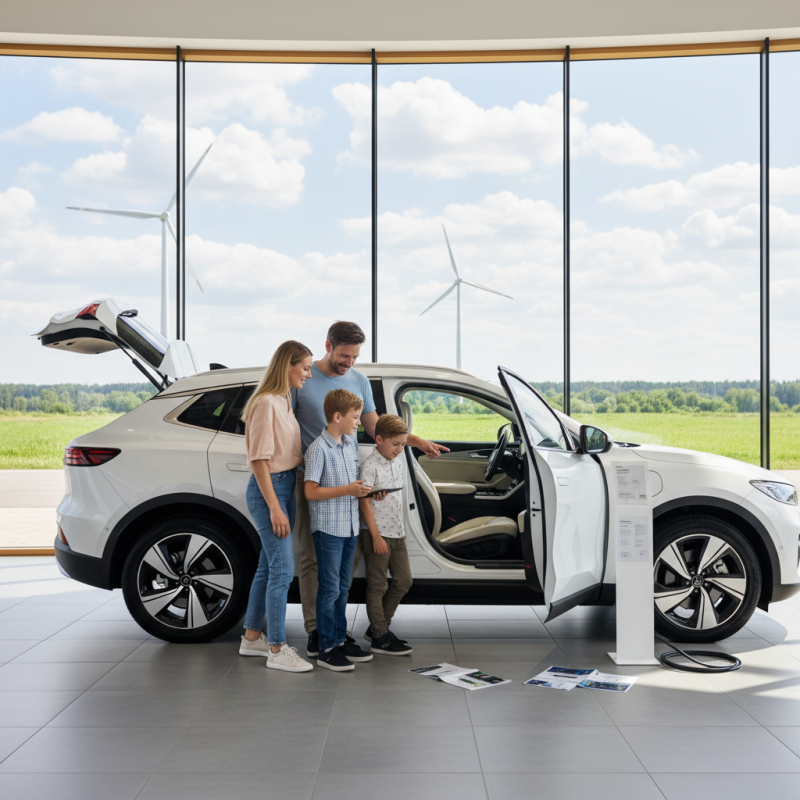
Choosing the right electric SUV can be overwhelming. Many factors come into play. It's essential to identify what you prioritize: range, charging options, or space.
Start with battery range. Do you plan long trips? Look for models with a higher range. A good electric SUV should provide at least 250 miles. However, remember that real-world conditions can reduce this range. Be prepared for various scenarios.
Charging infrastructure is crucial. Check local charging stations. Consider home charging options too. If you can install a charger, that’s a big plus. But what if you can’t access charging regularly? Be realistic about your lifestyle.
Evaluate space and comfort. How many passengers do you typically transport? Assess cargo capacity as well. It’s easy to overlook this aspect. Test driving helps here; ensure you can handle the size comfortably.
Tip: Create a shortlist of models fitting your needs. Test them in different conditions. This hands-on experience is invaluable. Be mindful of your choices, and don't rush the process.
Range and Charging Options: Determining Your Needs
When choosing an electric SUV, understanding your range and charging options is crucial. Different users have varying needs. For some, a long range is essential for weekend getaways. Others may drive mainly in urban areas, making shorter ranges sufficient.
Consider how often you travel long distances. If your daily commute is around 30 miles, a vehicle with a range of over 200 miles may be more than adequate. However, the charging infrastructure also matters. Research local charging stations. Do they align with your driving habits? Are fast charging options available?
Here are some tips:
- Assess your daily driving distance and add extra for flexibility.
- Look into home charging options. Installing a charger can save time.
- Check if there are incentives for using public charging stations.
Reflect on your unique lifestyle.
Families might need more space and comfort.
Single drivers might prioritize efficiency. Be honest with yourself about what you value in an electric SUV. Your choice should not only fit your current needs, but also adapt to future ones.
Performance Specifications: Power and Handling
When selecting an electric SUV, performance specifications are crucial. Look closely at power delivery and handling characteristics. Electric SUVs often boast instant torque, resulting in quick acceleration. A model with over 300 horsepower can provide a thrilling driving experience.
Consider the suspension system and steering response. A well-tuned suspension can enhance comfort and performance. Test drives can reveal how a vehicle feels on various terrains. Some SUVs may handle curves better than others, making them more fun to drive.
Tips: Pay attention to weight distribution. An evenly balanced vehicle can improve stability. Also, assess the regenerative braking feature. It can affect how the SUV feels when slowing down. Always remember, what works for one driver may not suit another. Your needs should guide your choice. Driving habits and conditions play a significant role in performance satisfaction.
How to Choose the Best Electric SUV Car for Your Needs? - Performance Specifications: Power and Handling
| Model | Power (hp) | Torque (lb-ft) | 0-60 mph (seconds) | Top Speed (mph) | Range (miles) |
| Electric SUV A | 265 | 310 | 5.5 | 120 | 250 |
| Electric SUV B | 300 | 400 | 4.8 | 130 | 300 |
| Electric SUV C | 250 | 300 | 6.0 | 110 | 220 |
| Electric SUV D | 290 | 350 | 5.0 | 125 | 280 |
Interior Space and Comfort Features to Evaluate
When evaluating electric SUVs, interior space and comfort are critical factors. A spacious cabin can make long trips enjoyable. Consider the legroom and headroom. Check if the seating is adjustable or offers lumbar support. These features enhance comfort, especially on extended drives.
Storage capacity is another key element. Look for ample cargo space for your lifestyle. Consider how many passengers you typically carry. A sliding rear seat can provide more room for luggage when needed. Small compartments for devices and drinks are also helpful. They keep the cabin organized.
Think about the technology integrated into the interior. Features such as user-friendly infotainment systems and high-quality sound can elevate your experience. Pay attention to the materials used in the dashboard and seating. Soft-touch surfaces create a more inviting atmosphere. Ultimately, your comfort should align with your preferences and practical needs. Choose what feels right for you.
Interior Space and Comfort Features of Popular Electric SUVs
Safety Ratings and Technology in Electric SUVs
When selecting an electric SUV, examining safety ratings is crucial. According to the Insurance Institute for Highway Safety (IIHS), many electric SUVs perform well in crash tests. However, it's essential to verify individual models. Understanding features like lane assist and automatic emergency braking can enhance safety. In 2021, IIHS found that 43% of electric SUVs included advanced safety technologies, pointing to industry trends favoring innovative solutions.
Technology plays a significant role in today’s electric vehicles. A report by McKinsey noted that 75% of consumers prioritize tech features when purchasing. Features like adaptive cruise control and infotainment systems are now standard in many models. However, the integration of technology isn't always seamless. Some users report frustration with software updates and system glitches. While electric SUVs often excel in safety metrics, technology usability varies across models.
Reviewing crash test ratings and tech capabilities can be overwhelming. The National Highway Traffic Safety Administration (NHTSA) provides vital information but doesn’t cover every nuance. For instance, evaluating the reliability of sensor systems can be challenging. Future improvements are being researched, yet some issues remain unresolved. Potential buyers should engage in thorough research, ensuring that the electric SUV aligns with their needs while providing necessary safety and technology features.
