Why Choose a Lithium Battery Car for Your Next Vehicle?
As the automotive industry moves towards sustainable solutions, the popularity of Lithium Battery Cars is on the rise. Renowned expert Dr. Emma Reid, a leader in electric vehicle research, states, "Lithium Battery Cars are the forefront of clean energy technology." This statement highlights the shift towards eco-friendly vehicles that aim to reduce our carbon footprint.
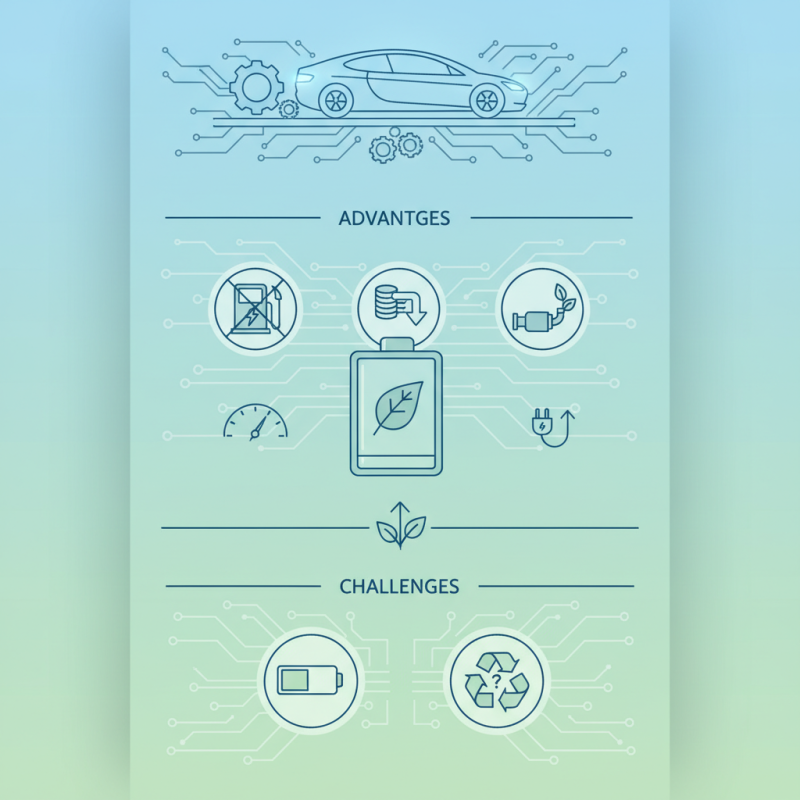
Choosing a Lithium Battery Car brings several advantages. They offer significant energy efficiency, lower operational costs, and fewer emissions compared to traditional gasoline vehicles. Features such as fast charging and long-range capabilities make them increasingly convenient for everyday use. Yet, it's essential to consider the challenges too.
Not everyone is fully aware of the limitations, such as battery life and recycling concerns. Some people might overlook these issues in their enthusiasm for greener options. Nonetheless, as technology advances, these challenges may become less relevant. The commitment to embracing a Lithium Battery Car can lead to a positive environmental impact while offering a more modern driving experience.
Benefits of Lithium Battery Technology in Electric Vehicles
Lithium battery technology has revolutionized electric vehicles (EVs) in recent years. These batteries provide a much higher energy density compared to traditional lead-acid batteries. A typical lithium battery can deliver around 230-250 Wh/kg, while lead-acid batteries generally offer only 30-50 Wh/kg. This means EVs equipped with lithium-ion batteries can travel further on a single charge, with some models exceeding 300 miles.
Moreover, lithium batteries have a longer lifespan. They can last for over 1,500 charge cycles, compared to 500 cycles for lead-acid batteries. This longevity contributes to lower maintenance costs over the vehicle's lifetime. The initial investment may be higher, but the long-term savings can be significant. Additionally, lithium batteries charge faster; many can reach 80% charge in around 30 minutes at high-power stations.
On the downside, lithium batteries do have some drawbacks. They are more susceptible to extreme temperatures and can degrade more quickly in hot conditions. This raises questions about battery performance in certain climates. Additionally, the environmental impact of lithium extraction and battery disposal has raised concerns in the industry. Finding sustainable solutions is crucial for the future of EV technology.
The Environmental Impact of Lithium Battery Cars Compared to Gasoline Cars
Lithium battery cars have become a popular choice due to their lower environmental impact compared to gasoline vehicles. According to the International Energy Agency, electric vehicles produce about 60% fewer greenhouse gas emissions over their lifetime than gasoline cars. This significant reduction is primarily due to zero tailpipe emissions. Additionally, lithium battery technology allows for cleaner energy storage. However, battery production can have environmental drawbacks. Lithium mining can lead to water scarcity and soil degradation.
Another study by the Union of Concerned Scientists highlights that even when considering the carbon footprint from electricity production, electric cars are cleaner. Powering a lithium battery vehicle often comes from renewable sources. In the U.S., over 30% of electricity was generated from renewable sources in 2020. Still, regions heavily reliant on coal may see less benefit.
Despite these advantages, recycling remains a challenge. Many batteries are not being recycled properly. This can lead to waste and pollution. Industry experts stress the need for advancements in battery recycling technologies. Balancing the benefits and challenges is essential for a sustainable future.
Why Choose a Lithium Battery Car for Your Next Vehicle? - The Environmental Impact of Lithium Battery Cars Compared to Gasoline Cars
| Attribute | Lithium Battery Cars | Gasoline Cars |
| Average CO2 Emissions (g/km) | 0 | 120-180 |
| Maintenance Costs (Annual) | $300 | $800 |
| Energy Efficiency (MPGe) | 100-150 | 20-30 |
| Renewable Energy Compatibility | Excellent | Limited |
| Recyclability | High | Low |
| Noise Pollution | Low | High |
Cost Efficiency: Long-Term Savings of Lithium Battery Vehicles
Cost efficiency is a major reason to choose a lithium battery car. These vehicles can lead to significant savings over time. The initial cost may be higher, but savings add up quickly. Electricity is often cheaper than gasoline. Charging at home can cut daily costs.
Maintenance is another advantage. Lithium battery cars require fewer repairs. There are no oil changes, and brake wear is reduced. Even tire wear tends to be less. This means fewer trips to the mechanic. However, battery replacement can be expensive after several years. That’s a crucial consideration when calculating total costs.
Fueling these cars is more convenient too. Many homeowners install chargers. This means you can refuel while sleeping. However, access to charging stations on long trips can be inconsistent. Planning ahead is essential. Balancing savings with practicality is vital. Being aware of limitations can lead to better decisions.
Performance Comparisons: Range and Acceleration of Lithium Cars
Lithium battery cars are rising in popularity, mainly due to their impressive performance. Electric vehicles (EVs) powered by lithium batteries offer more range compared to traditional gasoline cars. Studies show that many new lithium cars can reach over over 300 miles on a single charge. This makes long-distance travel more feasible. However, charging infrastructure needs improvement in many areas, causing some hesitation among potential buyers.
Acceleration is another standout feature of lithium cars. Most EVs can go from 0 to 60 mph in under 5 seconds. This kind of performance puts many gas-powered cars to shame. Reports indicate that torque delivery in electric motors is instant, which significantly enhances driving experience. But, the thrill of speed does come at a cost. Some consumers worry about battery degradation over time. It’s vital to reflect on battery longevity and efficiency when considering a purchase.
Despite the advantages, there are challenges. Battery production can have environmental impacts. Sourcing materials like lithium is sometimes controversial. It’s essential to weigh ecological concerns with performance benefits. While lithium battery cars lead in various aspects, continued development is necessary for a sustainable future.
Future Trends: Innovations in Lithium Battery Technology for Vehicles
The future of lithium battery technology in vehicles is bright. Recent innovations promise to enhance efficiency and performance. For instance, new materials are being explored to increase energy density. This could lead to longer driving ranges. Imagine a car that can travel over 500 miles on a single charge.
Moreover, fast charging capabilities are advancing. Some models will reach full charge within 30 minutes. This is a game changer for busy urban lifestyles. However, battery lifespan remains a crucial concern. Most batteries degrade over time, impacting performance. Addressing this issue requires ongoing research.
Additionally, sustainable practices in battery production are developing. Manufacturers are exploring ethical sourcing for raw materials. This could reduce environmental impact over time. Yet, it's still an ongoing challenge. The entire industry must prioritize transparency and sustainability. As lithium technology evolves, consumers will need to stay informed and engaged.
