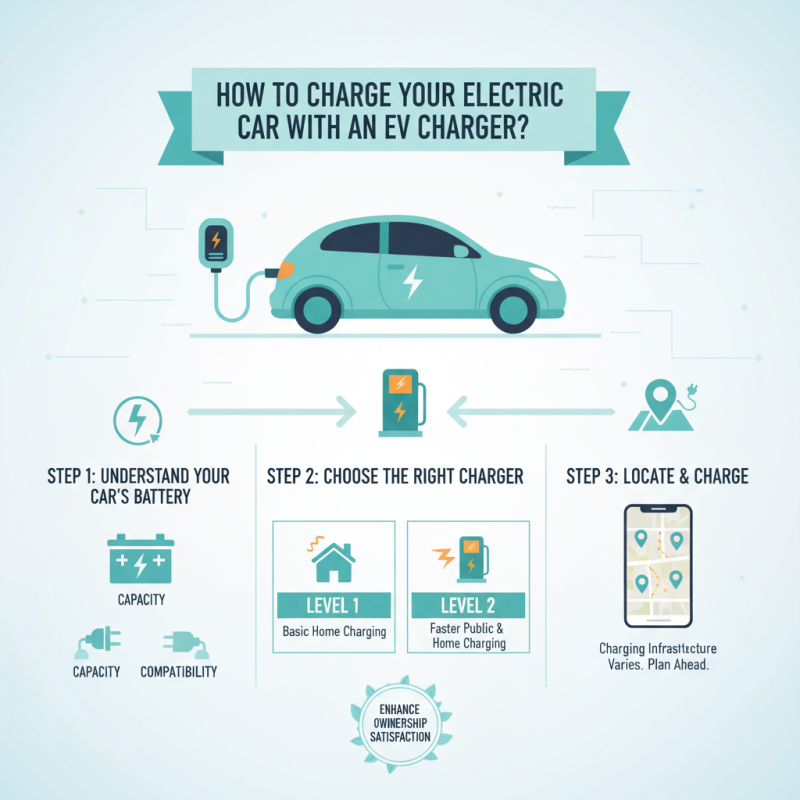
How to Charge Your Electric Car with an EV Charger?
Charging your electric car is crucial for daily use. With the rise of the Ev Charger Car industry, understanding the charging process becomes essential. Dr. Jane Thompson, an expert in electric vehicle technology, once stated, “Charging should be an effortless part of owning an electric car.”
When using an EV charger, consider your car’s battery capacity. Not all chargers deliver the same power. Some are faster than others, and knowing the right one is vital. The different types of chargers can be overwhelming. Level 1 chargers are basic, while Level 2 offers faster charging options.
It’s important to note that charging infrastructure varies. In some areas, finding a charger can be challenging. This can lead to stress and unplanned downtime. Reflecting on these details can help improve the overall experience of using an EV charger. Ultimately, having a solid understanding of charging options can enhance ownership satisfaction.
Understanding EV Chargers: Types and Features
Electric vehicle (EV) chargers come in several types, and understanding them is crucial for efficient charging. Level 1 chargers provide the slowest charging speed. They use a standard household outlet. These chargers are ideal for overnight charging. However, they may not be sufficient for daily use, especially for frequent drivers. Research indicates that around 80% of EV owners prefer faster options.
Level 2 chargers are more common in public charging stations. They deliver a charging speed up to five times faster than Level 1. This makes them suitable for charging while you shop or work. According to a recent report, more than 50% of public charging stations are now Level 2. Yet, the installation cost can be a barrier for some users.
DC fast chargers are the most advanced option. They can charge an EV to 80% in about 30 minutes, providing maximum convenience. However, not all EVs support this type of charger. It’s essential to check compatibility before planning a trip. While these chargers are becoming more widespread, their availability remains uneven in certain areas. Charging infrastructure still has room for improvement.
Preparing Your Electric Car for Charging
Preparing your electric car for charging is crucial for a smooth experience. Before you plug in, ensure your vehicle is parked properly. The charging port should be easily accessible. Check the battery level on your dashboard. If it’s low, it’s time to charge.
Tips: Always keep your charging cable in your car. You never know when you might need it. Also, clear any debris around the charging area. Small obstacles can sometimes create problems.
Ensure the charging port is clean. Dirt or dust can hinder the connection. If necessary, use a soft cloth to wipe it down. Remember to securely close the charging port once charging is complete. This helps prevent moisture accumulation.
Occasionally, check your charger for wear and tear. Exposed wires or damaged connectors can lead to unsafe situations. If you find anything amiss, it’s better to replace it before charging. This small step can save you from hassle later.
Step-by-Step Guide to Using an EV Charger
Charging your electric car can seem daunting at first. However, using an EV charger is straightforward with a few simple steps. Start by locating a nearby charging station. These can be found using apps or online maps. Once you arrive, park your vehicle close to the charger, ensuring it's safe.
Next, take a moment to read any instructions on the charger itself. Many chargers have touchscreens that guide you through the process. You will typically need to plug in the charging cable to your car. Make sure it's securely connected. Sometimes, you might struggle to find the right plug type for your car. It's essential to check compatibility beforehand.
While charging, monitor the progress on the screen. Charging times can vary widely. If waiting becomes boring or frustrating, try turning your energy towards connecting with others or planning your next trip. Remember, it’s okay to feel a bit impatient while charging; often, the wait can lead to unexpected conversations or discoveries. Charging your electric car is not just a routine; it’s a chance to pause and reflect.
Safety Tips When Charging Your Electric Vehicle
When charging your electric vehicle, safety should always come first. According to the Electric Power Research Institute, nearly 50% of EV charging occurs at home. This makes it essential to ensure your charger and electrical systems are suitable for your vehicle's requirements. Regular inspection of the charging cable for any damage is crucial. Damaged cables can lead to dangerous situations, including electrical fires.
It’s also important to monitor charging times. Overcharging can reduce battery life, leading to expensive replacements sooner than expected. A study by the International Council on Clean Transportation found that taking care of the battery can extend its life by up to 30%. Remember, charging during off-peak hours can save money and minimize the risk of overheating.
Do not ignore the area around your charging station. Keep it clear of debris and flammable materials. According to a report by the National Fire Protection Association, improper installations account for a significant percentage of fire incidents related to EVs. Always follow local codes when setting up your EV charger. A little caution now can prevent big problems later.
How to Charge Your Electric Car with an EV Charger? - Safety Tips When Charging Your Electric Vehicle
| Charging Method | Charging Time | Safety Tips |
| Level 1 Charging (Standard Outlet) | 8-12 hours | Ensure the outlet is grounded and in good condition. |
| Level 2 Charging (Public Charge Stations) | 4-8 hours | Check for proper ventilation and avoid wet conditions. |
| DC Fast Charging | 30 minutes - 1 hour | Monitor charging to prevent overheating; use only compatible connectors. |
| Home Charging Station | 4-6 hours | Install by a certified electrician; avoid using extension cords. |
Troubleshooting Common Charging Issues with EV Chargers
Charging your electric vehicle (EV) can sometimes present difficulties. One common issue is the connection between the charger and the vehicle. Reports indicate that around 15% of EV drivers experience problems associated with faulty connections. Ensuring a clean and secure fit is essential. Dirty connectors can lead to poor conductivity, resulting in slow or interrupted charging. Regularly inspect and clean plugs to avoid this hassle.
Another significant concern is the local power supply. Research shows that about 10% of EV owners face inconsistent energy supply. This can stem from outdated electrical systems or inadequate home infrastructure. Installing a dedicated circuit may enhance performance. If charging speeds are lower than expected, it’s worth evaluating your home’s electrical capacity.
Lastly, software issues can emerge within the EV's onboard systems. Around 8% of EVs report difficulties linked to outdated firmware. If your vehicle displays an error message, it may require a software update. Regularly monitor for updates and install them promptly to ensure optimal charging performance. Addressing these common issues with awareness can enhance your EV charging experience significantly.