2026 Best Vehicle Power Inverter for Your Needs?
When it comes to road trips or outdoor adventures, a reliable vehicle power inverter is essential. These devices convert your car's DC power into AC power, enabling you to use various electronics. Whether you need to charge your laptop or power small appliances, having the right inverter can enhance your experience.
However, selecting the best vehicle power inverter isn't always straightforward. You may find countless options on the market, but not all are created equal. Each inverter comes with different wattage ratings and features that cater to specific needs. Some may struggle with higher power demands, while others could be bulkier than necessary.
It's important to consider your personal requirements. Will you be using it for occasional phone charging or for more demanding devices? Understanding your needs will help you make a well-informed choice. The quest for the perfect vehicle power inverter may involve some trial and error, but it is worth pursuing for a seamless travel experience.
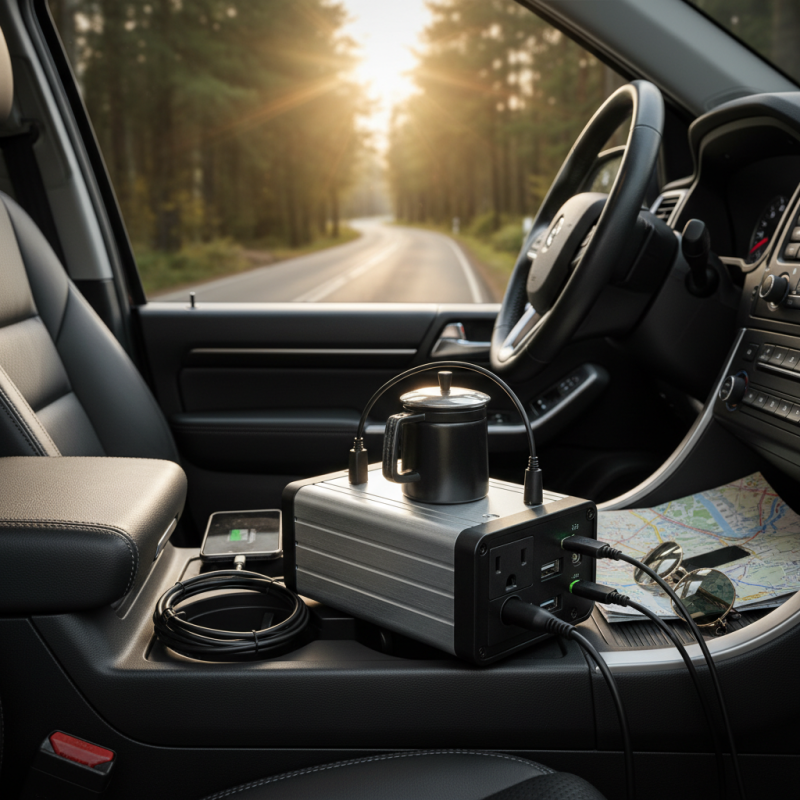
Overview of Vehicle Power Inverters and Their Importance
Vehicle power inverters play a crucial role in modern transportation. They convert DC power from a vehicle battery into AC power. This feature allows drivers to use household appliances on the go. According to industry reports, approximately 70% of travelers use power inverters for camping, road trips, or emergencies. The convenience of having power at any moment is significant.
Choosing the right inverter is essential. Not all inverters are created equal. Some might not support the wattage needed for certain devices. Users should check their appliances' power requirements carefully. An inverter with insufficient wattage can cause device failure. It's important to note that portable inverters are often limited in power output.
**Tip:** Always calculate the total wattage of devices you plan to use. This measurement helps you select the right inverter.
While many inverters promise high efficiency, the actual usage can vary significantly. Some devices may not run as expected. Users often overlook the heat generated by inverters. Excessive heat can degrade performance or damage the inverter. Ensure your inverter has adequate cooling features.
**Tip:** Place your inverter in a well-ventilated area. This simple step can extend its lifespan significantly.
Vehicle Power Inverter Output Comparison
This chart illustrates the maximum output power (in watts) of various vehicle power inverters. When selecting an inverter, consider the wattage requirements of your devices. Higher wattage inverters can power more devices or those requiring more power.
Types of Vehicle Power Inverters Available in 2026
When selecting a vehicle power inverter in 2026, understanding the types available is crucial. The market offers various options tailored to different needs. One common type is the pure sine wave inverter, ideal for sensitive electronics. This inverter produces clean power, mimicking household outlets. However, it can be pricier than other options. Many users find this cost worth it for safety and performance.
Another popular choice is the modified sine wave inverter. This type is more affordable and suitable for many applications, like charging tools and appliances. Yet, it may cause issues with sensitive devices, possibly leading to strange noises or overheating. Users should carefully consider their power needs before deciding.
There are also portable inverters, which are compact and easy to use. They can be taken anywhere, making them great for camping or road trips. However, their power output typically limits their use with larger devices. It’s important to reflect on how you'll use the inverter. This will help you make informed choices and avoid potential frustrations down the line.
2026 Best Vehicle Power Inverter for Your Needs
| Inverter Type | Output Power (Watts) | Peak Power (Watts) | Number of Outlets | Portability | Price Range |
| Modified Sine Wave | 300W | 600W | 2 | Lightweight | $30 - $50 |
| Pure Sine Wave | 1000W | 2000W | 3 | Compact | $150 - $250 |
| Ultra-Portable Inverter | 500W | 1000W | 2 | Very Lightweight | $80 - $120 |
| Heavy-Duty Inverter | 2000W | 4000W | 4 | Bulky | $300 - $500 |
Key Features to Consider When Choosing a Power Inverter
When selecting a vehicle power inverter, several key features deserve attention. First, consider the inverter's wattage. Ensure it meets your device's power needs. Calculate the total watts required by all devices you plan to use. This prevents potential overload and ensures functionality.
Another important factor is the type of inverter. There are modified sine wave and pure sine wave inverters. Modified sine wave inverters are cheaper, but they may not power all devices efficiently. For sensitive electronics, pure sine wave inverters are a safer choice. They offer clean and stable power.
Tips: Always check the inverter's input and output voltage. It should match your vehicle's setup. Also, look for built-in safety features like short circuit protection. Those features can save you from damage. Remember to examine the inverter's size. It should fit well in your vehicle without taking up too much space.
Lastly, consider the inverter's cooling system. Some models run hot, especially under heavy load. A good cooling system extends the inverter's lifespan. Pay attention to user reviews for insights. They may highlight issues you hadn’t considered.
Top Brands and Models of Vehicle Power Inverters for 2026
As vehicle power inverters become more essential, many consumers seek the best options for 2026. Choosing the right inverter involves understanding wattage needs, efficiency, and portability. Reports indicate that around 35% of recreational vehicle owners use inverters, highlighting their importance on the road.
When exploring top brands and models, consider factors such as output capacity and reliability ratings. Studies show that inverters with at least 1500W capacity are preferred by users. Many models also offer various socket types. This versatility caters to different electronic devices.
However, not all inverters are created equal. Some might overheat during extended use. Others may lack user-friendly interfaces. It's critical to read reviews and compare specifications. Data suggests that around 45% of users experience issues with compatibility. In the end, thorough research ensures the best choice for personal energy needs.
Installation and Usage Tips for Vehicle Power Inverters
Installing a vehicle power inverter can be straightforward, but there are some key tips to keep in mind. Begin by choosing the right location. This device needs proper ventilation. Avoid placing it in a confined space. An ideal spot is often near the battery yet out of direct sunlight. Keep cables away from moving parts to prevent damage. Use high-quality connectors to ensure stable power flow.
When you’re ready to use the inverter, check your device specifications. Confirm that your inverter can handle the wattage needed. A common mistake is overloading the inverter, which can lead to failure. Start by plugging in a small device, then gradually move to larger equipment. Always monitor performance during use. If the inverter overheats, disconnect it immediately. Additionally, periodic maintenance helps prolong its life. Dust and debris can build up and impair functionality.
Think about safety as well. Ensure that your vehicle is off while installing the inverter. This prevents any electrical mishaps. Double-check all connections before powering up. Remember, a vehicle power inverter is a great tool, but it requires careful handling. Learning from mistakes is part of the journey. Always be aware of its limitations and respect them. Only use the inverter for its intended purpose to avoid potential issues.
